
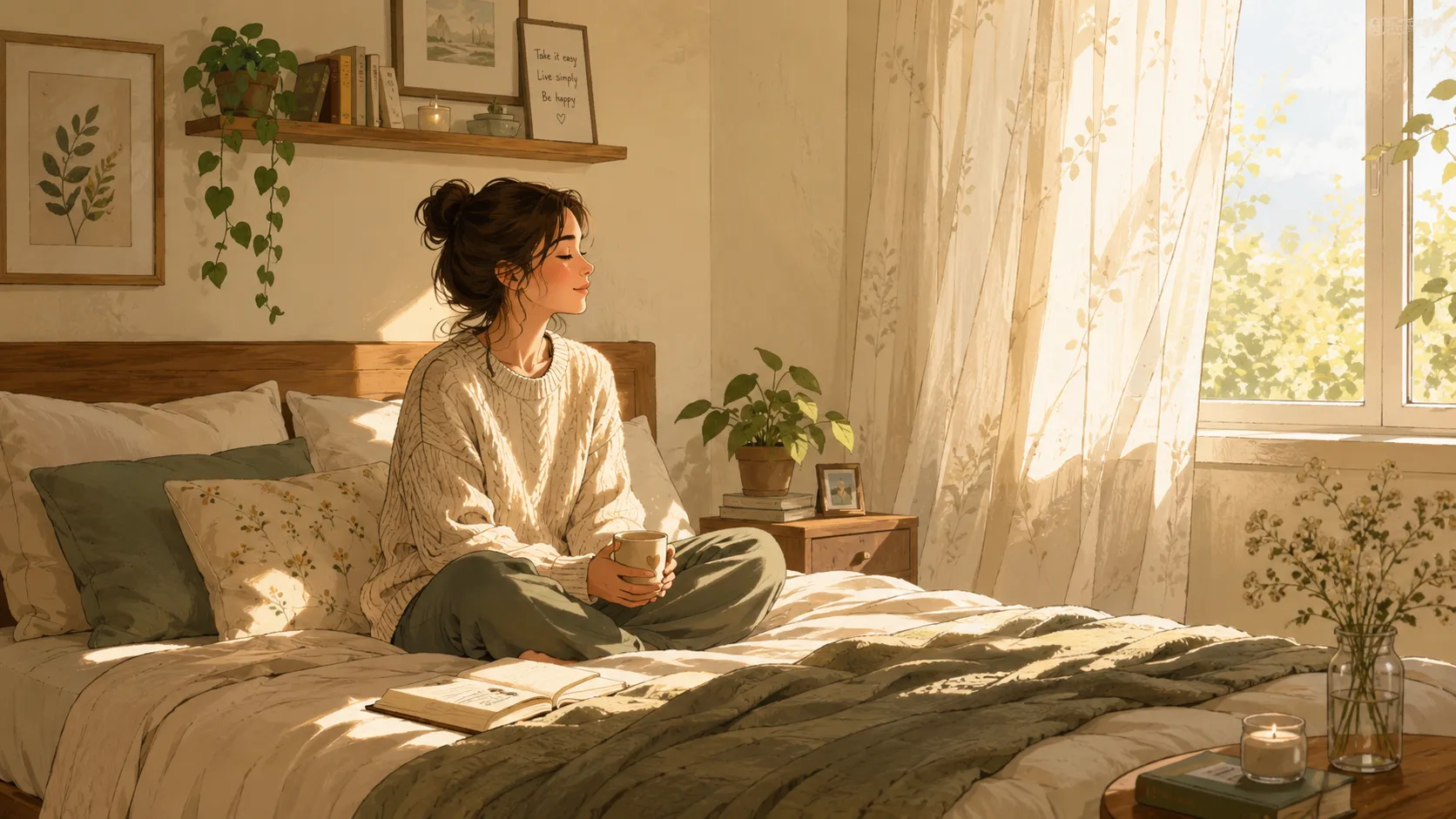
A cozy bedroom is more than just a stylish space. It is the one room in your home where your mind slows down, your shoulders relax, and your body finally gets permission to rest. After long workdays, endless scrolling, and the constant noise of modern life, people are now transforming bedrooms into calming sanctuaries instead of purely decorative spaces. Current interior design trends in 2026 strongly support this shift toward comfort-focused design, with warm earthy tones, layered textures, soft lighting, and clutter-free layouts dominating bedroom makeovers.
Why a Cozy Bedroom Matters More Than Ever
People used to think bedrooms only needed a bed and maybe a dresser. Today, the bedroom has evolved into something much deeper. It has become a retreat from stress, screens, traffic, and nonstop notifications. Designers in 2026 are calling bedrooms “sanctuary spaces” because homeowners increasingly want rooms that support emotional wellness and better sleep instead of simply looking good in photos.
The way your bedroom feels directly impacts your mood. A cold, cluttered, harshly lit room can make you feel restless even before bedtime. On the other hand, soft textures, calming colors, and thoughtful lighting send signals to your brain that it is safe to relax. Think of your bedroom like a warm cup of tea after a stressful day. It should slow you down naturally without effort.
Sleep experts and interior designers now agree that environmental details matter more than most people realize. Lighting temperature, fabric textures, room organization, and even furniture layout can influence sleep quality and stress levels. Research-backed bedroom trends in 2026 focus heavily on reducing overstimulation through softer colors, layered lighting, and minimal visual clutter.
A cozy bedroom is not about spending thousands of dollars. Some of the most comforting rooms rely on simple adjustments. Rearranging furniture, adding a textured throw blanket, changing bulb colors, or using warmer paint shades can completely transform the atmosphere. Comfort comes from intentional design choices rather than expensive decoration.
Choosing the Right Colors for a Cozy Bedroom
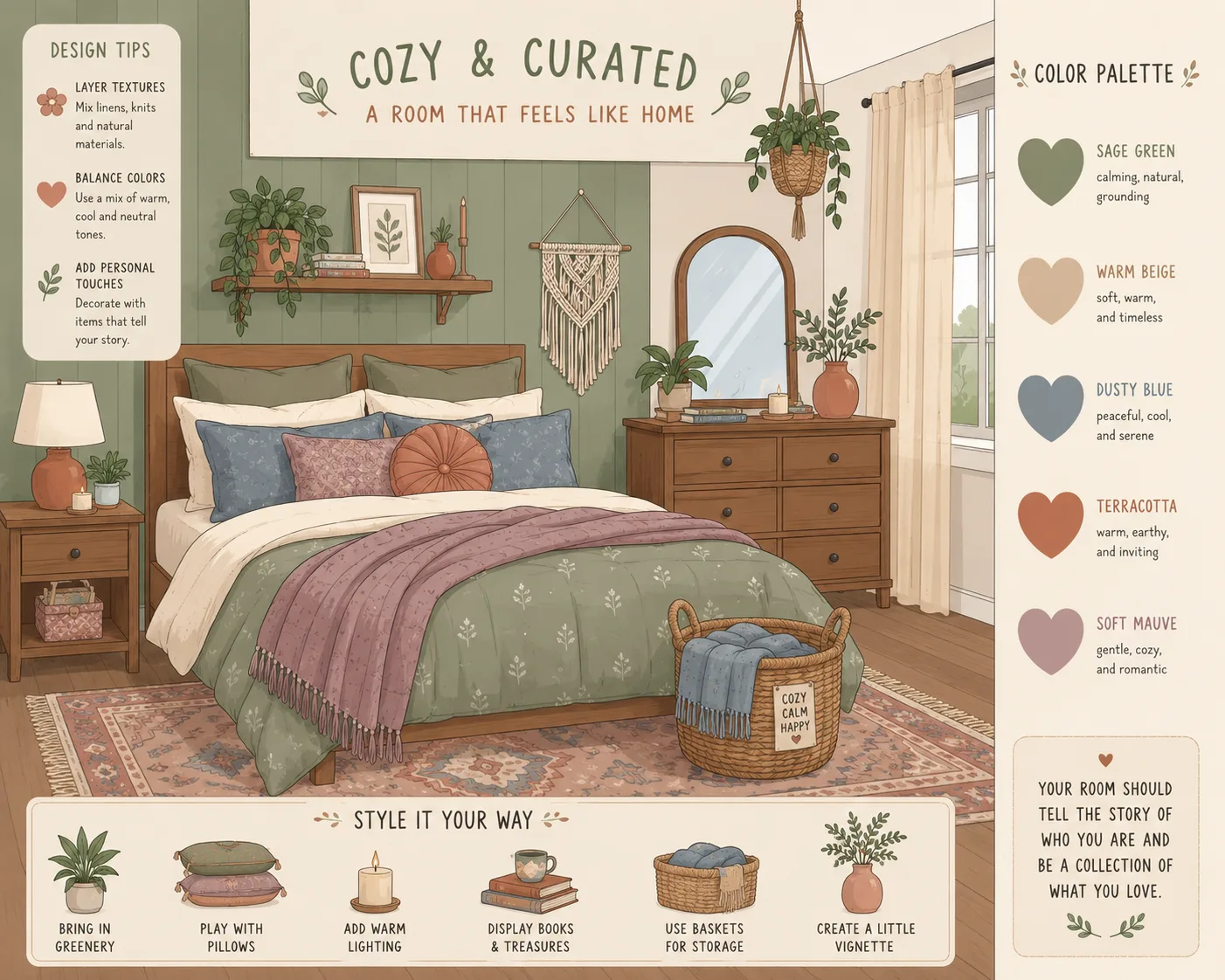
Color is one of the first things people notice when entering a room. It silently shapes emotion without announcing itself. Walk into a bedroom painted bright red and you might feel energized or tense. Step into a room filled with warm beige, sage green, or muted blue, and suddenly your breathing slows. That is the psychological power of color.
Current bedroom trends show a major movement away from icy grays and stark white spaces. Warm earthy shades have replaced sterile minimalism because people want homes that feel emotionally grounding and comforting. Designers are increasingly recommending olive greens, warm taupes, clay tones, dusty pinks, deep blues, and soft terracottas for relaxing bedrooms.
One popular design technique in 2026 is called “tonal layering.” Instead of using sharp contrasts, homeowners use multiple shades of the same color family throughout the room. Imagine cream bedding against warm beige walls with caramel furniture accents. The result feels seamless and soothing instead of visually chaotic.
Here is a simple comparison table for cozy bedroom color choices:
| Color | Mood Created | Best Paired With |
|---|---|---|
| Sage Green | Calm and natural | Wood textures, linen |
| Warm Beige | Soft and welcoming | Cream fabrics, gold accents |
| Dusty Blue | Peaceful and airy | White bedding, dark wood |
| Terracotta | Warm and grounding | Woven textures, plants |
| Soft Mauve | Romantic and comforting | Velvet, layered lighting |
Accent colors can also make a bedroom feel more personal without overwhelming the space. A mustard throw pillow, deep burgundy blanket, or olive-green curtains can add richness and depth. Designers in 2026 are embracing nostalgic warm tones like chocolate brown paired with muted yellow because they create a cozy yet modern feeling.
The key is balance. Your bedroom should not feel like a rainbow exploded inside it. Cozy spaces usually rely on restrained palettes with small intentional accents that gently catch the eye instead of demanding attention.
Using Textures to Create Warmth and Depth
If color creates emotion, texture creates physical comfort. Texture is what makes you want to curl up in bed with a book while rain taps against the window. Without texture, even the prettiest bedroom can feel flat and lifeless.
Layering textures has become one of the biggest bedroom trends because it instantly creates depth and warmth. Designers now combine washed linen, chunky knits, velvet cushions, boucle chairs, soft cotton bedding, and woven rugs to create spaces that feel visually rich and emotionally comforting.
The bed itself should become the centerpiece of coziness. Instead of a single flat comforter, layer your bedding thoughtfully. Use crisp sheets, a soft duvet, textured blankets, and decorative pillows in varying fabrics. This layering effect creates the same luxurious comfort people love in boutique hotels. It also adds dimension without requiring expensive renovations.
Area rugs are another secret weapon for cozy bedrooms. Hard floors may look sleek, but stepping onto a cold surface first thing in the morning feels harsh. A plush rug beside the bed instantly softens the room both visually and physically. Curtains also matter more than people realize. Heavy blackout curtains help regulate temperature and improve sleep quality while adding softness to the room’s architecture.
Here are some texture combinations that work beautifully together:
- Linen + wood + wool
- Velvet + brass + cotton
- Boucle + oak + woven baskets
- Faux fur + matte black + knit fabrics
The goal is not perfection. Cozy rooms actually feel better when they look slightly lived in. A casually draped throw blanket or imperfectly stacked pillows create warmth because they feel human. Bedrooms should invite relaxation, not look like untouched furniture showrooms.
Lighting Techniques That Transform the Mood
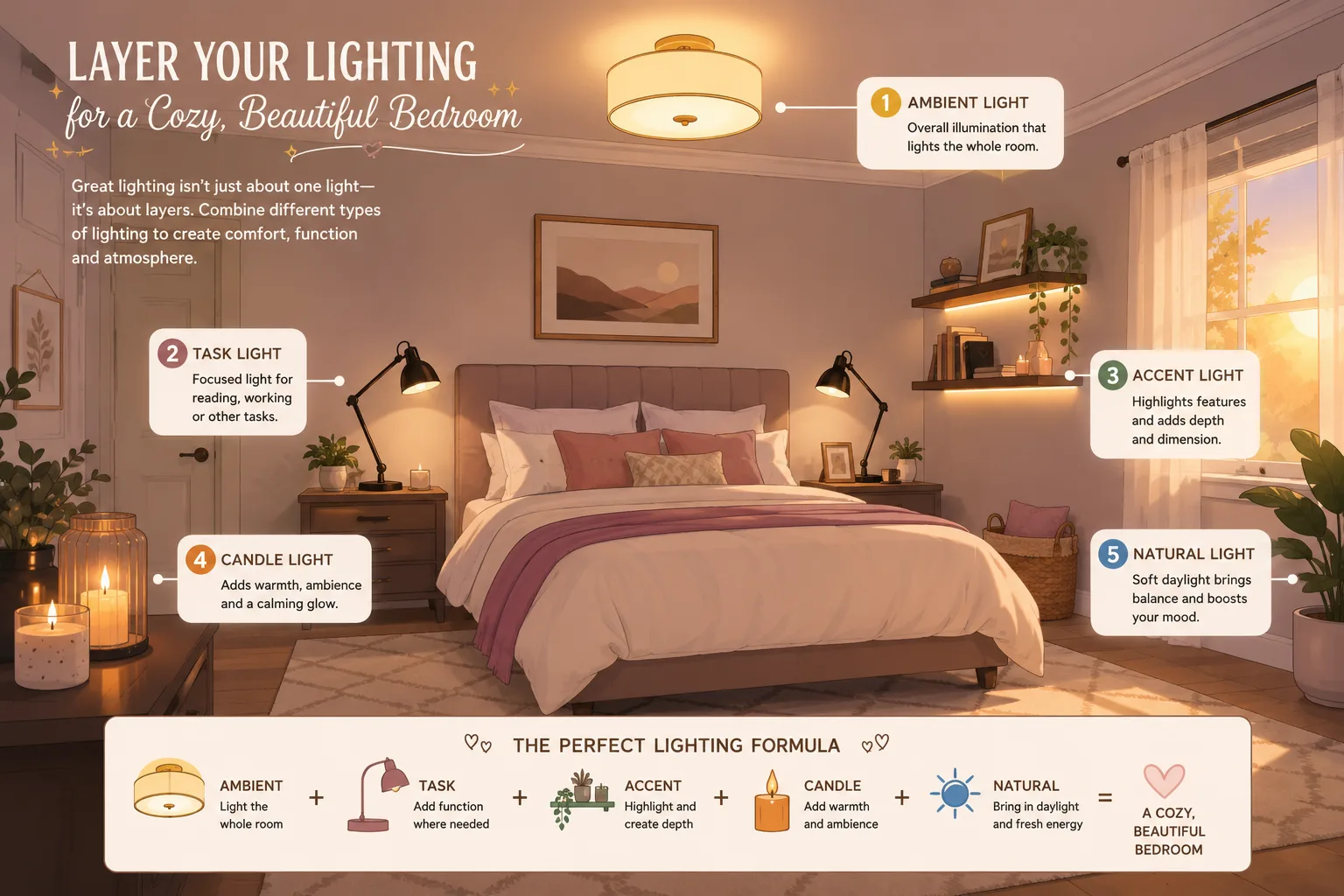
Lighting is probably the most underestimated part of bedroom design. You can have beautiful furniture and expensive bedding, but harsh overhead lighting can instantly destroy the cozy atmosphere. Light affects mood, sleep hormones, stress levels, and even emotional comfort.
Experts now strongly recommend layered lighting instead of relying on a single ceiling fixture. A layered lighting setup includes three main types:
| Lighting Type | Purpose | Example |
|---|---|---|
| Ambient Lighting | Overall room brightness | Ceiling light |
| Task Lighting | Reading or focused tasks | Bedside lamps |
| Accent Lighting | Mood and atmosphere | LED strips, candles |
Warm lighting is essential for coziness. Cool white bulbs may work in offices or kitchens, but bedrooms benefit from warm bulbs around 2700K because they create a softer, more relaxing glow. Designers specifically warn against overly bright blue-toned lighting before bedtime because it can interfere with melatonin production and make sleep more difficult.
Table lamps are especially powerful in cozy bedroom design because they create pools of gentle light rather than flooding the room with brightness. Wall sconces, fairy lights, under-bed LED strips, and dimmable fixtures can also dramatically improve ambiance.
Natural light matters too. During the day, sunlight makes a room feel open and emotionally uplifting. Heavy dark curtains should ideally be paired with lighter sheers so you can control brightness depending on the time of day. Designers in 2026 are increasingly choosing layered window treatments that balance privacy, warmth, and natural illumination.
Candles remain timeless for a reason. Their flickering glow creates instant intimacy and comfort. Even battery-operated flameless candles can create a peaceful atmosphere without safety concerns.
Recommended Reading: How Long Does a House Foundation Last in Different Conditions
Furniture Placement and Space Optimization
A cozy bedroom does not necessarily mean a large bedroom. Some of the most inviting spaces are actually smaller rooms designed thoughtfully. Furniture placement plays a huge role in how calm or chaotic a bedroom feels.
When furniture blocks movement or overcrowds the room, your brain subconsciously interprets the environment as stressful. That is why designers increasingly focus on flow and breathing room instead of filling every corner with furniture.
The bed should almost always be the visual anchor of the room. Position it where it feels balanced and accessible from both sides whenever possible. Avoid pushing too much furniture against walls just to create extra floor space because it can sometimes make rooms feel awkwardly empty in the center.
For smaller bedrooms, multifunctional furniture is incredibly valuable. Storage beds, floating nightstands, under-bed containers, and slim dressers help maximize space without creating clutter. Mirrors can also make compact bedrooms feel brighter and more open by reflecting natural light.
Here are some effective space-saving ideas:
- Use vertical storage instead of bulky cabinets
- Choose furniture with hidden compartments
- Install wall-mounted reading lamps
- Keep surfaces mostly clutter-free
- Use baskets for blankets and miscellaneous items
Decluttering is emotionally powerful. A messy bedroom quietly drains mental energy even if you think you are ignoring it. Current cozy bedroom trends heavily emphasize “soft minimalism,” which means keeping only meaningful, functional, and comforting items visible.
That does not mean your room should feel empty or cold. The idea is intentional comfort rather than overwhelming decoration. Think of it like editing a photograph. Removing visual noise helps the beautiful details stand out more clearly.
Incorporating Personal Touches and Décor
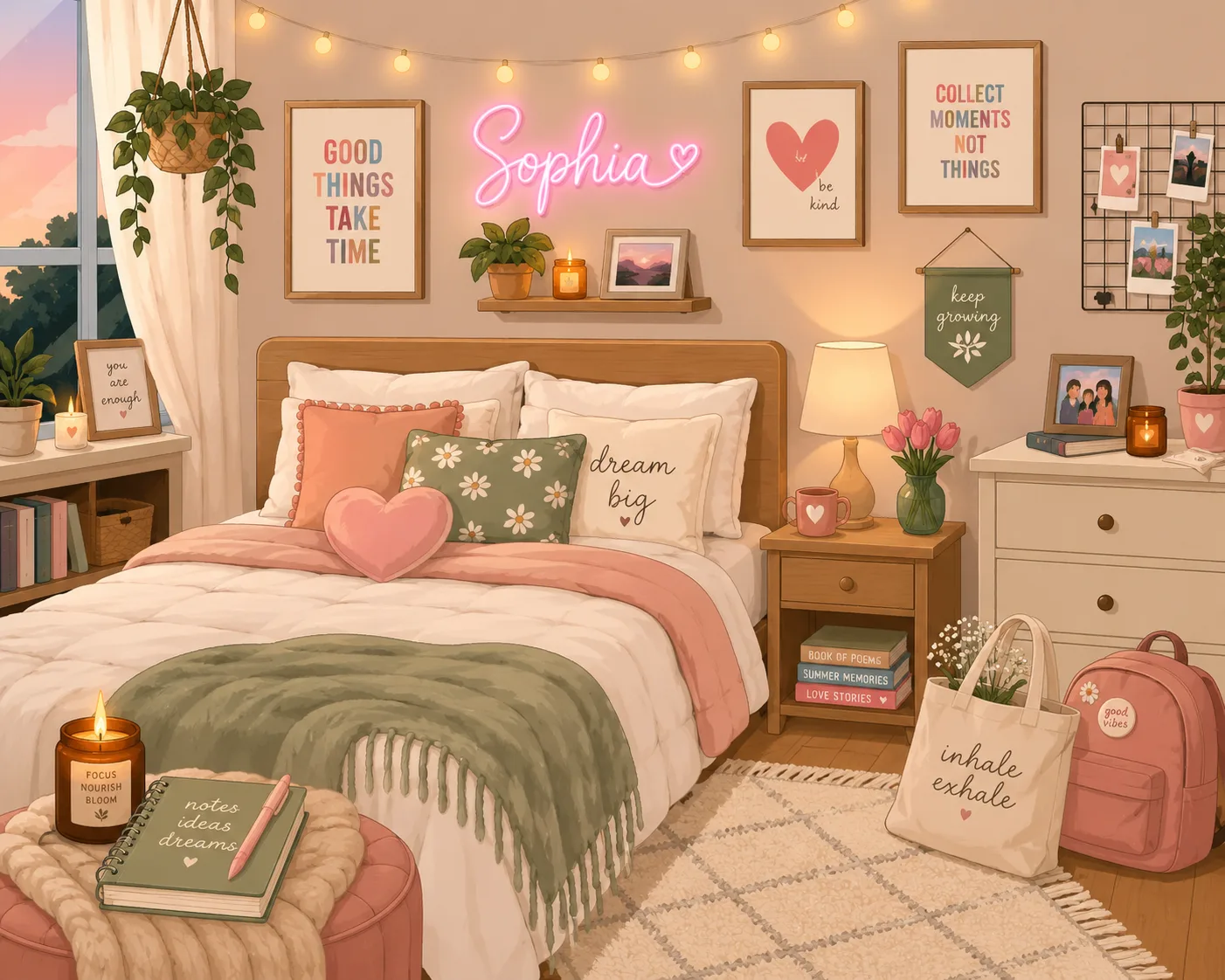
The coziest bedrooms never feel generic. They reflect personality, memories, and emotional connection. A room copied exactly from a furniture catalog might look stylish, but it often lacks soul.
Personal touches transform a bedroom from “nice” into deeply comforting. Framed photos, favorite books, travel souvenirs, meaningful artwork, handmade ceramics, or inherited furniture pieces tell your story. Designers in 2026 increasingly encourage homeowners to mix vintage and modern elements because curated spaces feel warmer and more authentic.
Artwork is especially important because empty walls can make bedrooms feel unfinished. Soft landscapes, abstract art, calming photography, or textured wall hangings help create emotional warmth without overwhelming the room. Oversized upholstered headboards are also becoming popular because they add softness, sound absorption, and visual comfort simultaneously.
Plants bring life into bedrooms in a way few decorative items can. Even a single snake plant or pothos instantly softens the atmosphere and adds a connection to nature. Biophilic design; the practice of incorporating natural elements indoors; remains one of the strongest interior trends because studies show natural environments reduce stress and promote relaxation.
Scent also plays an underrated role in coziness. Lavender, sandalwood, vanilla, and chamomile candles or diffusers can subtly influence emotional comfort and relaxation. A bedroom should engage multiple senses, not just visual appearance.
The trick is avoiding over-decoration. Too many decorative items can quickly turn cozy into cluttered. Choose fewer items that genuinely mean something to you rather than filling shelves for the sake of styling.
Seasonal Adjustments for Warmth and Comfort
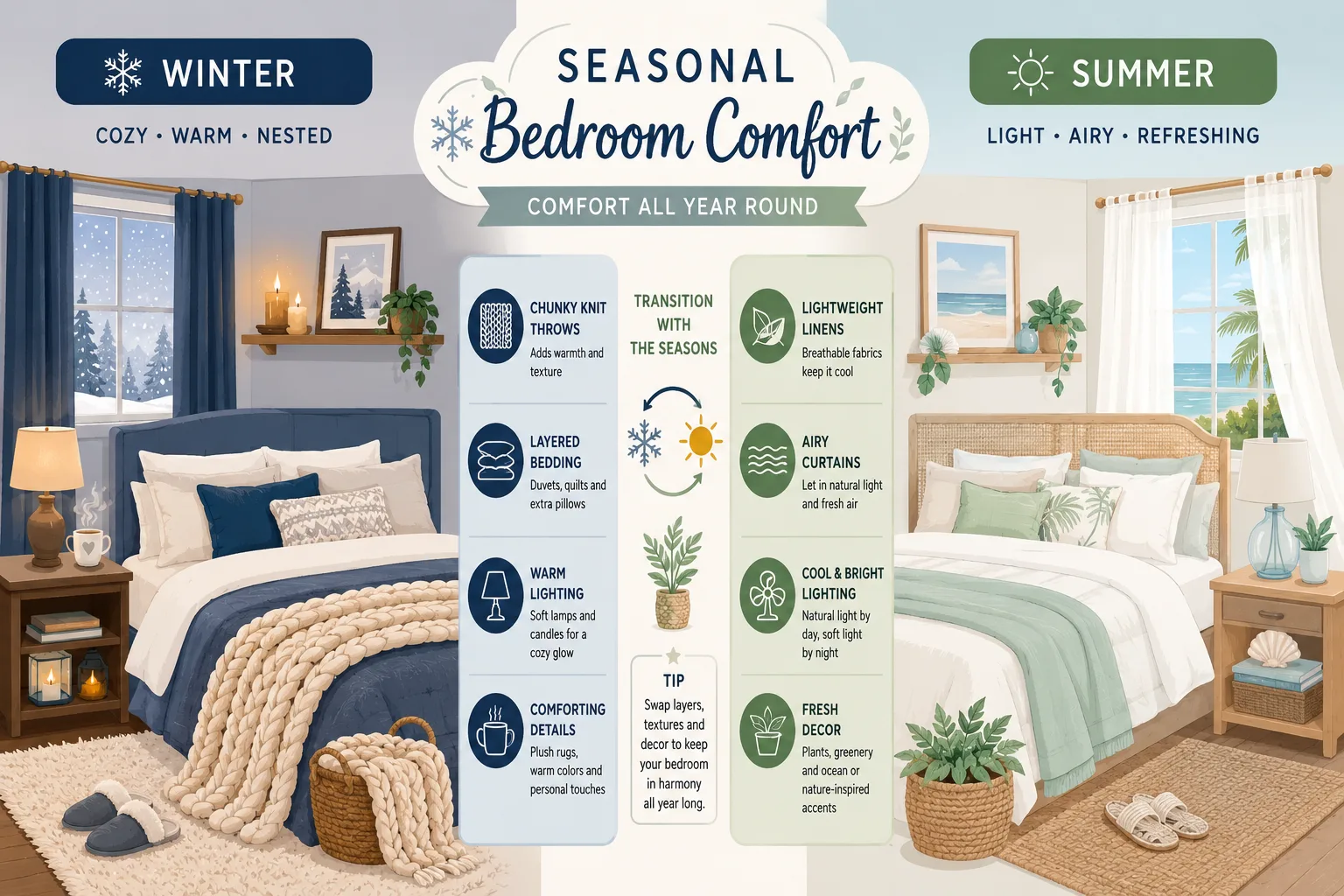
One of the smartest ways to maintain a cozy bedroom year-round is adjusting it seasonally. Just like people change wardrobes depending on weather, bedrooms also benefit from seasonal updates.
During winter, heavier fabrics become essential. Thick knit blankets, velvet cushions, flannel bedding, and plush rugs create physical warmth while visually making the room feel more inviting. Warm amber lighting becomes even more comforting during darker months. Richer color accents like burgundy, chocolate brown, forest green, and rust tones also create a cocoon-like atmosphere perfect for winter relaxation.
Winter bedroom essentials often include:
- Chunky knit throws
- Layered bedding
- Blackout curtains
- Warm bedside lighting
- Soft slippers and rugs
Summer requires a different approach. Cozy does not always mean heavy or dark. During warmer seasons, lightweight linen bedding, breathable cotton fabrics, and airy curtains maintain comfort without making the room feel stuffy. Neutral colors mixed with pale greens or soft blues can create a fresh relaxing atmosphere.
Many homeowners now rotate smaller décor pieces seasonally instead of redesigning entire rooms. Changing pillow covers, blankets, scents, or artwork can refresh the atmosphere without major expense. It is similar to changing playlists depending on mood. Small adjustments create a completely different emotional experience.
Temperature also matters tremendously for sleep comfort. Experts consistently recommend cooler sleeping environments for better rest, usually around 60–67°F (15–19°C). Cozy bedrooms should feel emotionally warm while remaining physically comfortable.
Conclusion
Creating a cozy bedroom is really about creating emotional comfort. It is about designing a space that tells your nervous system it can finally relax. Warm colors, layered textures, soft lighting, intentional furniture placement, and meaningful personal touches all work together to transform an ordinary room into a calming retreat.
The best cozy bedrooms are not necessarily the trendiest or most expensive. They feel personal, welcoming, and peaceful. They balance beauty with functionality and style with comfort. Current 2026 bedroom trends strongly support this philosophy, focusing on warmth, texture, wellness, and sanctuary-like environments instead of sterile perfection.
Your bedroom should feel like an exhale at the end of the day. A place where stress softens, sleep comes easier, and comfort surrounds you naturally. Sometimes the smallest changes; softer lighting, warmer bedding, decluttering a corner, or adding a favorite photograph; can completely change how a room feels.
A cozy bedroom is not created overnight. It evolves gradually through thoughtful choices that reflect your personality and support your well-being. The goal is simple: walk into your bedroom and immediately feel at peace.
Popular: What Is the Crawl Space in a House and Why It Matters
FAQs
1. What colors make a bedroom feel the coziest?
Warm neutrals, sage greens, dusty blues, terracotta tones, and muted pinks are among the best colors for creating a cozy bedroom. These shades feel calming and emotionally grounding without overwhelming the senses.
2. How can I make a small bedroom feel cozy instead of cramped?
Focus on layered textures, warm lighting, multifunctional furniture, and decluttering. Small bedrooms often feel cozier when they are organized thoughtfully and decorated with intentional simplicity.
3. What type of lighting is best for a relaxing bedroom?
Warm white lighting around 2700K works best because it creates a softer atmosphere that supports relaxation and better sleep. Layered lighting with lamps and dimmable fixtures is ideal.
4. How do I add personality to my bedroom without making it cluttered?
Choose a few meaningful decorative items instead of filling every surface. Artwork, framed photos, books, plants, and sentimental objects can make the room feel personal without becoming visually overwhelming.
5. Are cozy bedroom trends in 2026 focused more on style or comfort?
Current trends strongly prioritize comfort, emotional wellness, and sleep quality. Designers are moving away from cold minimalism toward warmer, softer, and more personalized spaces designed for relaxation.