
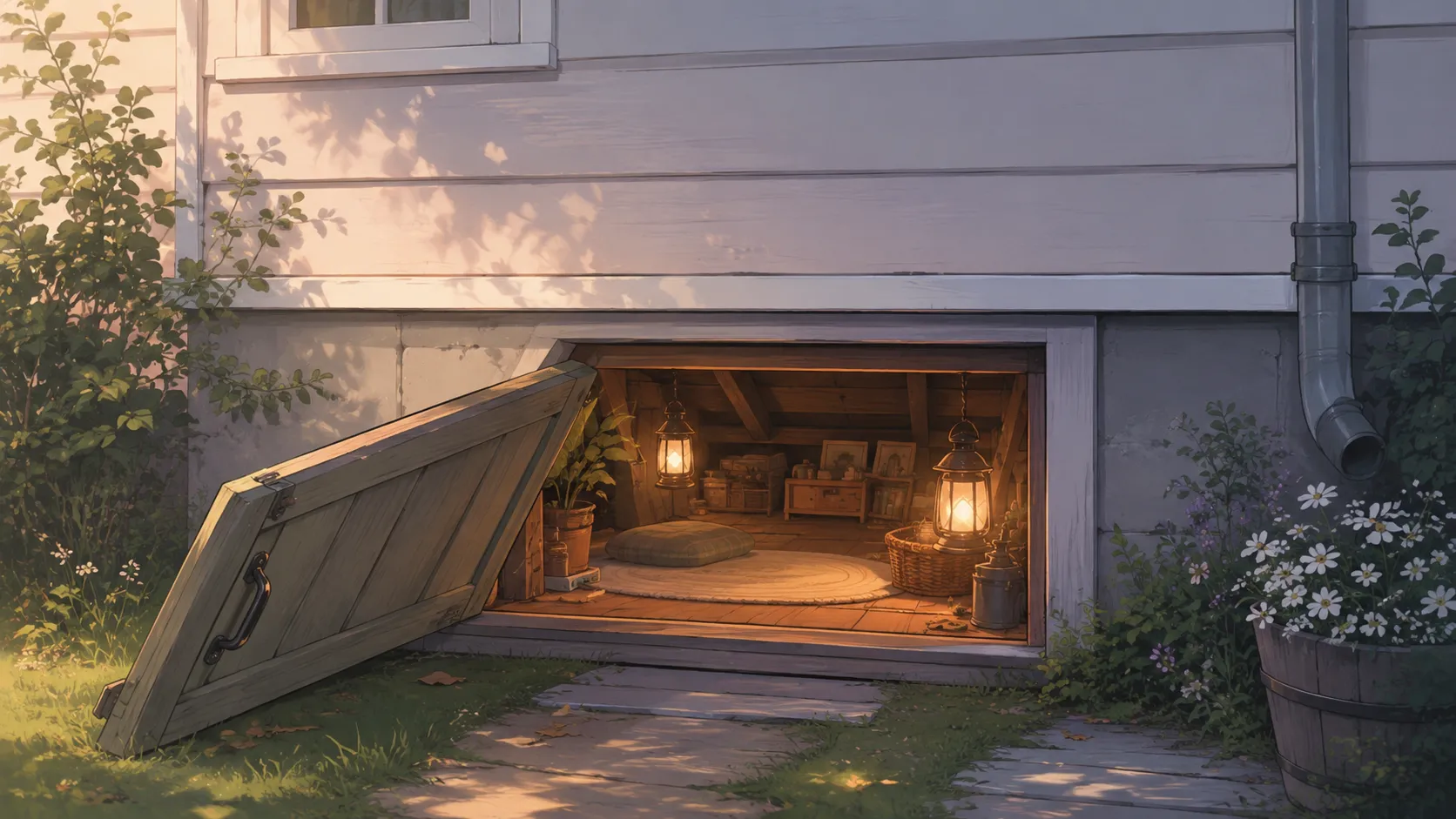
Most homeowners rarely think about the space beneath their floors until something goes wrong. Maybe the house starts smelling musty after rain, the floors begin to sag slightly, or a pest problem appears out of nowhere. That hidden area under the home is often the crawl space, and despite being out of sight, it plays a massive role in the comfort, health, and durability of a house.
A crawl space is essentially a shallow unfinished area between the ground and the first floor of a home. Unlike a basement, it usually isn’t tall enough for a person to stand upright, which is exactly why it’s called a crawl space. In many homes, especially in humid or flood-prone regions, crawl spaces are built to lift the structure above ground level while still providing access to plumbing, wiring, and HVAC systems.
What surprises many homeowners is how much this small area affects the rest of the house. Building experts often explain that air from the crawl space naturally rises upward into living areas through what’s known as the “stack effect.” Research cited by crawl space specialists suggests that as much as 40% to 50% of first-floor air can originate from the crawl space when moisture and airflow issues exist. That means problems below your feet can easily become problems inside your home.
Understanding how crawl spaces work, how moisture develops, and how insulation and ventilation should be managed can help homeowners avoid expensive structural repairs and unhealthy indoor air conditions.
Defining a Crawl Space in Residential Construction
A crawl space is a narrow gap built between the earth and the underside of a home. Most are between one and three feet high, though some are taller. Builders create these spaces to separate the house from direct soil contact while providing room for utility systems. In colder climates, basements are more common because foundations must extend deeper below the frost line. In milder regions, crawl spaces often become the more cost-effective solution.
One of the biggest advantages of a crawl space is accessibility. Pipes, electrical wiring, and air ducts can all be installed beneath the house, making future repairs easier than if everything were buried in concrete slabs. Think of it as the home’s hidden utility corridor. When plumbers or HVAC technicians need access to repairs, the crawl space usually becomes their entry point.
Crawl spaces also help elevate homes in areas vulnerable to heavy rainfall or minor flooding. By raising the floor above ground level, the structure gains some protection from water intrusion. This design can reduce long-term damage when properly maintained. Still, the same open space that protects the home can also trap humidity, create condensation, and invite pests if moisture management is ignored.
Homeowners often underestimate how connected the crawl space is to the entire structure. Wood beams, joists, insulation, and subflooring all sit directly above this area. If excess moisture develops below, those materials absorb water like a sponge. Over time, that can lead to wood rot, warped flooring, mold growth, and structural instability.
The Main Purpose of a Crawl Space
The crawl space serves several important structural and functional purposes. At its core, it acts as a buffer zone between the home and the earth. Soil naturally releases moisture every day, and without some form of separation, homes would constantly battle dampness and decay. Experts estimate exposed soil can release 10 to 15 gallons of water vapor daily in a 1,000-square-foot crawl space. That statistic alone shows why crawl space design matters so much.
Structurally, crawl spaces support the house through foundation walls and support piers. Floor joists stretch across the space and carry the weight of the entire living area above. When moisture levels rise too high, those wooden supports begin deteriorating. Homeowners may first notice creaking floors, uneven surfaces, or doors that no longer close properly.
Another major purpose involves housing essential home systems. Plumbing pipes, electrical cables, gas lines, and HVAC ducts are often installed in crawl spaces because technicians can access them without tearing apart walls or concrete floors. Imagine trying to replace a burst water pipe embedded inside a slab foundation. Suddenly, that cramped crawl space seems like a brilliant idea.
Crawl spaces can also contribute to energy efficiency when properly insulated and sealed. A well-maintained crawl space helps stabilize indoor temperatures by reducing cold drafts in winter and minimizing humidity during summer. On the other hand, neglected crawl spaces often become energy drains that force heating and cooling systems to work overtime.
The crawl space may not be glamorous, but it quietly supports almost every system inside a house. Ignoring it is a bit like ignoring the foundation of a bridge; you might not see the problem immediately, but eventually the consequences become impossible to overlook.
How Crawl Spaces Affect Home Structure and Airflow
One of the most important concepts homeowners should understand is the relationship between crawl spaces and airflow. Houses constantly move air due to pressure differences and temperature changes. Warm air rises, creating suction from below. This process is commonly called the stack effect, and it explains why crawl space air doesn’t stay trapped underground.
When a crawl space becomes damp, moldy, or contaminated, that air often migrates upward into living spaces. Researchers and building science experts note that a significant portion of indoor air can originate from the crawl space. If the crawl space contains mold spores, pest droppings, or excess humidity, the indoor air quality of the home can quickly decline.
This airflow issue becomes even more problematic in humid climates. Traditional vented crawl spaces were originally designed with the belief that outdoor air would dry out moisture beneath the home. In reality, modern studies show the opposite frequently occurs. Warm, humid outdoor air enters the crawl space through vents and condenses on cooler surfaces such as pipes, insulation, and wooden beams.
The result can be devastating over time. Wood framing absorbs moisture, insulation becomes ineffective, and mold colonies begin spreading across surfaces. Floors may feel soft or bouncy as structural materials weaken. Some homeowners even notice increased allergy symptoms or musty odors throughout the house.
Here’s a quick comparison of how crawl space conditions affect the home:
| Crawl Space Condition | Possible Effect Inside the Home |
|---|---|
| High humidity | Sticky indoor air and condensation |
| Mold growth | Musty odors and respiratory irritation |
| Wood rot | Sagging or uneven floors |
| Poor insulation | Higher heating and cooling bills |
| Pest infestation | Noise, contamination, and structural damage |
The crawl space acts almost like the lungs of a home. If the air below is unhealthy, the air above eventually becomes unhealthy too.
Common Types of Crawl Spaces
Not all crawl spaces are built the same way. The two most common types are vented crawl spaces and encapsulated crawl spaces, and the difference between them can dramatically impact moisture levels and energy efficiency.
Vented Crawl Spaces
Traditional vented crawl spaces include foundation vents that allow outdoor air to enter beneath the house. For decades, builders believed ventilation would remove moisture naturally. This idea works reasonably well in dry climates, but in humid regions, it often backfires badly.
Studies have shown vented crawl spaces can average around 77% relative humidity, well above the threshold where mold thrives. When warm humid air enters a cooler crawl space, condensation forms rapidly. Pipes begin sweating, wood absorbs moisture, and insulation can become saturated.
Homeowners with vented crawl spaces often battle recurring mold, musty smells, and pest activity. Ventilation fans may even worsen conditions in certain climates because they continuously pull humid outdoor air into the space.
Encapsulated Crawl Spaces
Encapsulated crawl spaces take a very different approach. Instead of allowing outdoor air inside, contractors seal the area using heavy-duty vapor barriers, insulated walls, and controlled dehumidification systems.
Research cited by crawl space professionals found sealed crawl spaces averaged approximately 52% humidity, dramatically lower than vented systems. Since mold typically struggles to grow below 60% humidity, encapsulation offers strong protection against moisture damage.
Encapsulation can also improve energy efficiency by reducing temperature fluctuations beneath the home. Many homeowners notice lower utility bills, fewer odors, and better indoor comfort after properly sealing the crawl space.
Still, encapsulation isn’t a magic solution if existing leaks or drainage problems remain unresolved. Water intrusion must always be corrected first before sealing the area.
Signs of Moisture Problems in a Crawl Space
Moisture is the number one enemy of crawl spaces. Unfortunately, many warning signs appear gradually, making them easy to ignore at first. By the time homeowners notice obvious symptoms, damage may already be extensive.
One of the earliest signs is a persistent musty smell inside the house. That odor often intensifies after rainfall or during humid weather. Since air naturally rises upward from the crawl space, unpleasant smells travel directly into living areas.
Visible condensation is another common indicator. Water droplets may appear on pipes, ductwork, or foundation walls when humid air meets cooler surfaces. Standing water or muddy areas beneath the home signal even more serious drainage issues.
Other common warning signs include:
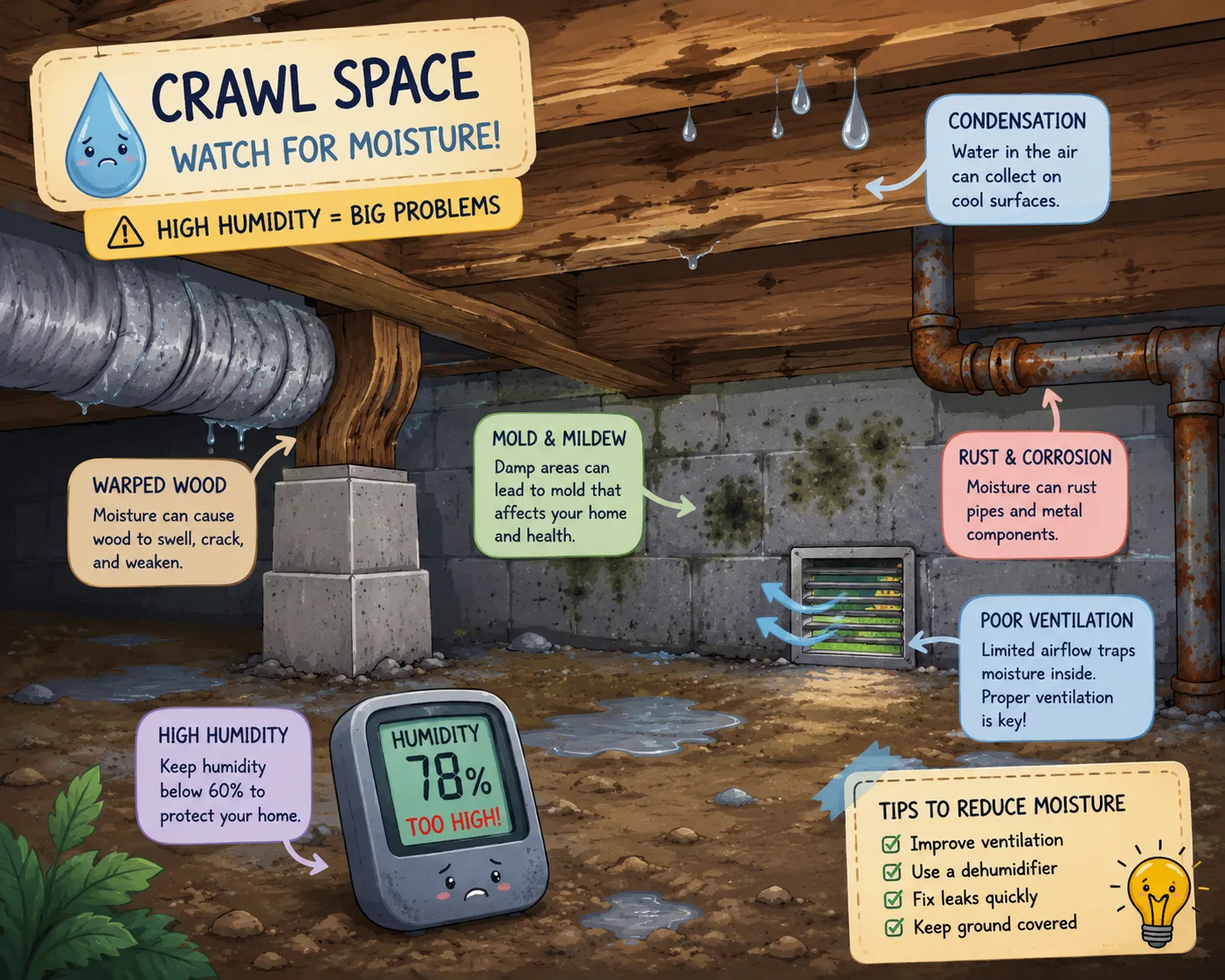
- Increased indoor humidity
- Peeling paint or wallpaper
- Warped hardwood flooring
- Rust on metal fixtures
- Soft or sagging floors
- Higher allergy symptoms indoors
Recent reports from home inspection experts emphasize that damp crawl spaces frequently lead to structural decay and unhealthy indoor conditions. Mold can begin forming within 24 to 48 hours when humidity rises above safe levels.
Homeowners sometimes dismiss crawl space moisture because the area isn’t visible during daily life. That’s a dangerous mistake. Moisture problems rarely stay confined underground. Like rust spreading across metal, crawl space damage slowly expands until it affects flooring, walls, insulation, and air quality throughout the entire home.
Mold and Mildew Risks in Crawl Spaces
Crawl spaces are practically designed to support mold growth when moisture becomes uncontrolled. They are dark, cool, humid, and filled with organic materials like wood and paper-backed insulation. Mold spores only need moisture and a food source to begin colonizing surfaces.
Research shows mold growth becomes highly likely when crawl space humidity exceeds 60% relative humidity. Once conditions are favorable, spores can germinate in as little as two days and develop visible colonies within weeks.
Mold doesn’t just look unpleasant. It can cause serious health and structural concerns. Some homeowners experience coughing, sneezing, headaches, or asthma flare-ups due to mold-contaminated air rising from below the house. Others notice persistent odors that seem impossible to eliminate.
Structural damage is equally concerning. Mold and wood-decay fungi slowly consume wooden beams and subflooring. Over time, floor systems may weaken significantly. In severe cases, repair costs can reach thousands of dollars.
Common mold indicators include:
| Sign | What It May Mean |
|---|---|
| Black or green spots | Active mold colonies |
| White fuzzy growth | Fungal development |
| Soft wood | Moisture damage and decay |
| Strong musty smell | Ongoing mold activity |
| Allergy symptoms indoors | Airborne spores entering living spaces |
Latest Articles: How Do You Get Your Teeth White Fast at Home Using Safe Methods
Many homeowners try quick fixes like bleach spraying, but moisture control remains the true long-term solution. If humidity levels stay high, mold almost always returns. That’s why experts emphasize vapor barriers, drainage correction, dehumidification, and proper insulation rather than surface cleaning alone.
Pest Problems Linked to Crawl Spaces
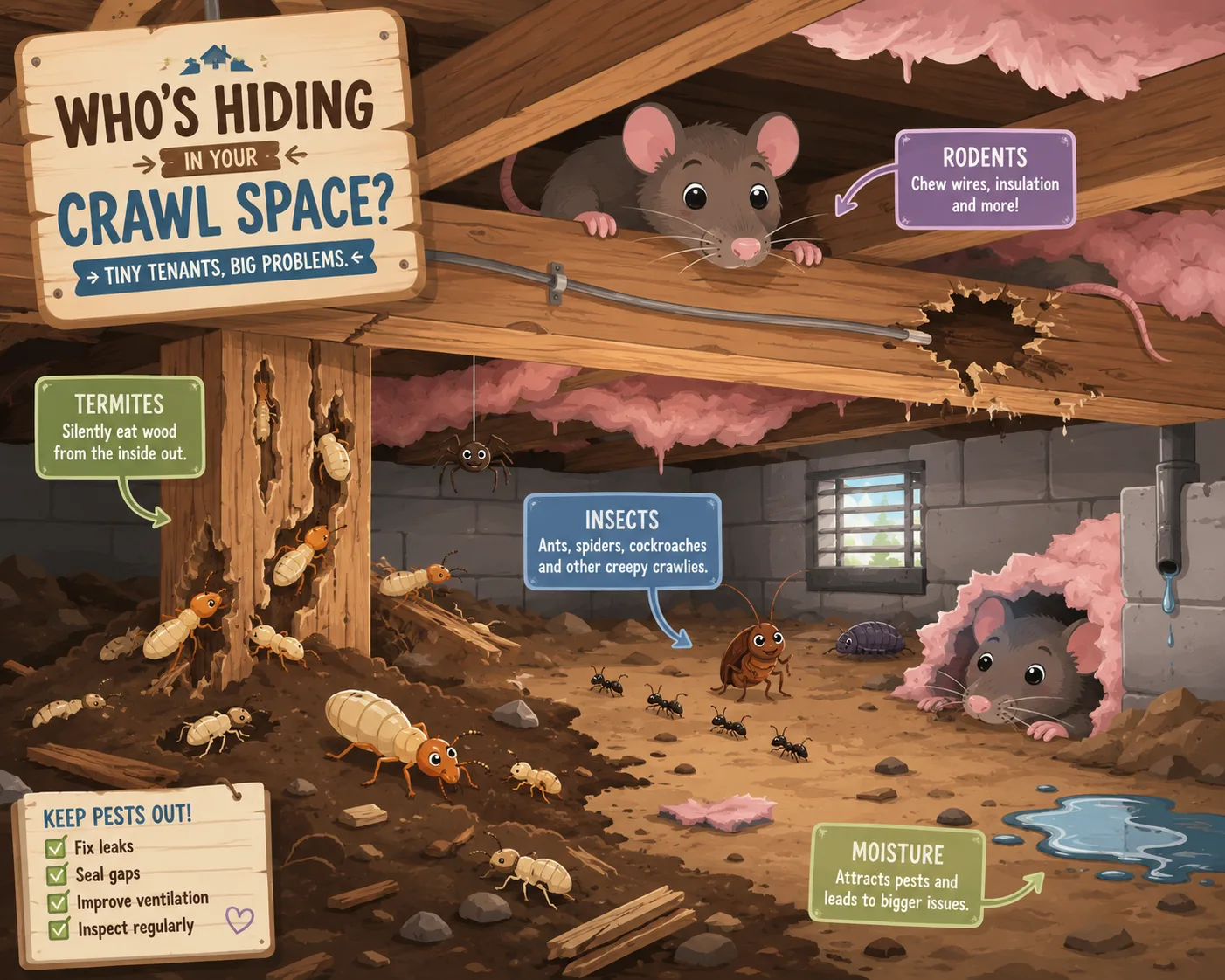
Pests love crawl spaces for the same reasons mold does: darkness, moisture, warmth, and shelter. A neglected crawl space can become a paradise for termites, rodents, cockroaches, spiders, and carpenter ants.
Damp wood especially attracts termites because softened wood becomes easier to consume. Rodents also seek out crawl spaces during colder months because they provide hidden nesting areas protected from predators. Once pests establish themselves below the home, they often find pathways into walls, kitchens, and attics.
One frustrating reality is that pest problems often indicate hidden moisture issues. Excess humidity creates the environment pests need to survive. If homeowners simply exterminate pests without addressing the moisture source, infestations frequently return.
Signs of pest activity in crawl spaces include:
- Droppings or urine smells
- Chewed insulation or wiring
- Scratching noises beneath floors
- Mud tubes from termites
- Increased insect sightings indoors
Moisture-related pest problems can quickly escalate into safety concerns. Rodents may chew electrical wires, increasing fire risks. Termites can silently weaken wooden framing for years before visible damage appears.
Keeping a crawl space dry is one of the most effective forms of pest prevention. Sealing entry points, controlling humidity, and removing standing water can drastically reduce infestation risks.
Crawl Space Maintenance and Safety Practices
Maintaining a crawl space doesn’t necessarily require constant attention, but it does require consistency. Think of it like changing the oil in a car. Ignore it for years, and the repair bill eventually becomes painful.
Experts recommend inspecting crawl spaces at least once or twice per year. Homeowners should check for standing water, visible mold, pest activity, insulation damage, and unusual odors. After heavy storms or plumbing leaks, inspections become even more important.
Safety matters because crawl spaces can contain hazardous conditions. Mold spores, pests, exposed nails, electrical wiring, and contaminated insulation create real risks. Protective equipment should always include gloves, long sleeves, eye protection, and a proper respirator mask.
Basic crawl space maintenance often includes:
- Repairing plumbing leaks immediately
- Replacing damaged insulation
- Monitoring humidity levels
- Clearing drainage pathways
- Inspecting vapor barriers for tears
- Checking wood moisture levels
Many homeowners also install humidity monitors beneath the house. Since safe crawl space humidity usually falls between 30% and 50%, tracking moisture levels can help catch problems early.
Professional inspections are wise when structural damage, mold growth, or pest infestations appear severe. Crawl spaces may seem simple, but hidden damage often spreads farther than expected.
How to Insulate a Crawl Space Effectively
Proper insulation transforms a crawl space from an energy liability into an efficiency asset. Without insulation, cold air beneath the home seeps upward during winter while summer humidity increases cooling demands.
The best insulation strategy depends on whether the crawl space is vented or encapsulated. In vented crawl spaces, insulation is typically installed between floor joists. Fiberglass batts are common, but they often sag or absorb moisture over time.
Encapsulated crawl spaces usually perform better when insulation is attached directly to foundation walls rather than the floor above. Rigid foam insulation works especially well because it resists moisture while improving thermal performance.
Here’s a comparison of common insulation options:
| Insulation Type | Advantages | Drawbacks |
|---|---|---|
| Fiberglass batts | Affordable and widely available | Absorbs moisture easily |
| Spray foam | Excellent air sealing | Higher installation cost |
| Rigid foam board | Moisture resistant | Requires careful installation |
| Mineral wool | Mold resistant | More expensive than fiberglass |
One major mistake homeowners make is insulating without controlling moisture first. Wet insulation loses effectiveness quickly and can actually worsen mold growth. It’s like wrapping a wet towel around your home and expecting it to stay dry.
Air sealing is equally important. Gaps around pipes, ducts, and vents should be sealed to prevent humid air infiltration. Proper insulation paired with moisture control creates a far healthier and more energy-efficient crawl space.
Proper Crawl Space Ventilation and Moisture Control
Ventilation remains one of the most misunderstood topics in crawl space management. For decades, open vents were considered standard practice. Today, building science research increasingly shows that unrestricted ventilation often causes more problems in humid climates than it solves.
When warm outdoor air enters a cooler crawl space, condensation forms rapidly. That moisture accumulates on wooden beams, insulation, and ductwork. Instead of drying the area, ventilation may actually feed mold growth and wood rot.
This doesn’t mean every crawl space should be sealed immediately. Climate conditions matter greatly. Dry regions may still benefit from limited ventilation. Humid regions, however, often perform far better with encapsulation systems.
Modern moisture-control strategies commonly include:
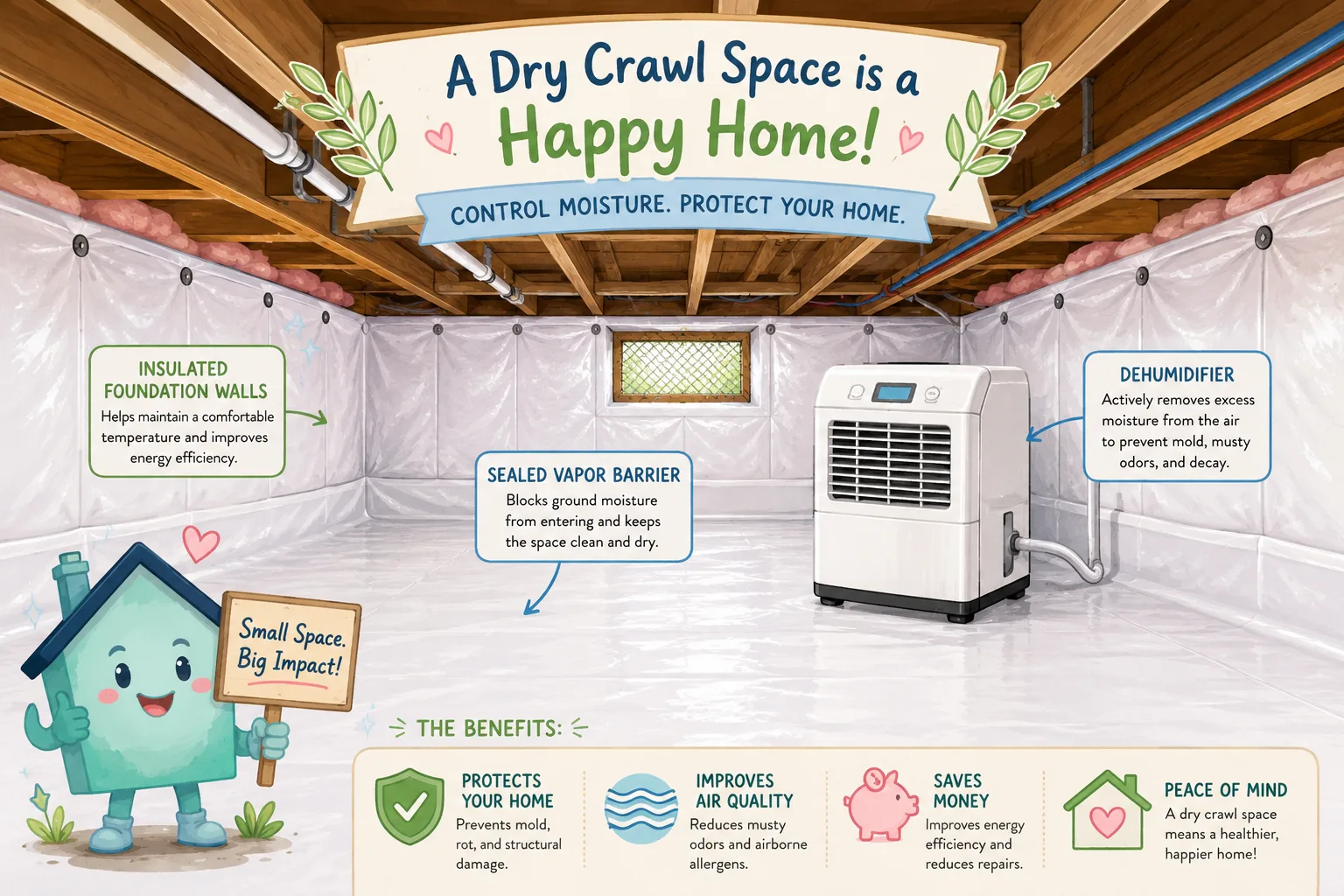 Heavy-duty vapor barriers
- Sealed foundation vents
- Crawl space dehumidifiers
- Drainage improvements
- Sump pumps
- Foundation insulation
Dehumidifiers play a major role in maintaining safe humidity levels below 50% or 60%. Some professional systems automatically drain collected water and continuously monitor conditions.
Encapsulation has become increasingly popular because it combines multiple protective measures into one system. Properly sealed crawl spaces reduce humidity, improve air quality, discourage pests, and increase energy efficiency simultaneously.
Still, homeowners should avoid DIY shortcuts that ignore underlying water problems. Sealing moisture inside a crawl space without fixing drainage or leaks can trap water and worsen structural damage. Moisture management always begins with identifying where the water originates.
Read Next: Step-by-Step Methods for How to Fix an Uneven Concrete Slab
Conclusion
The crawl space may be hidden beneath your home, but its impact reaches every room above it. From structural stability and energy efficiency to indoor air quality and pest prevention, this small underground area quietly influences the health of the entire house.
Understanding crawl spaces means understanding moisture. Excess humidity creates a chain reaction that leads to mold growth, wood rot, pest infestations, and rising energy costs. Studies continue showing that poorly managed crawl spaces can dramatically affect indoor air because air naturally rises from below into living spaces.
The good news is that most crawl space problems are preventable. Regular inspections, proper insulation, vapor barriers, humidity control, and smart ventilation strategies can protect both the structure and the people living inside it.
A healthy crawl space acts like a strong foundation for the rest of the home. Ignore it, and problems slowly spread upward. Care for it properly, and the entire house becomes safer, cleaner, and more comfortable for years to come.
FAQs
1. What is the purpose of a crawl space in a house?
A crawl space separates the house from direct ground contact while providing access to plumbing, electrical systems, and HVAC equipment. It also helps support the structure and can improve flood protection in some regions.
2. Is mold in a crawl space dangerous?
Yes. Mold can damage wooden structures and negatively affect indoor air quality. Air from the crawl space often moves upward into living areas, potentially triggering allergies, asthma symptoms, and respiratory irritation.
3. Should crawl space vents stay open or closed?
It depends on the climate and crawl space design. In humid areas, open vents often increase moisture problems because humid air condenses inside the crawl space. Many modern systems use encapsulation and controlled dehumidification instead.
4. How do I know if my crawl space has moisture problems?
Common signs include musty odors, condensation on pipes, standing water, warped floors, mold growth, increased humidity indoors, and pest infestations.
5. What is the best way to insulate a crawl space?
Rigid foam insulation and spray foam are often considered effective because they resist moisture and provide strong thermal performance. Proper moisture control should always happen before insulation installation.