
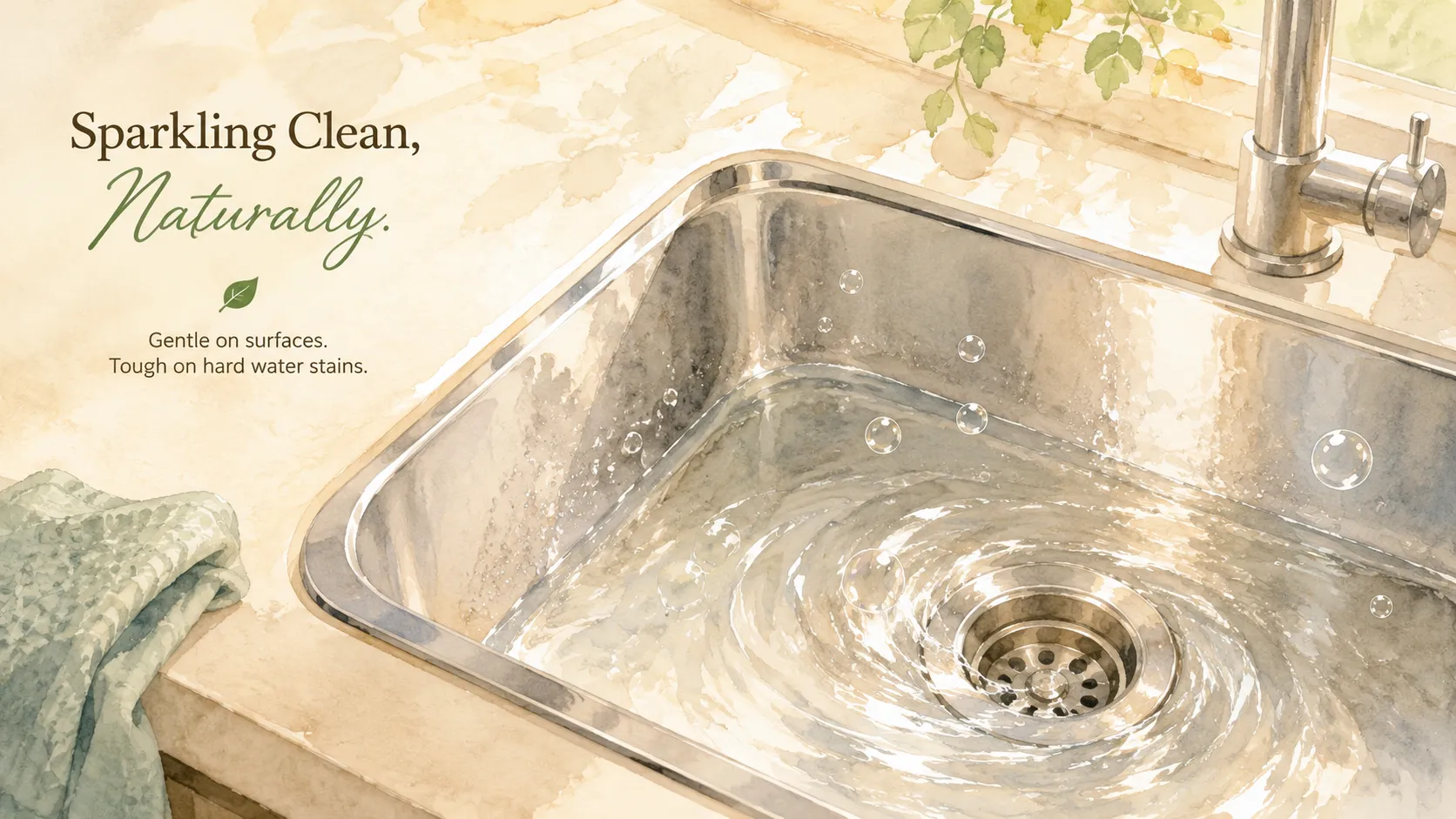
Hard water stains on stainless steel are like those uninvited guests who refuse to leave. One day your sink, refrigerator, or faucet looks spotless and polished, and the next day it’s covered with cloudy white spots, chalky streaks, or dull mineral buildup. If you’ve ever scrubbed endlessly only to see the stains return after a few days, you’re definitely not alone.
Hard water contains high levels of minerals such as calcium and magnesium. When water evaporates, those minerals stay behind and cling to stainless steel surfaces. Over time, the deposits become more stubborn and can even damage the finish if ignored for too long. Cleaning experts recently noted that vinegar-based solutions remain one of the most effective household methods for dissolving mineral buildup naturally, especially when combined with microfiber cloths and gentle scrubbing techniques.
The good news? You don’t need industrial chemicals or expensive tools to restore the shine. Most hard water stains can be removed using safe household ingredients you probably already have sitting in your kitchen cabinet. The trick is knowing which methods work, which ones damage stainless steel, and how to prevent the stains from returning in the first place.
Understanding Hard Water Stains
What Causes Hard Water Stains on Stainless Steel
Hard water stains form because water isn’t actually “pure” once it flows through pipes and underground mineral deposits. In many homes, especially in areas with naturally hard water, tap water carries dissolved calcium, magnesium, lime, and even traces of iron. When water lands on stainless steel and evaporates, those minerals stay behind like tiny crystals glued to the surface. Over time, those deposits accumulate into the cloudy white film or rough chalky buildup people commonly call limescale.
Stainless steel itself doesn’t rust easily, which is why it’s so popular in kitchens and bathrooms. But its shiny reflective surface acts almost like a mirror, making every streak, fingerprint, and water spot painfully obvious. Even a few droplets left behind after washing dishes can dry into noticeable spots. According to recent cleaning industry reports, mineral deposits become harder to remove the longer they remain untreated because they settle into microscopic grooves in the steel’s finish.
Think about it like sugar spilled onto a countertop. If you wipe it immediately, it disappears instantly. Leave it overnight with moisture, though, and it hardens into a sticky mess. Hard water stains behave the same way. Fresh stains are simple to remove, while older buildup may require soaking, acidic cleaners, or repeated treatments. This is why routine maintenance matters far more than aggressive scrubbing later.
The frustrating part is that hard water stains don’t necessarily mean your home is dirty. In fact, many spotless homes still struggle with constant mineral deposits simply because of local water quality. Understanding the science behind the stains helps you treat the root of the problem rather than endlessly polishing surfaces without results.
Why Stainless Steel Shows Water Spots So Easily
Stainless steel has a sleek brushed or polished finish designed to reflect light evenly. That smooth reflective quality is exactly what makes stains stand out so dramatically. Unlike textured materials that hide imperfections, stainless steel highlights every dried droplet and streak. It’s a little like wearing a black shirt during lint season; every speck becomes visible immediately.
Another reason stainless steel attracts visible spots is its protective chromium oxide layer. While this layer helps resist corrosion, it can also reveal mineral deposits more clearly than matte or porous surfaces. Water evaporates quickly on metal surfaces, especially around sinks, kettles, dishwashers, and refrigerators. Once evaporation happens, minerals remain attached like tiny crusty footprints.
People often make the mistake of assuming stronger cleaners equal better results. In reality, aggressive cleaners may damage the finish and make future staining worse. Scratches caused by abrasive pads create microscopic grooves where minerals can settle even more deeply. Cleaning experts consistently recommend soft microfiber cloths and gentle acids instead of steel wool or rough scrubbing tools.
Humidity also plays a role. Kitchens and bathrooms naturally experience steam, splashes, and condensation, which repeatedly expose stainless steel surfaces to mineral-rich moisture. Even if you clean daily, poor drying habits allow spots to return quickly. That’s why prevention and drying are just as important as the cleaning itself.
Identifying Hard Water Stains on Different Surfaces
Sink and Faucet Stains
Sinks and faucets are usually the first victims of hard water buildup because they face constant exposure to running water. These stains often appear as white chalky rings around the faucet base, cloudy spots near the drain, or streaks running down the sides of the sink basin. Sometimes the stains feel rough when touched, especially if mineral buildup has thickened over time.
Fresh hard water spots usually wipe away easily with a damp cloth, but older deposits can become stubborn and crusty. If you notice dull gray patches that refuse to disappear with soap alone, you’re likely dealing with mineral scaling rather than dirt. Calcium deposits especially love hiding around faucet joints and corners where water tends to pool.
A major clue is how the stain reacts to moisture. Grease or food stains often smear when wet, while hard water spots remain rigid and chalky. Another giveaway is the location. Mineral deposits almost always form where water evaporates repeatedly, such as near taps, sprayers, and sink edges.
People living in hard water regions often notice stains returning within days after cleaning. That constant reappearance isn’t because the cleaning failed; it’s because new minerals continue accumulating every time the sink gets wet. This repetitive cycle explains why many homeowners feel trapped in a never-ending battle against water spots.
Appliance and Refrigerator Stains
Stainless steel refrigerators, dishwashers, ovens, and microwaves develop hard water stains differently from sinks. Instead of thick chalky buildup, appliances usually show cloudy streaks, dull patches, or fingerprint-like smudges caused by evaporated water droplets. Ice dispensers and water dispensers are especially vulnerable because tiny splashes dry quickly on the metal surface.
One tricky thing about appliance stains is distinguishing mineral spots from grease residue. Hard water marks usually look pale white or rainbow-like under light, while grease tends to appear oily or smeared. If regular soap leaves the stain untouched, minerals are likely responsible.
Recent homeowner discussions online reveal that some stubborn stains are actually etched into the steel after years of neglect or improper cleaning. Once etching occurs, complete restoration becomes much harder because the surface itself has been altered.
This is why quick maintenance matters. Appliances are expensive investments, and a streak-free polished finish dramatically affects how clean the entire kitchen appears. A shiny refrigerator can make a kitchen feel luxurious, while cloudy stainless steel instantly creates a worn-out impression.
Cookware and Utensil Stains
Stainless steel cookware faces a double challenge because it encounters both hard water minerals and high heat. Pots and pans often develop white cloudy residue after boiling water or running through dishwashers. These stains may look permanent at first, but they’re usually just mineral deposits left behind after evaporation.
Tea kettles are another common problem area. If you regularly boil hard water, minerals gradually accumulate both inside and outside the kettle. Utensils may also develop spotty finishes when air-dried instead of towel-dried.
The important thing to remember is that these stains rarely affect the safety of the cookware. They mainly impact appearance. Still, if ignored too long, buildup can become difficult to remove and may interfere with the polished finish people love about stainless steel cookware.
Safe Cleaning Agents and Household Solutions
White Vinegar as a Mineral Dissolver
White vinegar is practically the superhero of hard water stain removal. Its acidity breaks down calcium and magnesium deposits without requiring harsh scrubbing. Distilled white vinegar is particularly effective because it contains acetic acid strong enough to dissolve mineral buildup while remaining relatively safe for stainless steel when used properly.
Using vinegar feels almost magical sometimes. Spray it onto cloudy stains, wait a few minutes, and suddenly those stubborn spots start loosening like ice melting under sunlight. For mild stains, a simple 1:1 mixture of vinegar and warm water usually works beautifully. Tougher buildup may require soaking paper towels in vinegar and laying them over the affected area for 10 to 15 minutes.
One important detail many people overlook is rinsing thoroughly afterward. Leaving vinegar on stainless steel for extended periods can potentially dull or discolor the finish. Experts consistently recommend limiting contact time and drying the surface immediately after cleaning.
The beauty of vinegar is its accessibility. Unlike specialized cleaners with complicated chemical names, vinegar is affordable, widely available, and surprisingly powerful. It’s proof that effective cleaning doesn’t always require expensive products.
Baking Soda for Gentle Scrubbing
Baking soda acts as the gentle muscle in the cleaning process. While vinegar dissolves minerals chemically, baking soda helps lift stubborn residue physically without causing major scratching. Its fine texture makes it safer than abrasive powders or steel wool.
The key is moderation. Sprinkle a small amount onto a damp microfiber cloth or create a loose paste with water. Then scrub gently in the direction of the stainless steel grain. Cleaning with the grain is critical because scrubbing against it can create visible scratches and dullness.
Baking soda works especially well on older buildup where minerals have hardened into rough patches. It provides enough friction to loosen deposits without aggressively grinding the steel surface. Think of it like exfoliating skin gently rather than sanding wood.
People sometimes assume more pressure equals better cleaning, but stainless steel responds better to patience than force. Gentle repeated passes almost always outperform aggressive scrubbing sessions that damage the finish.
Lemon Juice and Natural Acids
Lemon juice is another natural acid capable of dissolving hard water deposits effectively. It’s particularly popular among people who dislike vinegar’s strong smell. Fresh lemon juice contains citric acid, which cuts through mineral buildup while leaving behind a cleaner, fresher scent.
Lemons also provide mild polishing benefits because their natural oils add a slight shine to stainless steel surfaces. Some homeowners even rub half a lemon directly onto faucets or sinks before wiping with a microfiber cloth.
Natural cleaning solutions appeal to many families because they avoid harsh chemical exposure. Still, “natural” doesn’t automatically mean risk-free. Acidic substances should never remain on stainless steel for extended periods because prolonged exposure may damage protective finishes.
Why Mixing Vinegar and Baking Soda Isn’t Always Ideal
You’ve probably seen countless viral cleaning hacks showing dramatic fizzing reactions between vinegar and baking soda. The bubbling certainly looks impressive, but chemistry experts recently explained that mixing the two actually neutralizes much of their cleaning power.
Vinegar is acidic while baking soda is alkaline. When combined, they react immediately, creating carbon dioxide and mostly leaving behind salty water. The fizzing action may help loosen debris temporarily, but the ingredients become less effective once mixed together.
A smarter strategy is using them separately. Start with vinegar to dissolve mineral deposits, rinse lightly, then follow with baking soda for gentle scrubbing if needed. This preserves the strength of both ingredients and produces better cleaning results overall.
Step-by-Step Cleaning Techniques
Basic Vinegar Spray Method
The vinegar spray method remains one of the easiest and safest approaches for routine hard water stain removal. Start by mixing equal parts distilled white vinegar and warm water in a spray bottle. Lightly spray the stained stainless steel surface until evenly coated.
Allow the solution to sit for five to ten minutes. During this time, the acid works to dissolve calcium and magnesium deposits. You’ll often notice cloudy spots beginning to fade even before wiping. Use a microfiber cloth to wipe gently with the grain of the stainless steel. Avoid circular scrubbing because it can create streaks.
After removing the stains, rinse the surface with clean water to eliminate remaining vinegar residue. Finally, dry thoroughly using a clean towel. That last step matters more than most people realize. Air drying often causes new spots almost immediately.
This technique works beautifully for sinks, refrigerators, dishwashers, faucets, and even stainless steel cookware. It’s simple, inexpensive, and safe for regular maintenance.
Deep-Cleaning Tough Mineral Deposits
Older mineral buildup requires a more patient approach. If spraying alone doesn’t work, soak paper towels or soft cloths in vinegar and place them directly over the stains. Let them sit for about 15 minutes so the acid can soften hardened deposits.
After soaking, remove the cloths and sprinkle a small amount of baking soda onto stubborn areas. Gently scrub using a non-abrasive sponge while following the grain of the steel. Never use steel wool or wire brushes because they permanently scratch stainless steel surfaces.
For extremely stubborn buildup, repeat the process rather than increasing scrubbing pressure. Patience is usually safer and more effective than aggression. Some deeply etched stains may not disappear completely, especially if mineral deposits have remained for years.
Recent online discussions among homeowners highlight how improper cleaning attempts sometimes worsen damage instead of improving it. Overusing strong acids or abrasive powders can leave rainbow discoloration or dull patches on stainless steel finishes.
Removing Stains Without Scratching Stainless Steel
Protecting the finish should always remain the top priority. Once stainless steel becomes scratched, those grooves trap minerals and fingerprints more easily, making future cleaning harder.
Microfiber cloths are ideal because they lift debris without rough friction. Soft sponges also work well. Always scrub lightly and move in the direction of the grain. If you look closely at stainless steel, you’ll notice faint lines similar to wood grain. Following those lines preserves the polished appearance.
One overlooked tip is avoiding excessive cleaner buildup. Too much product often creates streaking rather than shine. Minimal cleaner combined with proper drying usually produces the best finish.
Preventive Measures to Reduce Stains
Daily Habits That Keep Stainless Steel Spotless
Prevention is honestly the secret weapon against hard water stains. Regular quick maintenance beats marathon scrubbing sessions every single time. A simple habit like wiping sinks dry after washing dishes dramatically reduces mineral buildup.
Keep a microfiber cloth near your sink or appliances and use it regularly. Drying surfaces immediately prevents water evaporation, which means minerals never get the chance to settle. It takes less than a minute but saves hours of frustration later.
Consistency matters more than perfection. Even wiping down stainless steel every other day can significantly reduce buildup. Think of it like brushing your teeth. Skipping once isn’t catastrophic, but neglect over time creates much bigger problems.
Many cleaning experts also recommend routine polishing because polished surfaces resist water spots better than dull surfaces.
Using Water Softeners and Filters
If hard water stains constantly return despite regular cleaning, your water itself may be the root problem. Water softeners reduce calcium and magnesium levels before water reaches faucets and appliances. This can dramatically decrease limescale buildup throughout the home.
While water softeners require an upfront investment, they may extend the lifespan of dishwashers, faucets, coffee makers, and plumbing systems. Some homeowners also use filtered water for kettles and coffee machines to minimize mineral deposits.
Not everyone needs a whole-house softener, though. Even smaller faucet filters can help reduce staining in kitchens and bathrooms.
Polishing and Maintaining Stainless Steel Shine
Using Oils and Stainless Steel Polish
After removing stains, polishing helps restore that beautiful reflective shine stainless steel is known for. A few drops of olive oil, mineral oil, or specialized stainless steel polish applied to a microfiber cloth can create a smooth protective layer.
The trick is using tiny amounts. Too much oil leaves greasy streaks instead of shine. Wipe lightly with the grain until the surface looks glossy and even.
Polishing does more than improve appearance. It also creates a temporary barrier that helps repel fingerprints and water droplets. Many professional cleaners consider polishing the finishing touch that transforms “clean” into “showroom quality.”
Proper Drying Techniques for a Mirror Finish
Drying might sound boring compared to fancy cleaning solutions, but it’s probably the most important step of all. Stainless steel almost always looks better when hand-dried immediately after cleaning.
Use a clean microfiber towel rather than paper towels, which can leave lint behind. Buff gently with long strokes following the grain of the metal. This produces a smooth reflective finish without streaking.
If you’ve ever wondered why hotel kitchens and luxury appliances always appear spotless, this is usually the answer. They dry and polish surfaces consistently instead of letting water evaporate naturally.
What to Avoid When Cleaning Stainless Steel
Harsh Chemicals and Abrasive Tools
Some cleaning products do far more harm than good. Bleach, chlorine-based cleaners, steel wool, and rough scouring pads can permanently damage stainless steel finishes. Experts repeatedly warn against abrasive cleaning because scratches trap dirt and minerals more easily over time.
Even popular powdered cleaners should be used cautiously. While some may remove buildup effectively, aggressive scrubbing can dull polished finishes. Always test products on hidden areas first.
Strong acids also require care. Vinegar works well in moderation, but prolonged soaking may discolor certain finishes. Never leave acidic cleaners sitting overnight unless the manufacturer specifically approves it.
Common Cleaning Mistakes That Cause Damage
One of the biggest mistakes people make is scrubbing against the grain. This leaves visible streaks and scratches that permanently affect appearance. Another common error is allowing cleaners to dry on the surface instead of rinsing them away promptly.
People also tend to overclean. Using multiple harsh products back-to-back often weakens the protective finish. Simpler routines usually work better.
Another surprising mistake is air drying. Even perfectly cleaned stainless steel can end up covered in fresh spots if water evaporates naturally afterward.
Conclusion
Hard water stains may seem stubborn, but they’re far from unbeatable. Understanding what causes the stains, recognizing how they appear on different stainless steel surfaces, and using the right cleaning techniques makes an enormous difference. The safest and most effective solutions are often the simplest ones: distilled white vinegar, baking soda, microfiber cloths, and proper drying habits.
The real secret isn’t aggressive scrubbing or expensive chemicals. It’s consistency. Quick routine maintenance prevents minerals from building into crusty deposits that become difficult to remove later. Cleaning with the grain, drying immediately, and polishing occasionally can keep stainless steel surfaces looking sleek and reflective for years.
Most importantly, avoid panic-cleaning with abrasive tools or harsh chemicals. Stainless steel rewards gentle care and patience. Treat it properly, and it continues looking modern, polished, and elegant even in homes with extremely hard water.
FAQs
1. Can hard water permanently damage stainless steel?
Yes, prolonged mineral buildup can eventually etch or discolor stainless steel surfaces. Early cleaning helps prevent permanent damage.
2. Is vinegar safe for all stainless steel appliances?
Usually yes, but it should always be diluted, used briefly, rinsed thoroughly, and tested on a hidden area first to avoid discoloration.
3. Why do hard water stains keep coming back after cleaning?
The stains return because mineral-rich water continues drying on the surface. Drying surfaces immediately after use helps reduce recurrence.
4. What is the safest tool for scrubbing stainless steel?
Microfiber cloths and non-abrasive sponges are safest because they clean effectively without scratching the finish.
5. Should you mix vinegar and baking soda together?
Not usually. Experts say mixing them neutralizes much of their cleaning power. Using them separately tends to produce better results.