
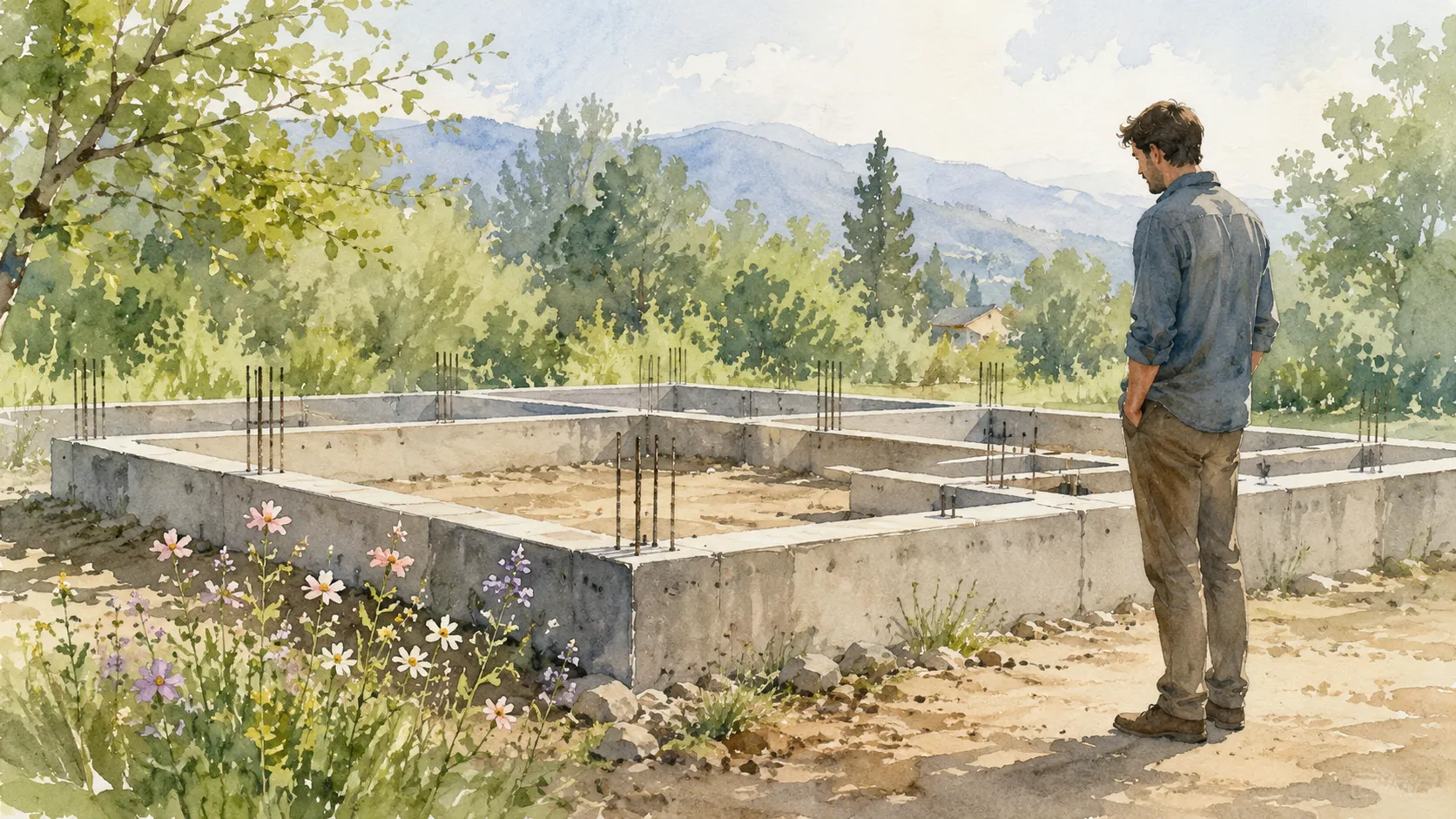
A house foundation is a lot like the roots of a giant tree. You rarely see it, you probably do not think about it every day, but everything above depends on it staying strong and stable. The moment a foundation begins to weaken, the entire structure can start sending distress signals. Floors slope, walls crack, doors jam, and suddenly the home that once felt rock solid begins behaving like a ship on rough water. That is why homeowners constantly ask one important question: How long does a house foundation last?
The answer is not as simple as throwing out a number. Some foundations last over 100 years with minimal issues, while others begin showing serious structural problems within just a few decades. The lifespan depends on several factors including foundation type, soil movement, drainage quality, climate conditions, construction methods, and maintenance habits. According to recent industry data, most concrete slab foundations last between 50 and 100 years, while full basement foundations may survive 80 to 150 years if properly maintained. Crawl space foundations typically range from 40 to 80 years because moisture and ventilation issues can accelerate deterioration.
Understanding how foundations age is incredibly important for homeowners, buyers, and property investors. A foundation is not something you casually replace like roofing shingles or kitchen cabinets. Repairs can cost thousands of dollars, while full replacement projects can feel financially overwhelming. The good news is that many foundation issues develop slowly, giving homeowners time to identify warning signs and take corrective action before catastrophic damage occurs. Knowing what affects foundation durability can help you protect one of the largest investments you will ever make.
Why a Strong Foundation Matters
The Role Foundations Play in Structural Stability
The foundation of a home carries the entire weight of the structure and distributes that load evenly into the soil below. Think of it as the shock absorber for your house. Every wall, roof beam, appliance, window, and piece of furniture ultimately transfers pressure into the foundation system. Without a stable base, the structure above would shift, crack, or collapse over time. Foundations also help protect homes from moisture intrusion, soil movement, frost heave, and even pest infestations depending on the design.
Different regions require different foundation styles because the environment directly affects structural performance. Homes in cold climates often rely on basements because footings must extend below frost lines. Warmer regions frequently use slab foundations because freezing temperatures are less of a concern. Coastal or flood-prone areas may use pier and beam systems to elevate homes above moisture-heavy ground. These environmental differences explain why there is no universal answer for foundation longevity. The conditions under the house matter just as much as the materials used to build it.
Modern building codes have significantly improved foundation performance over the last several decades. Reinforced concrete, vapor barriers, drainage systems, and improved soil compaction methods all contribute to longer-lasting structures. A properly engineered foundation built today has a much better chance of surviving a century compared to poorly constructed foundations from decades ago. Still, even the best engineering cannot fully defeat poor drainage or unstable soil conditions forever.
Why Foundation Lifespan Varies by Home
Two houses built side by side can experience completely different foundation outcomes over time. One may remain structurally sound for generations, while the other develops cracks and settlement issues after only twenty years. Why does that happen? The answer usually comes down to the interaction between soil, water, and construction quality.
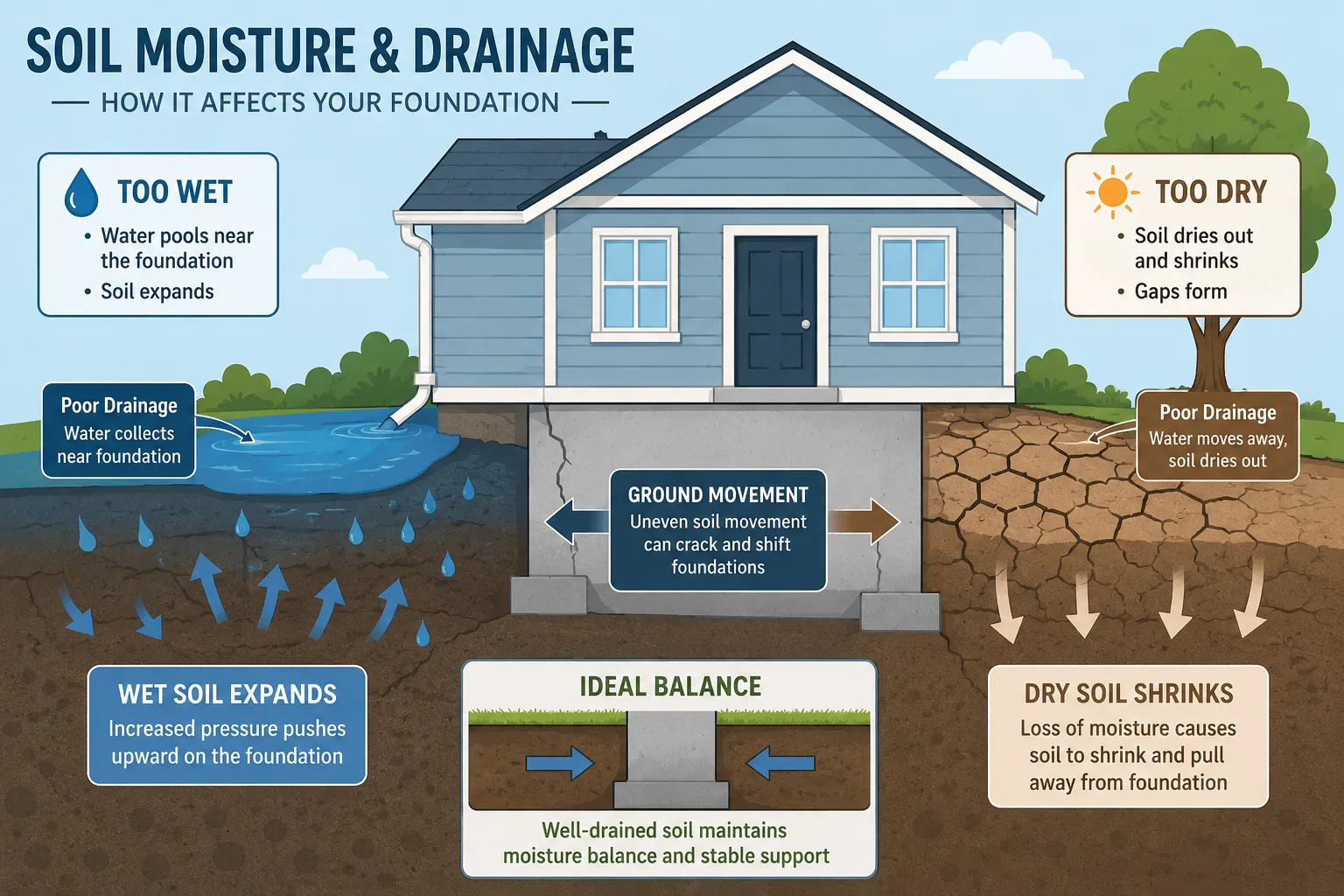
Expansive clay soils are among the biggest enemies of foundations. These soils swell when wet and shrink dramatically during dry periods. That constant expansion and contraction places enormous stress on concrete slabs and footings. In regions with unstable soil conditions, homes often experience uneven settlement that causes cracking and shifting. Poor drainage makes the problem even worse because excess water saturates the ground around the structure.
Tree roots can also influence foundation performance. Large trees positioned too close to the home pull moisture from the soil, creating dry pockets that contribute to uneven settlement. Plumbing leaks beneath slab foundations create similar problems by saturating the ground and weakening soil stability. In many cases, the foundation itself is structurally sound, but the soil supporting it has become unreliable.
Maintenance habits matter too. Homeowners who keep gutters clean, direct water away from the property, and monitor cracks regularly often extend foundation life significantly. Deferred maintenance is one of the leading causes of premature foundation failure. Experts consistently emphasize that water management is one of the most critical factors in preserving long-term structural stability.
Typical Lifespan of Different Foundation Types
Concrete Slab Foundations
Concrete slab foundations are among the most common residential foundation types in modern construction. These foundations consist of thick concrete poured directly onto prepared soil. Slabs are popular because they are affordable, fast to build, and relatively low maintenance compared to basements or crawl spaces. In warm climates especially, slab foundations dominate residential construction.
Most well-built slab foundations last between 50 and 100 years, though some exceed that range with proper care. Reinforced concrete and high-quality installation dramatically improve durability. The biggest threats to slab longevity are soil movement, moisture imbalance, and plumbing leaks beneath the slab. Because utilities are often embedded inside the concrete, repairs can become expensive and invasive if leaks develop.
One challenge with slab foundations is that homeowners may not notice early warning signs immediately. Cracks often appear slowly and may seem cosmetic at first. Small hairline cracks are relatively common and not always alarming. However, wide cracks, uneven floors, or doors sticking shut can indicate settlement problems. Slab foundations are particularly vulnerable in regions with expansive clay soils because the entire slab moves together as the ground shifts.
Despite those risks, slab foundations remain highly durable when installed correctly. Many engineers argue that proper drainage matters more than the slab itself. If water consistently pools around the home, even the strongest concrete eventually suffers stress. On the other hand, homes with stable moisture conditions and proper grading can maintain slab integrity for decades with little intervention.
Crawl Space Foundations
Crawl space foundations elevate the home slightly above ground level while creating a narrow area beneath the structure for plumbing, electrical systems, and ventilation. These systems are extremely common in humid climates and areas where slight elevation helps protect against moisture issues or uneven terrain.
Crawl space foundations generally last 40 to 80 years, though moisture management plays a massive role in determining actual lifespan. Unlike concrete slabs, crawl spaces involve wood framing components that are vulnerable to humidity, mold, termites, and rot. Poor ventilation can create a damp environment that slowly deteriorates structural supports over time.
One advantage of crawl spaces is accessibility. Plumbing and electrical repairs are easier because systems remain exposed beneath the home instead of buried inside concrete. This accessibility often prevents hidden leaks from causing major structural damage. However, neglected crawl spaces can become breeding grounds for mold and pest infestations. Homeowners sometimes ignore crawl spaces entirely because they are out of sight, which can allow small issues to become expensive structural problems.
Encapsulation systems have become increasingly popular for extending crawl space longevity. These systems use vapor barriers, dehumidifiers, and sealed vents to control moisture levels. Modern encapsulated crawl spaces perform dramatically better than older ventilated designs. Recent data suggests vapor barriers may last 15 to 25 years before replacement becomes necessary. Proper encapsulation can significantly reduce moisture-related deterioration and improve long-term structural health.
Basement Foundations
Basement foundations are often considered the gold standard for durability and longevity. These foundations extend below ground level and provide additional living or storage space while supporting the home above. In colder climates where deep footings are already necessary, basements make economic sense because excavation costs are already part of the construction process.
A properly maintained basement foundation can last 80 to 150 years, making it one of the longest-lasting residential foundation systems available. Thick concrete walls, reinforced footings, and below-grade positioning contribute to exceptional strength. Many historic homes built over a century ago still rely on original basement foundations that remain structurally functional today.
Water intrusion is the biggest threat to basement foundations. Hydrostatic pressure builds when groundwater accumulates around foundation walls, eventually forcing moisture through cracks or porous concrete. Repeated freeze-thaw cycles can worsen cracking in colder climates. That is why waterproofing systems, sump pumps, drainage tiles, and proper grading are essential for preserving basement integrity.
Finished basements can sometimes hide warning signs that would otherwise be visible. Homeowners may not notice moisture intrusion until mold growth, warped flooring, or musty odors appear. Regular inspections are crucial because minor seepage can evolve into significant structural deterioration over time. When maintained properly, though, basement foundations often outlast the homes built above them.
Pier and Beam Foundations
Pier and beam foundations use vertical piers anchored into the ground to support beams beneath the structure. These systems are common in flood-prone areas, coastal regions, and homes built on uneven terrain. By elevating the structure above the ground, pier and beam foundations help protect homes from moisture damage and flooding.
The lifespan of pier and beam foundations varies widely depending on materials and environmental conditions, but many last 70 to 90 years or longer with proper maintenance. Concrete piers generally perform extremely well, while wood beams require ongoing protection against moisture and pests. Because the home is elevated, airflow beneath the structure can help reduce moisture accumulation, though poor ventilation may still cause rot issues over time.
Settlement problems can occur if individual piers shift unevenly due to unstable soil conditions. Fortunately, repairs are often more manageable compared to slab foundations because components are accessible beneath the structure. Contractors can sometimes relevel homes by adjusting or reinforcing specific piers without major excavation.
Homeowners with pier and beam systems should pay close attention to drainage patterns and termite prevention. Moisture is still the primary long-term enemy. When properly maintained, these foundations offer remarkable flexibility and resilience, especially in regions vulnerable to flooding or soil movement.
Factors That Influence Foundation Durability
Soil Conditions and Ground Movement
Soil may seem solid beneath your feet, but it behaves more like a living organism than most people realize. It expands, contracts, shifts, absorbs water, dries out, and reacts constantly to environmental changes. Foundations depend entirely on stable soil support, so even a perfectly constructed foundation can fail if the ground beneath becomes unstable.
Expansive clay soils create some of the worst foundation problems in residential construction. During rainy periods, the soil absorbs moisture and swells upward. During droughts, it shrinks and pulls away from the foundation. This constant movement creates stress fractures and uneven settlement. Sandy soils drain quickly but may lack stability under heavy loads, while poorly compacted fill soil can settle unpredictably over time.
Earthquakes, nearby construction vibrations, and natural erosion also contribute to foundation stress. Even seasonal moisture fluctuations can slowly shift a home over decades. Engineers often compare foundation settlement to bending a paperclip repeatedly. Small movements may seem harmless individually, but cumulative stress eventually causes cracking and structural fatigue.
Moisture and Drainage Problems
Water is both life-giving and incredibly destructive. Around foundations, uncontrolled moisture is often the silent killer that slowly undermines structural integrity. Poor drainage allows water to accumulate near the foundation perimeter, saturating the soil and increasing hydrostatic pressure against concrete walls and slabs.
Clogged gutters, short downspouts, negative grading, and leaking irrigation systems all contribute to moisture problems. When water pools near the foundation repeatedly, the soil weakens and shifts. Basement walls may bow inward, slab foundations may crack, and crawl spaces can develop mold or rot issues. Even minor plumbing leaks beneath a slab can create severe long-term settlement problems.
Maintaining consistent soil moisture is surprisingly important. Extremely dry conditions can be just as damaging as oversaturation because shrinking soil creates voids beneath the foundation. Homeowners in drought-prone regions sometimes use foundation watering systems to maintain stable soil conditions during extended dry periods.
Climate and Weather Extremes
Climate directly affects foundation lifespan because environmental stress never truly stops. Homes in cold climates face freeze-thaw cycles that expand trapped water inside cracks. Coastal homes battle salt exposure and high humidity. Regions prone to hurricanes or flooding experience soil erosion and moisture intrusion risks.
Extreme temperature swings also influence concrete performance over time. Concrete naturally expands and contracts slightly with temperature changes. Over decades, repeated thermal cycling contributes to structural fatigue. While modern concrete mixtures are engineered for durability, no material is completely immune to environmental stress forever.
Climate change may increase foundation challenges in certain regions as severe storms, prolonged droughts, and flooding events become more common. Homes built decades ago may face environmental conditions that original builders never anticipated.
Construction Quality and Materials
Foundation longevity begins the day construction starts. Poor soil preparation, low-quality concrete, insufficient reinforcement, or rushed curing processes can shorten foundation lifespan dramatically. Industry experts consistently emphasize that installation quality matters more than almost any other factor.
Proper rebar placement, moisture barriers, drainage systems, and soil compaction are essential components of durable construction. A poorly installed slab may begin cracking within a decade, while a professionally engineered foundation can remain stable for over a century.
Homebuyers often focus heavily on cosmetic finishes during construction while overlooking foundation engineering. Yet the foundation is arguably the most important component of the entire structure. Investing in quality construction upfront usually saves enormous repair costs later.
Understanding Foundation Settlement
Normal Settlement vs Structural Damage
Almost every home experiences some degree of settlement over time. Minor settling occurs naturally as the structure adjusts to soil conditions after construction. Small hairline cracks are common and not always signs of disaster. The challenge lies in distinguishing harmless cosmetic settling from serious structural movement.
Normal settlement tends to occur gradually and evenly. Cracks remain small, doors continue functioning properly, and floors stay relatively level. Structural settlement, however, often creates visible distortion. Large stair-step cracks in brickwork, sloping floors, separated trim, and sticking windows indicate more significant movement.
One useful analogy is comparing settlement to wrinkles on skin. Some are natural signs of aging, while others indicate deeper underlying stress. Homeowners should monitor crack growth carefully over time. Rapidly widening cracks or uneven movement often justify professional evaluation.
How Expansive Soil Causes Cracks
Expansive soil acts almost like a sponge beneath the foundation. When saturated, it swells and pushes upward against the structure. During dry periods, it contracts and leaves empty gaps beneath the foundation. This repeated movement creates differential settlement where one portion of the home shifts differently than another.
Concrete handles compression extremely well but performs poorly under tension. As soil movement bends or twists the slab, cracks develop because the concrete cannot flex indefinitely. Over time, those cracks may widen and compromise structural integrity.
Homeowners often underestimate how dramatically soil moisture changes influence foundation movement. A leaking sprinkler head may seem harmless, but months of oversaturation can destabilize soil beneath a foundation corner. Consistent moisture management remains one of the best defenses against settlement damage.
Common Signs of Foundation Problems
Interior Warning Signs
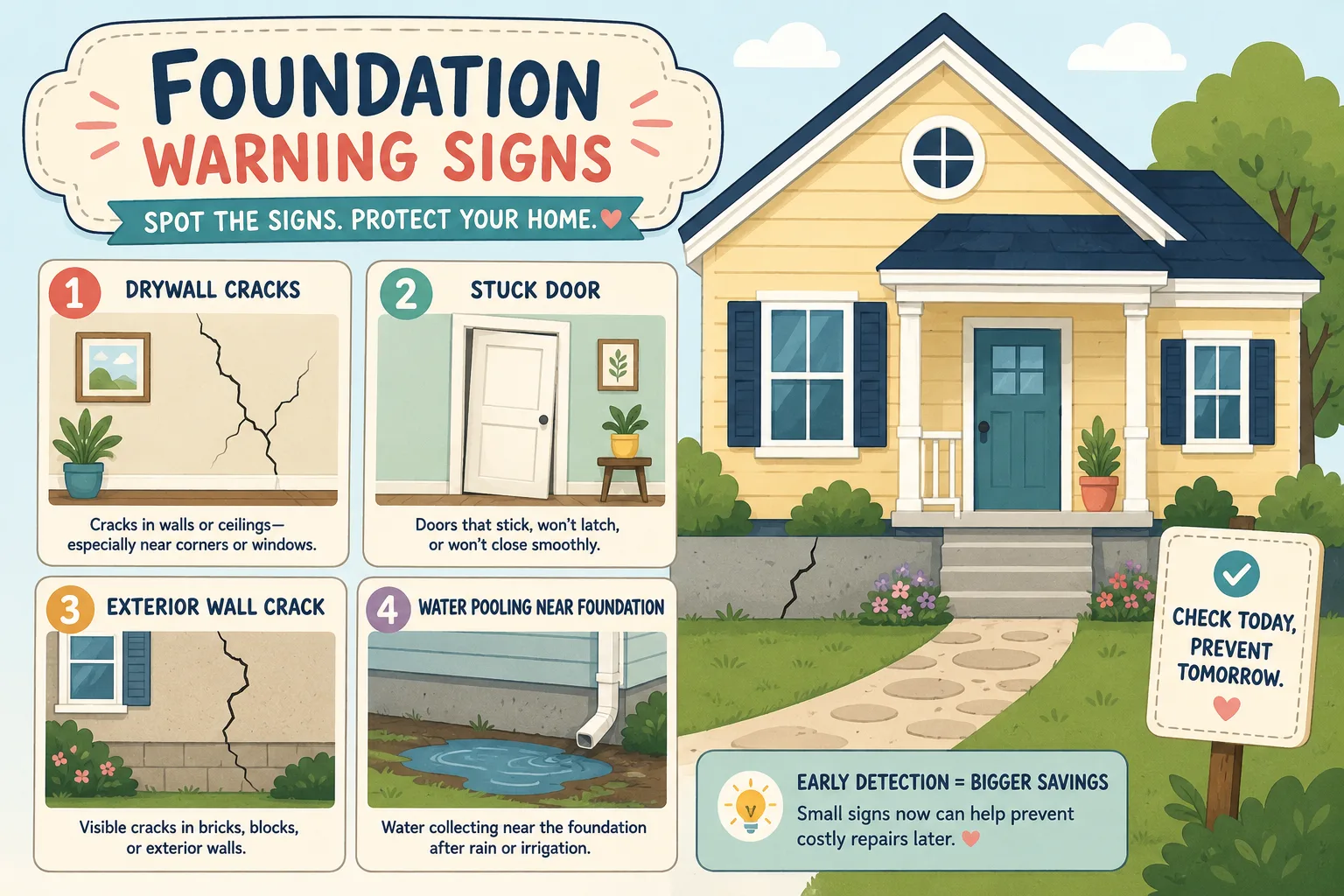
Foundation problems frequently reveal themselves inside the home long before exterior damage becomes obvious. One of the most common warning signs is doors or windows suddenly sticking or refusing to close properly. As the foundation shifts, framing components become misaligned.
Cracks in drywall are another common indicator. Diagonal cracks extending from door corners or ceiling joints often suggest structural movement rather than simple cosmetic settling. Uneven floors may also become noticeable over time. Some homeowners first recognize foundation issues when furniture starts wobbling unexpectedly or balls roll across the floor on their own.
Cabinets separating from walls, cracked tile flooring, and gaps around trim pieces are additional red flags. While individual symptoms may not always indicate severe damage, multiple warning signs appearing together should never be ignored.
Exterior Warning Signs
Exterior foundation problems are often easier to identify visually. Stair-step cracks in brick siding, leaning chimneys, and visible foundation cracks are all common indicators of settlement issues. Gaps between exterior walls and window frames may also suggest shifting structural loads.
Water pooling near the foundation after rainfall is another major concern. Persistent standing water accelerates soil instability and increases hydrostatic pressure around basement walls. Homeowners should also watch for soil erosion, exposed footings, or vegetation growing unusually close to the foundation.
When Cracks Become Serious
Not all cracks are dangerous, but some require immediate attention. Hairline shrinkage cracks in concrete are relatively common and often harmless. Larger cracks wider than one-quarter inch, especially horizontal or stair-step patterns, may indicate significant structural stress.
Horizontal cracks in basement walls deserve particular concern because they can signal pressure buildup from saturated soil. Bowing walls, rapidly widening cracks, or visible displacement between concrete sections should be evaluated by a structural engineer promptly.
Maintenance Practices That Extend Foundation Life
Drainage and Gutter Maintenance
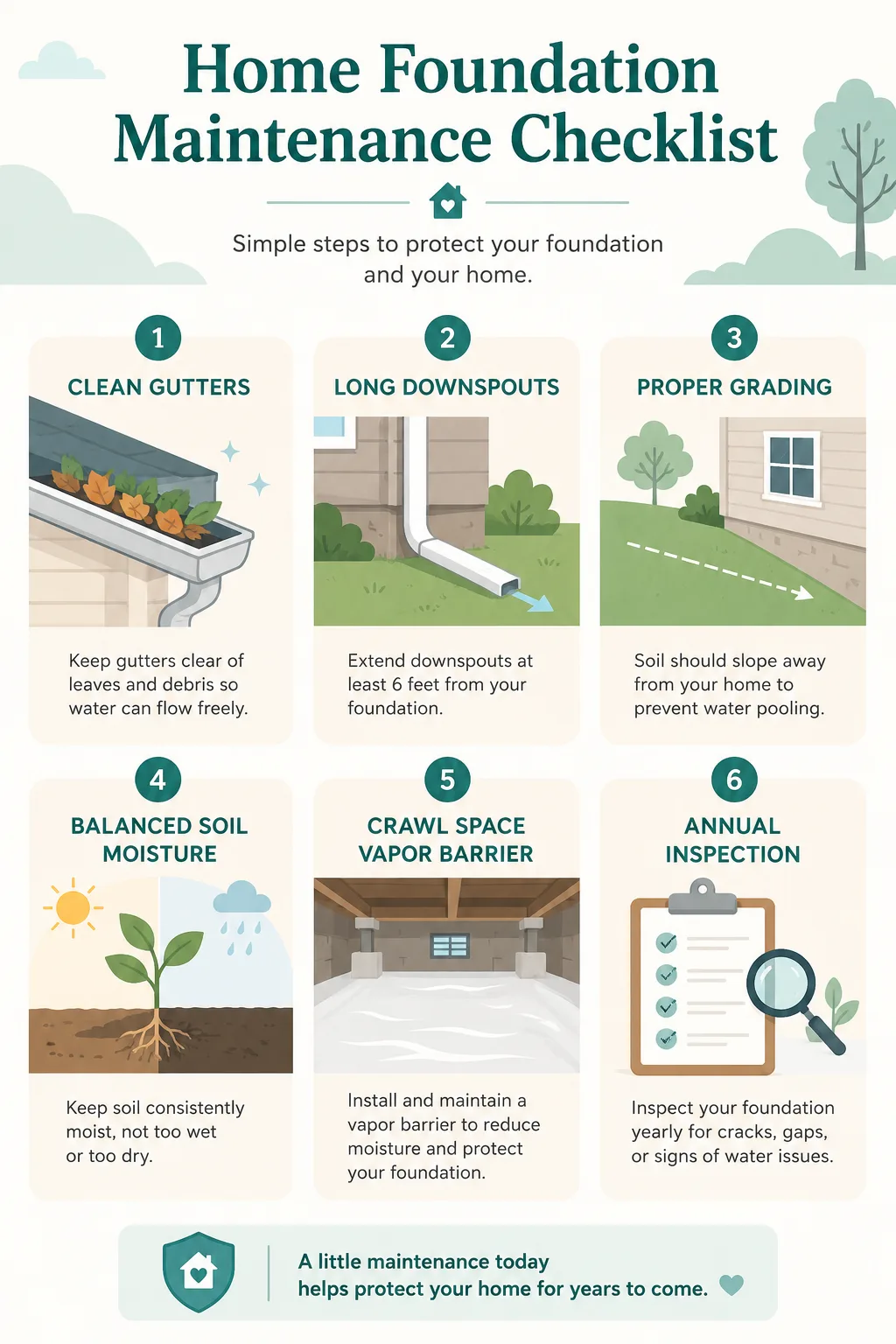
If there is one maintenance practice that consistently extends foundation lifespan, it is proper water management. Gutters and downspouts should direct water several feet away from the home. Clogged gutters overflow near the foundation and saturate surrounding soil.
The grading around the property should slope gently away from the structure so water naturally drains outward rather than pooling near the walls. French drains, sump pumps, and drainage swales may also help control excessive moisture in problematic areas.
Routine inspections after heavy rainstorms are extremely valuable. Homeowners should pay attention to standing water, erosion patterns, and signs of moisture intrusion. Catching drainage issues early often prevents expensive structural repairs later.
Moisture Control Around the Home
Maintaining balanced soil moisture helps minimize expansion and contraction beneath the foundation. During severe drought conditions, overly dry soil may shrink dramatically. Controlled watering around the perimeter can sometimes reduce soil movement in expansive clay regions.
Crawl spaces benefit greatly from vapor barriers and dehumidifiers. Basements require waterproofing systems and humidity control to prevent mold growth and concrete deterioration. Plumbing leaks should always be repaired quickly because even slow leaks can destabilize supporting soil over time.
Annual Foundation Inspections
Foundations rarely fail overnight. Most problems develop slowly and provide warning signs long before catastrophic damage occurs. Annual inspections allow homeowners to track changes and address minor issues before they escalate.
Professional inspections may include crack measurements, elevation readings, moisture testing, and drainage evaluations. Even homeowners performing basic visual checks can identify early warning signs that justify further evaluation.
When Foundation Replacement Becomes Necessary
Repair vs Full Replacement
Foundation replacement is usually considered the last resort. Most foundation problems can be stabilized through repairs such as underpinning, pier installation, crack injections, drainage correction, or slab leveling. Replacement becomes necessary when structural deterioration is so extensive that repairs no longer provide reliable long-term stability.
Severe foundation failure may involve widespread cracking, major settlement, collapsing walls, or extensive soil instability beneath the structure. In some cases, the cost of repeated repairs eventually exceeds the value of full replacement.
The decision often depends on home value, repair costs, and long-term safety concerns. Structural engineers typically evaluate whether stabilization remains feasible before recommending complete replacement.
Costs and Long-Term Considerations
Foundation replacement is one of the most expensive residential construction projects homeowners can face. Costs frequently range from tens of thousands to well over one hundred thousand dollars depending on home size, accessibility, and foundation type.
Repair costs vary widely as well. Minor crack repairs may cost a few hundred dollars, while major underpinning projects can exceed $20,000 or more. The earlier problems are addressed, the less expensive repairs usually become.
For homeowners planning long-term property ownership, proactive maintenance almost always delivers the best financial outcome. A well-maintained foundation protects resale value, structural safety, and peace of mind.
Conclusion
A house foundation is designed to last for decades, and in many cases, over a century. Concrete slab foundations typically survive 50 to 100 years, crawl spaces often last 40 to 80 years, and basement foundations may endure 80 to 150 years when properly maintained. Yet those numbers are not guarantees carved into stone. Soil movement, drainage problems, climate conditions, moisture imbalance, and construction quality all influence how well a foundation ages over time.
The encouraging reality is that homeowners have significant control over foundation longevity. Proper drainage, moisture management, regular inspections, and early repairs can dramatically reduce structural risk. Most serious foundation failures begin as small, manageable issues that worsen through neglect.
A foundation may sit quietly beneath your home, but it deserves attention and respect. After all, every wall, floor, and roof above depends entirely on the strength below.
Explore More: Step-by-Step Guide on How to Put Ceramic Tile on Concrete
FAQs
1. Can a house foundation last 100 years?
Yes, many foundations can last 100 years or longer if they are properly built and maintained. Basement and reinforced concrete foundations are especially durable when protected from moisture and soil instability.
2. What is the most durable foundation type?
Full basement foundations and reinforced poured concrete systems are generally considered the most durable residential foundation types because of their strength and deep structural support.
3. Are foundation cracks always serious?
No. Small hairline cracks are common in concrete and may result from normal settling. Large horizontal cracks, widening gaps, or stair-step brick cracks are more concerning and should be inspected professionally.
4. How can I extend the life of my foundation?
Proper drainage, clean gutters, stable soil moisture, regular inspections, and fast plumbing leak repairs are some of the best ways to extend foundation lifespan.
5. How much does foundation replacement cost?
Foundation replacement costs vary widely depending on the home size and foundation type, but major projects often range from $20,000 to over $100,000.