

Property management companies are supposed to make life easier for tenants, landlords, and homeowners. They collect rent, maintain properties, respond to repairs, enforce lease agreements, and manage communication. But what happens when the company itself becomes the problem? Maybe maintenance requests are ignored for months. Maybe hidden fees suddenly appear on your statement. Maybe you are dealing with harassment, discrimination, or unsafe living conditions. In those moments, filing a complaint is not just an option; it becomes a way to protect your rights and hold the company accountable.
The good news is that tenants and property owners are not powerless. Consumer protection agencies, housing authorities, state real estate boards, and courts all exist to help resolve disputes when property managers cross legal or ethical lines. Recent federal attention on deceptive rental practices has also increased awareness around tenant protections. In 2026, the Federal Trade Commission continued cracking down on misleading rental pricing and hidden housing fees, signaling stronger oversight of the rental housing industry.
Before jumping into legal action or angry emails, though, it is important to understand the correct process. Filing an effective complaint requires preparation, evidence, patience, and strategy. Think of it like building a case brick by brick. The stronger your foundation, the harder it becomes for the management company to ignore your concerns.
Understanding the Role of Property Management Companies
Property management companies act as the bridge between property owners and tenants. They oversee daily operations, handle maintenance, collect payments, enforce lease terms, and ensure the property complies with housing regulations. In theory, they should make renting smoother and more organized. A good property manager can feel like a reliable referee in a sports match; keeping everything fair, balanced, and under control. A bad one, on the other hand, can turn even a decent property into a stressful nightmare.
Most management companies are legally obligated to provide habitable living conditions, accurate financial records, fair treatment, and timely responses to tenant concerns. Landlords who hire these companies also expect transparency, proper bookkeeping, and ethical handling of their investments. Problems begin when the company neglects those responsibilities. Maybe repairs never happen. Maybe rent payments are mishandled. Maybe tenants are charged unexplained fees or threatened unfairly. These issues can quickly escalate from frustrating inconveniences into serious legal violations.
Recent government attention shows how widespread these concerns have become. The Federal Trade Commission recently warned property management software providers and housing companies against misleading rental pricing practices and hidden mandatory fees. This increased scrutiny highlights a growing demand for accountability within the housing industry.
Understanding what a property management company is supposed to do helps you identify when something is going wrong. You cannot effectively file a complaint unless you first recognize that the company has failed to meet its legal or contractual obligations. That awareness becomes the foundation of every successful complaint.
Understanding Your Legal Rights as a Tenant or Property Owner
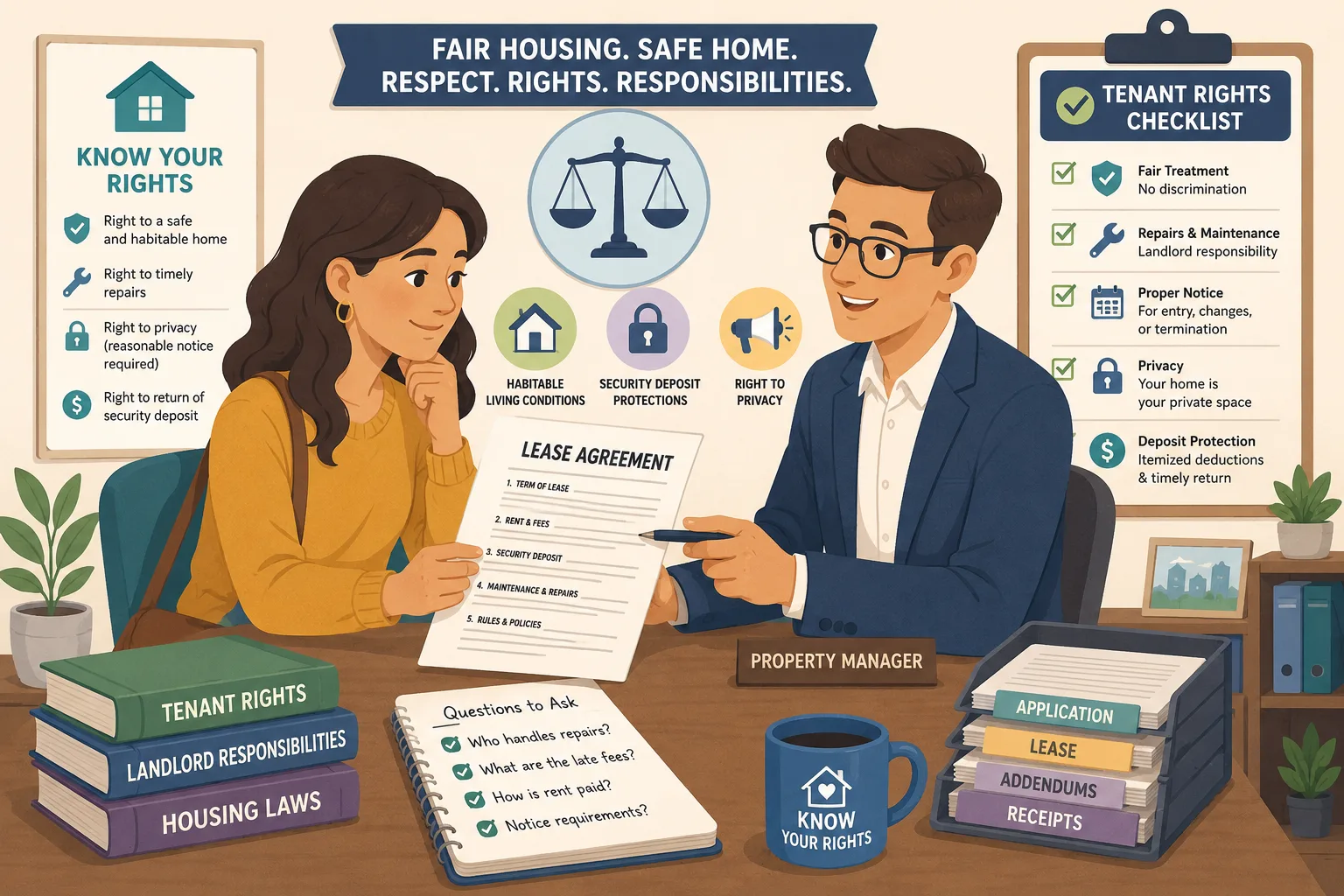
One of the biggest mistakes people make is assuming they have no legal power against large property management firms. In reality, tenants and property owners often have more rights than they realize. Federal, state, and local housing laws exist specifically to prevent abuse, unsafe living conditions, discrimination, and deceptive practices. Knowing these rights is like carrying a flashlight into a dark tunnel; you suddenly see paths and protections that were invisible before.
Federal laws such as the Fair Housing Act prohibit discrimination based on race, religion, national origin, disability, family status, or sex. Many states also have additional tenant protections covering rent increases, eviction notices, privacy rights, and repair obligations. If a management company enters your property without proper notice, ignores dangerous living conditions, or retaliates after you file a complaint, they may be violating housing laws.
Your lease agreement is another powerful document. Many renters treat leases like boring paperwork, but legally, it functions as a binding contract. Every promise written inside matters. If the property manager fails to provide services outlined in the lease; such as maintenance, amenities, or utilities; you may have grounds for formal action. Property owners working with management companies should also review management agreements carefully to identify breaches involving finances, reporting, or maintenance responsibilities.
Consumer complaint trends across multiple industries continue to rise in the United States. According to the Consumer Financial Protection Bureau’s 2025 annual report, millions of complaints were filed against companies over unfair business practices and consumer issues. While property management complaints specifically may involve housing agencies instead of the CFPB, the broader trend shows that consumers are becoming more willing to challenge companies that fail to act responsibly.
Identifying Valid Reasons to File a Complaint
Not every disagreement deserves a formal complaint. Sometimes conflicts come from misunderstandings, delays, or communication breakdowns. But there are clear situations where filing a complaint becomes necessary. The key is distinguishing between minor frustrations and actual misconduct. Think of it like smoke in a kitchen; sometimes it is harmless steam, but sometimes it signals a dangerous fire.
One of the most common reasons people complain about property management companies involves maintenance and safety issues. Broken plumbing, mold growth, pest infestations, electrical hazards, heating failures, and unsafe structural conditions are not just inconveniences. In many jurisdictions, they are violations of housing standards. If repeated maintenance requests are ignored, tenants may have strong grounds for legal action.
Financial misconduct is another major category. Hidden fees, incorrect charges, withheld security deposits, inaccurate accounting, and deceptive rent advertising have become serious regulatory concerns. The FTC recently intensified enforcement efforts against rental companies accused of misleading consumers about housing costs and mandatory fees. If a management company adds unexpected charges without proper disclosure, you may have grounds for a complaint.
Harassment and discrimination also justify immediate action. Examples include threatening behavior, discriminatory treatment, retaliation after complaints, invasion of privacy, or illegal entry into a unit. No tenant or homeowner should tolerate intimidation simply because they fear losing housing. Documenting these incidents becomes especially important because emotional experiences alone rarely carry enough weight without evidence.
Here is a quick breakdown of common complaint categories:
| Complaint Type | Examples |
|---|---|
| Maintenance Neglect | Mold, leaks, broken heating, unsafe wiring |
| Financial Misconduct | Hidden fees, deposit withholding, false charges |
| Communication Issues | Ignored requests, misleading statements |
| Privacy Violations | Illegal entry, surveillance concerns |
| Discrimination | Unequal treatment based on protected status |
| Harassment | Threats, intimidation, retaliation |
Understanding which category your issue falls into helps determine the best agency or legal path for your complaint.
Gathering Evidence Before Filing a Complaint
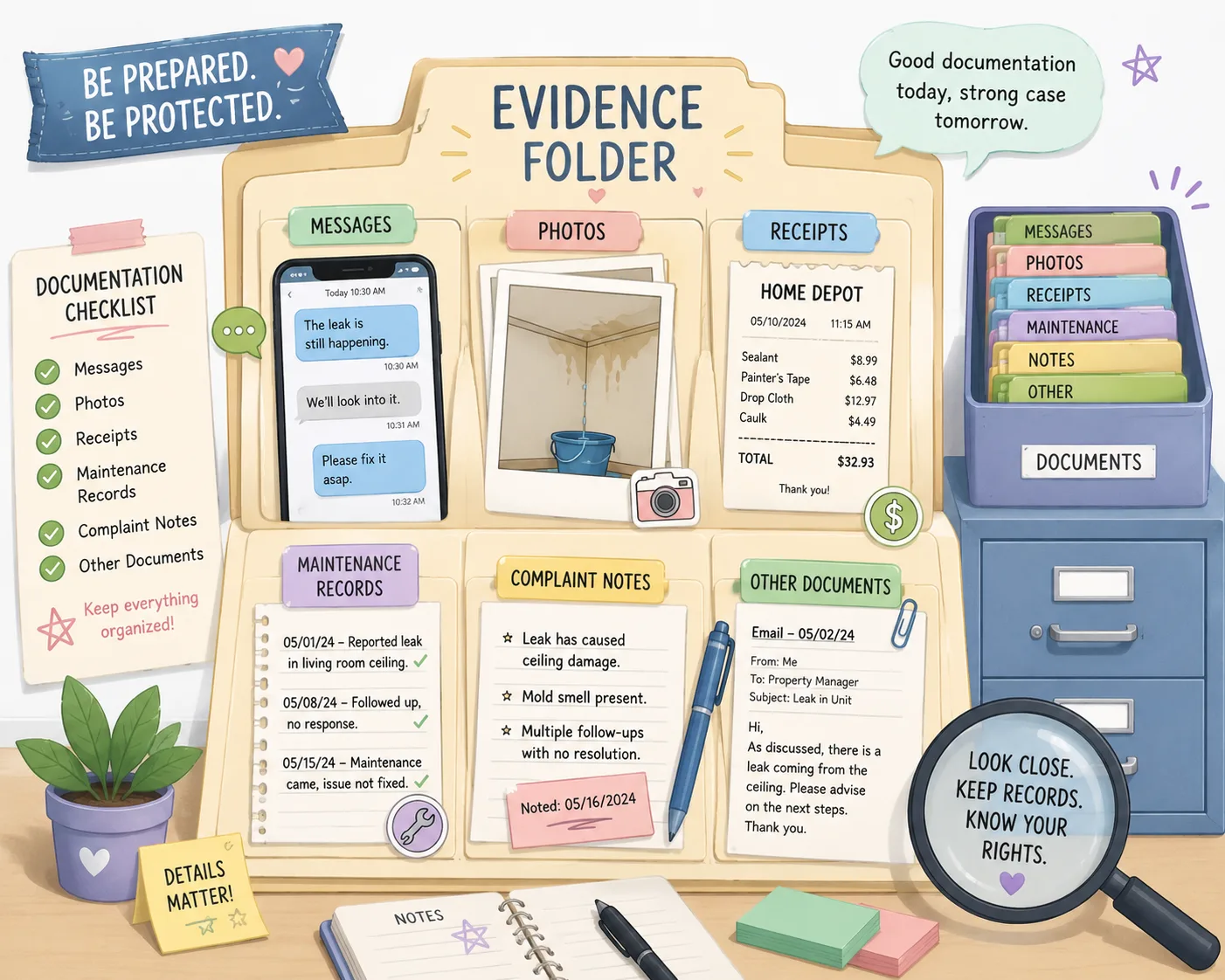
Evidence is everything. Without proof, even legitimate complaints can collapse under scrutiny. Imagine trying to build a house without bricks; that is what filing a complaint without documentation feels like. Property management companies often maintain their own records, emails, and legal teams. If you want your complaint taken seriously, you need organized and credible evidence.
Start by documenting every interaction. Save emails, text messages, maintenance requests, invoices, notices, and receipts. Keep a written timeline of events with dates and details. If you make phone calls, record the date, time, and summary of the conversation immediately afterward. This may sound tedious, but detailed records can become incredibly valuable later.
Photos and videos are particularly powerful in maintenance disputes. A written complaint about mold may be ignored, but timestamped photos showing spreading black mold on walls create undeniable visual evidence. Videos can also demonstrate leaks, broken appliances, unsafe stairs, or pest infestations. Witness statements from neighbors, contractors, or other tenants can further strengthen your case.
Financial documentation matters just as much. Save copies of lease agreements, payment receipts, bank records, invoices, and notices related to fees or charges. Hidden fees and deceptive pricing practices have become major regulatory concerns in the housing industry. Organized financial evidence helps prove whether charges were unauthorized or misleading.
One of the smartest strategies is creating a digital complaint folder. Store scanned documents, screenshots, photos, and communication records in chronological order. Cloud storage platforms make this easy and secure. If the dispute escalates to court or a government agency, having immediate access to organized records can dramatically strengthen your position.
Attempting to Resolve the Issue Informally
Before filing formal complaints, it is usually wise to attempt informal resolution first. Courts, agencies, and housing boards often prefer seeing evidence that you tried to solve the issue reasonably. Besides, some conflicts genuinely result from poor communication rather than intentional misconduct. A calm and professional approach can sometimes fix problems faster than legal escalation.
The biggest mistake people make during disputes is letting emotions take over communication. Angry messages filled with insults or threats may feel satisfying in the moment, but they can weaken your credibility later. Instead, communicate clearly, professionally, and directly. Focus on facts rather than emotions. Explain the issue, reference relevant lease terms or laws, and request a specific solution.
For example, instead of writing, “You people never fix anything and this place is disgusting,” write something like, “I submitted maintenance requests regarding the leaking ceiling on March 3 and March 12. The issue remains unresolved, and water damage appears to be worsening. I request repairs within seven business days.”
Written notices are especially important because they create official records. Certified mail or email with delivery confirmation provides proof that the company received your concerns. In many legal disputes, proving that the company was properly notified becomes a critical factor.
Sometimes property managers respond quickly once they realize you are organized and informed. Companies often ignore vague verbal complaints but react differently when presented with detailed written evidence. Like a chess player preparing for every move, your professionalism signals that you understand your rights and are prepared to escalate if necessary.
Filing a Formal Complaint Against a Property Management Company
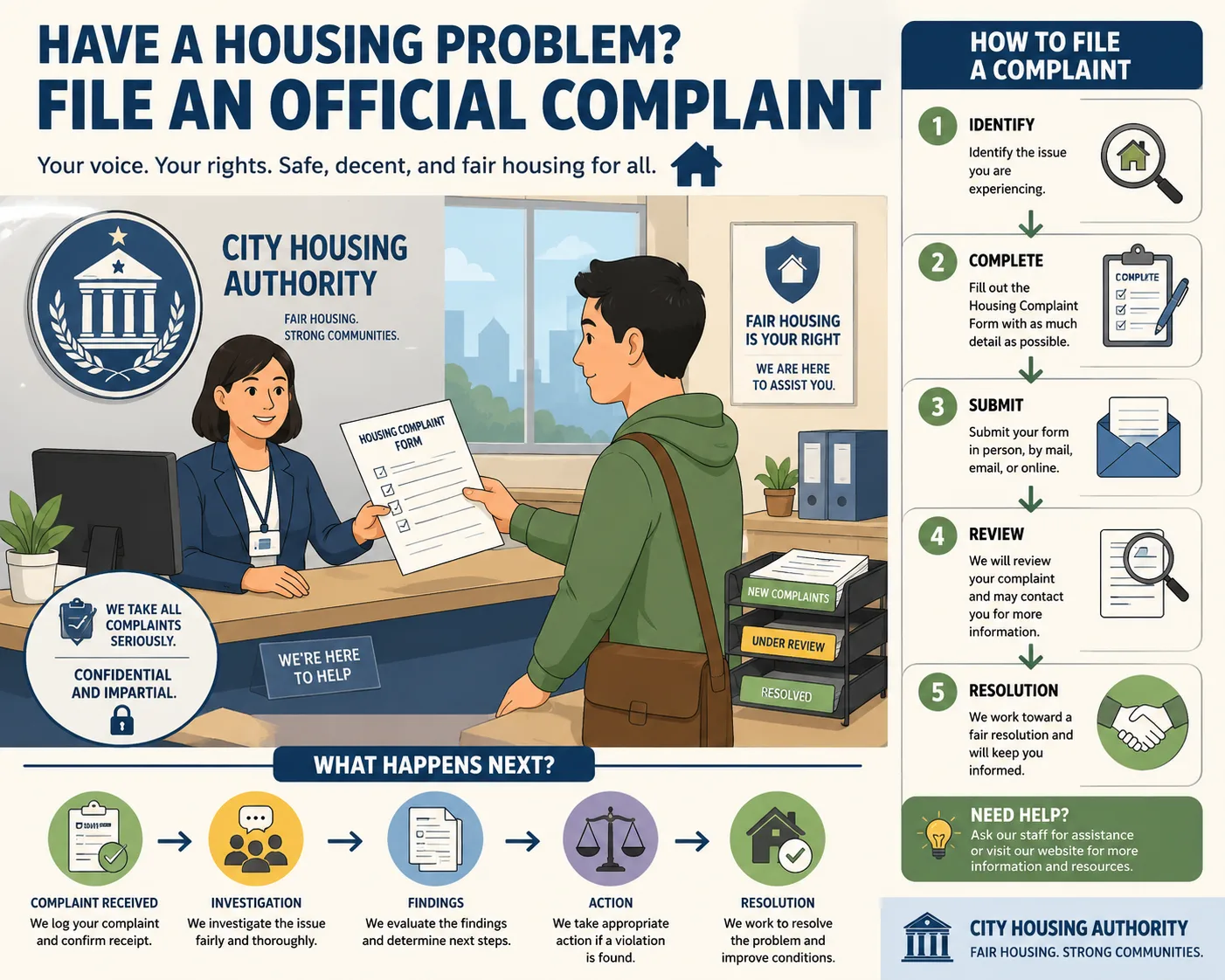
If informal efforts fail, it is time to move into formal complaint procedures. This stage requires strategy because different organizations handle different types of complaints. Filing with the wrong agency wastes valuable time. Think of it like choosing the correct courtroom door; each one leads to a different authority and process.
Start by filing a complaint directly with the property management company itself. Many larger companies have corporate complaint departments or escalation teams. Submit your complaint in writing and include copies of supporting evidence. Be concise, factual, and specific about what resolution you want.
If the issue involves housing safety or building code violations, contact your local housing authority or city code enforcement department. These agencies can inspect properties and issue citations for unsafe conditions. Problems involving mold, heating failures, structural hazards, or sanitation often fall under their authority.
Consumer protection agencies may also help. The Federal Trade Commission has increasingly focused on deceptive rental practices and hidden fees within the housing industry. State consumer protection offices and attorney general offices often investigate unfair business practices as well.
For licensed property managers, state real estate boards can be especially effective. Many states require property managers to maintain professional licenses. Complaints involving fraud, unethical conduct, financial mismanagement, or professional misconduct may trigger disciplinary investigations.
Here are some common complaint channels:
| Agency or Organization | Best For |
|---|---|
| Local Housing Authority | Unsafe housing conditions |
| State Real Estate Board | Licensing and ethical violations |
| Consumer Protection Agency | Deceptive fees or fraud |
| Attorney General Office | Serious misconduct or scams |
| Small Claims Court | Financial disputes |
| HUD | Housing discrimination complaints |
Formal complaints work best when supported by detailed evidence, clear timelines, and professional communication. Agencies handle thousands of complaints yearly, so clarity and organization help your case stand out.
Escalating the Matter Legally
Sometimes complaints alone are not enough. If the property management company continues ignoring the issue, retaliates, or causes significant financial harm, legal escalation may become necessary. This step sounds intimidating, but many disputes are resolved without dramatic courtroom battles. Often, the mere presence of legal pressure changes the company’s behavior quickly.
Small claims court is one of the most accessible legal tools for tenants and property owners. It allows individuals to seek compensation for damages without hiring expensive attorneys in many cases. Security deposit disputes, repair reimbursement claims, and unauthorized fees commonly appear in small claims court. The process is usually faster and simpler than higher courts.
For larger disputes involving discrimination, severe negligence, harassment, or substantial financial losses, consulting an attorney may be necessary. Housing lawyers can explain local laws, evaluate your evidence, and determine whether you have a strong legal case. Some tenant advocacy organizations also provide free or low-cost legal support.
Timing matters during legal escalation. Waiting too long can weaken your case because statutes of limitations vary by state. Delayed complaints may also make evidence harder to collect. If the issue involves dangerous living conditions or discrimination, immediate legal consultation is often the safest route.
The broader regulatory environment surrounding consumer complaints continues evolving. Government agencies are increasingly examining deceptive housing practices, especially hidden rental fees and misleading advertising. This growing attention may create stronger protections for renters and property owners in the coming years.
Legal action should never be used recklessly, but it remains an important option when management companies refuse accountability. Sometimes accountability only appears when consequences become real.
Preventing Future Conflicts With Property Management Companies

The best complaint is often the one you never have to file. While conflicts cannot always be avoided, smart preparation dramatically reduces the chances of serious disputes. Choosing a property management company or rental property should involve the same caution you would use when buying a car; you inspect carefully before signing anything.
Start by researching the company thoroughly. Read online reviews, check state licensing records, and search for complaint histories with consumer agencies. Patterns matter. One angry review may mean little, but repeated complaints about hidden fees, maintenance neglect, or unresponsive communication should raise red flags immediately.
Always read lease agreements and management contracts carefully before signing. Hidden clauses involving fees, maintenance responsibilities, penalties, or entry rights often become future sources of conflict. Ask questions about anything unclear. If a company avoids giving direct answers, that alone may reveal potential problems.
Good communication habits also prevent misunderstandings from escalating. Submit maintenance requests in writing, keep copies of notices, and document important conversations. Think of documentation like insurance; you hope you never need it, but you are grateful when problems arise.
Building respectful communication can help too. Property managers deal with difficult situations daily, and cooperative relationships sometimes lead to faster solutions. That does not mean tolerating abuse or neglect. It simply means balancing professionalism with firmness.
Consumer awareness around rental practices continues growing nationwide. The FTC’s increased focus on deceptive housing fees and pricing transparency reflects broader public frustration with unfair management practices. Staying informed about your rights and responsibilities remains one of the strongest tools you have as a tenant or property owner.
Conclusion
Filing a complaint against a property management company can feel overwhelming at first, especially when you are already dealing with stress, unsafe conditions, or financial pressure. But effective complaints are not built on anger alone; they are built on preparation, evidence, and persistence. Understanding your rights, documenting issues carefully, communicating professionally, and using the correct complaint channels dramatically improve your chances of success.
Property management companies hold significant responsibility over people’s homes, finances, and quality of life. When they fail to meet those responsibilities, tenants and property owners have every right to demand accountability. Whether the issue involves ignored repairs, deceptive fees, harassment, or contract violations, there are formal systems designed to protect consumers and enforce fair housing standards.
The process may take time, and results are not always immediate. Still, organized complaints create pressure, generate records, and often force companies to respond more seriously. Like steady drops of water wearing through stone, persistence matters. The more informed and prepared you are, the stronger your position becomes.
FAQs
1. Can I file a complaint against a property management company without a lawyer?
Yes. Many complaints can be filed directly through housing authorities, consumer protection agencies, or state real estate boards without hiring a lawyer. Small claims court is also designed for individuals representing themselves in smaller financial disputes.
2. What evidence should I collect before filing a complaint?
You should collect lease agreements, emails, text messages, payment receipts, photos, videos, maintenance requests, notices, and written timelines of events. Organized documentation significantly strengthens your complaint.
3. Where do I report unsafe living conditions?
Unsafe living conditions should typically be reported to your local housing authority, health department, or city code enforcement office. Serious hazards may also justify legal action.
4. How long does it take to resolve a property management complaint?
Resolution times vary widely. Some complaints are resolved within days through direct communication, while formal investigations or legal disputes may take several months.
5. Can a property manager retaliate against me for filing a complaint?
In many jurisdictions, retaliation against tenants for legitimate complaints is illegal. Examples include unfair eviction attempts, harassment, or service reductions after a complaint is filed.