
A bright smile has quietly become one of the strongest visual signals of health, confidence, and self-care. Whether you are hopping on video calls, taking selfies, attending interviews, or simply chatting face-to-face, your teeth are often one of the first things people notice. That does not mean everyone needs movie-star white teeth, but it does explain why millions of people search for ways to whiten their teeth quickly at home. According to dental experts and consumer reports, demand for at-home whitening products has increased dramatically over the last few years as people look for affordable alternatives to professional treatments.
The interesting part is that many people think whitening is only about beauty, but psychology tells a different story. Studies around self-image consistently show that people who feel confident about their smile tend to smile more often, appear more approachable, and even feel more comfortable in social settings. Think about your smile like the lighting in a room. When it is bright and clean, everything else seems warmer and more inviting. Teeth whitening taps into that emotional effect.
Still, rushing into whitening without understanding how it works can backfire. Social media trends have pushed questionable hacks involving charcoal, lemon juice, and aggressive bleaching techniques that may actually damage enamel. Dentists continue to warn that fast results should never come at the expense of oral health. The safest approach combines realistic expectations, proper techniques, and products backed by science rather than internet hype. That balance is what separates healthy whitening from harmful experimentation.
Understanding Causes of Tooth Discoloration
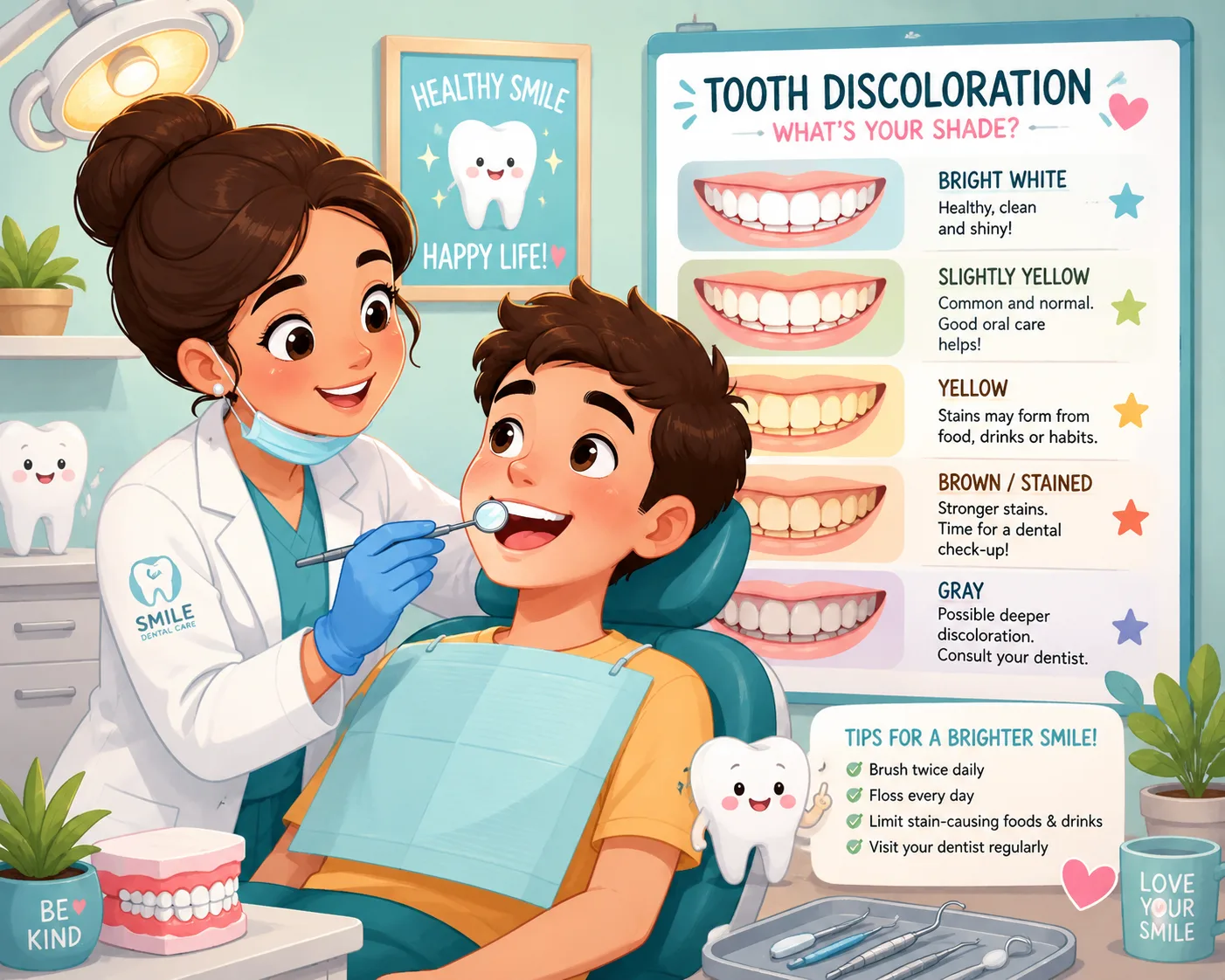
Before trying to whiten your teeth, you need to know why they became discolored in the first place. Tooth stains are not all the same. Some sit on the outer enamel layer, while others develop deep inside the tooth structure. Dental experts generally classify stains into two main categories: extrinsic stains and intrinsic stains.
Extrinsic stains are the most common and usually the easiest to treat at home. These happen on the surface of the teeth and are often caused by coffee, tea, red wine, cola, soy sauce, berries, tobacco, and poor oral hygiene. Imagine enamel like a white T-shirt. Every cup of coffee or puff of smoke leaves behind tiny pigments that slowly soak into the fabric. Over time, the stains build up layer by layer until your teeth look yellow or dull. The good news is that whitening toothpastes, strips, and professional cleanings often work very well against these stains.
Intrinsic stains are more complicated because they develop inside the tooth. Aging naturally causes enamel to thin, allowing the yellow dentin underneath to become more visible. Certain medications, especially tetracycline antibiotics taken during childhood, may also cause deep discoloration. Trauma, excessive fluoride exposure, and some health conditions can create gray, brown, or spotted teeth that are harder to whiten.
Genetics also play a surprisingly large role in tooth color. Some people naturally have thicker enamel that appears brighter, while others inherit slightly yellower tones. That means comparing your smile to heavily edited celebrity photos is not realistic. Whitening can improve most smiles, but every person has a natural shade limit. Understanding this prevents frustration and helps you choose the right whitening approach instead of chasing impossible perfection.
Safe Whitening Methods and Products
Walking through the oral care aisle today can feel overwhelming. Whitening strips, LED kits, gels, charcoal powders, purple toothpaste, whitening pens, and countless DIY remedies all promise instant results. Some actually work. Others mostly work on marketing. Knowing the difference can save your teeth from unnecessary damage.
Whitening toothpaste is often the safest place to start. Most whitening toothpastes rely on mild abrasives or polishing agents that remove surface stains rather than deeply bleaching teeth. Recent reviews published in dental journals suggest whitening dentifrices can effectively reduce external discoloration when used consistently. These products are best for mild yellowing and maintenance after stronger whitening treatments. They are not miracle products, but they are useful for gradual improvement.
Whitening strips and gels remain among the most effective at-home options because they contain hydrogen peroxide or carbamide peroxide. According to the , these ingredients chemically break apart stain molecules inside the tooth structure. Used correctly, whitening strips can noticeably brighten teeth within days. The downside is temporary tooth sensitivity, especially if the strips are overused.
LED whitening kits have exploded in popularity thanks to influencers and online ads. Many combine peroxide gels with blue LED lights that claim to accelerate whitening. Some users report faster cosmetic improvement, though experts note the bleaching ingredient itself does most of the heavy lifting. These kits can be effective, but quality matters. Cheap knockoffs may irritate gums or provide uneven whitening.
Natural remedies deserve extra caution. Baking soda can help remove surface stains in moderation, but acidic ingredients like lemon juice or apple cider vinegar can erode enamel. Charcoal toothpaste may also be overly abrasive when used daily. Whitening should never feel like sanding wood. Once enamel is damaged, it does not grow back.
| Whitening Method | Speed of Results | Effectiveness | Risk Level |
|---|---|---|---|
| Whitening Toothpaste | Slow | Mild | Low |
| Whitening Strips | Fast | High | Moderate |
| LED Whitening Kits | Fast | Moderate to High | Moderate |
| Baking Soda | Moderate | Mild | Low to Moderate |
| Lemon Juice DIY Methods | Fast | Risky | High |
| Professional Whitening | Very Fast | Very High | Low Under Supervision |
Step-By-Step At-Home Whitening Techniques
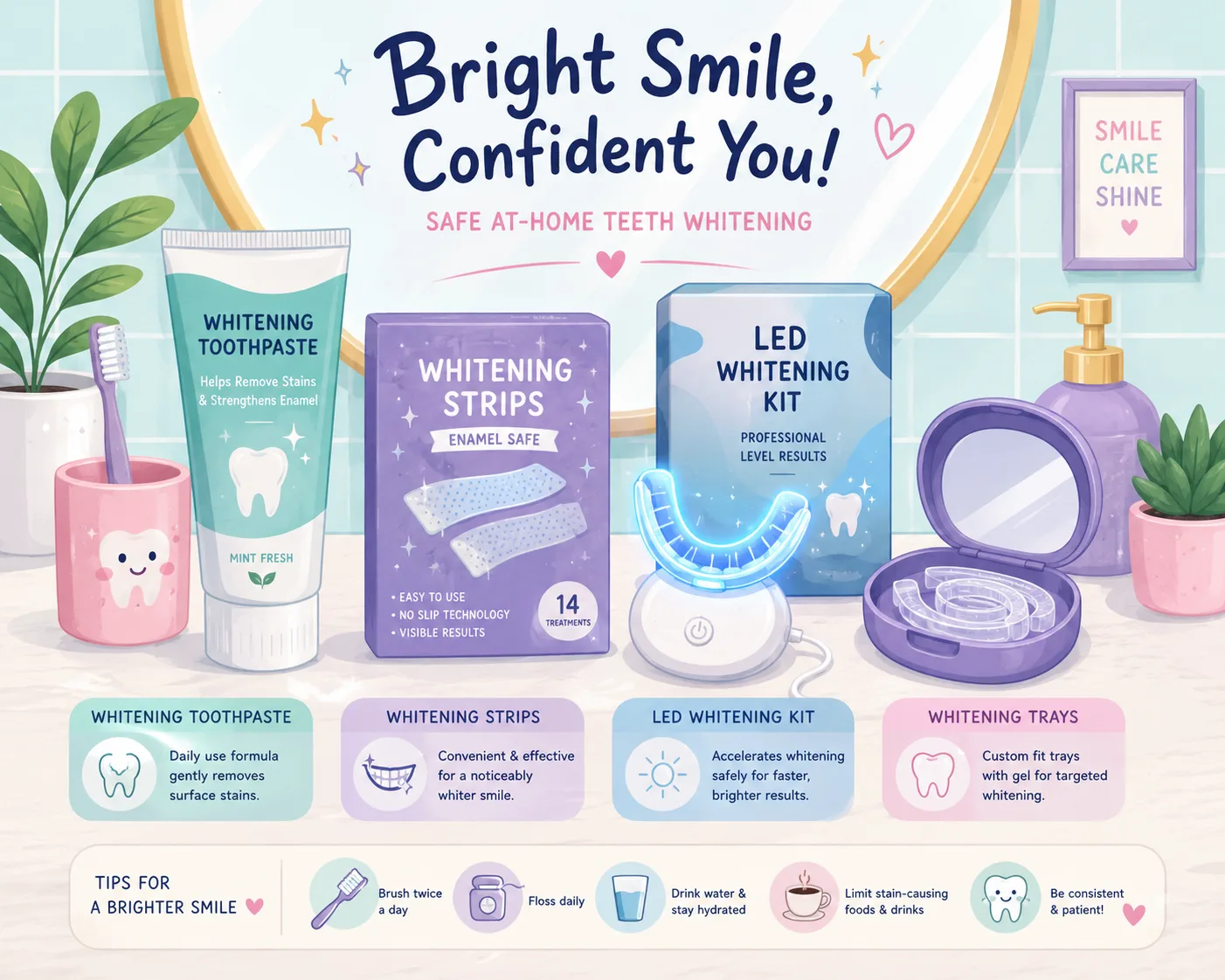
Getting your teeth white fast at home is not about using the strongest bleach possible. It is about using smart, controlled methods consistently. Think of whitening like exercising. Good technique and routine matter more than extreme effort for one day.
Start with the basics: brushing correctly. Most people brush too quickly and too aggressively. Dentists recommend brushing for a full two minutes using gentle circular motions and a soft-bristled toothbrush. Whitening toothpaste works better when it has enough contact time with the enamel. Rushing through your routine is like washing dishes with one quick splash of water and expecting everything to sparkle.
When using whitening strips, always follow package directions carefully. Overusing strips will not magically double your results. It usually doubles your sensitivity instead. Apply strips evenly across dry teeth and avoid overlapping onto the gums. Leaving them on longer than recommended may irritate soft tissue and increase discomfort. Consistency beats intensity here. Most reputable whitening strips show visible results within one week when used properly.
Some people prefer a DIY baking soda and hydrogen peroxide paste. Used occasionally, this can help reduce stains because baking soda acts as a mild abrasive while peroxide helps lift discoloration. Still, moderation is critical. Excessive use can weaken enamel and irritate gums. Dental experts repeatedly warn against aggressive home bleaching trends circulating online. If your teeth start feeling sharp pain or heightened sensitivity, stop immediately.
One of the biggest mistakes people make is whitening dirty teeth. Plaque and tartar block whitening agents from working evenly. Professional dental cleaning before whitening often leads to dramatically better results. Another common mistake involves whitening teeth with untreated cavities or gum disease. Bleaching agents can intensify pain and inflammation in unhealthy teeth. Healthy teeth whiten more safely and more evenly.
Post-Whitening Care and Maintenance
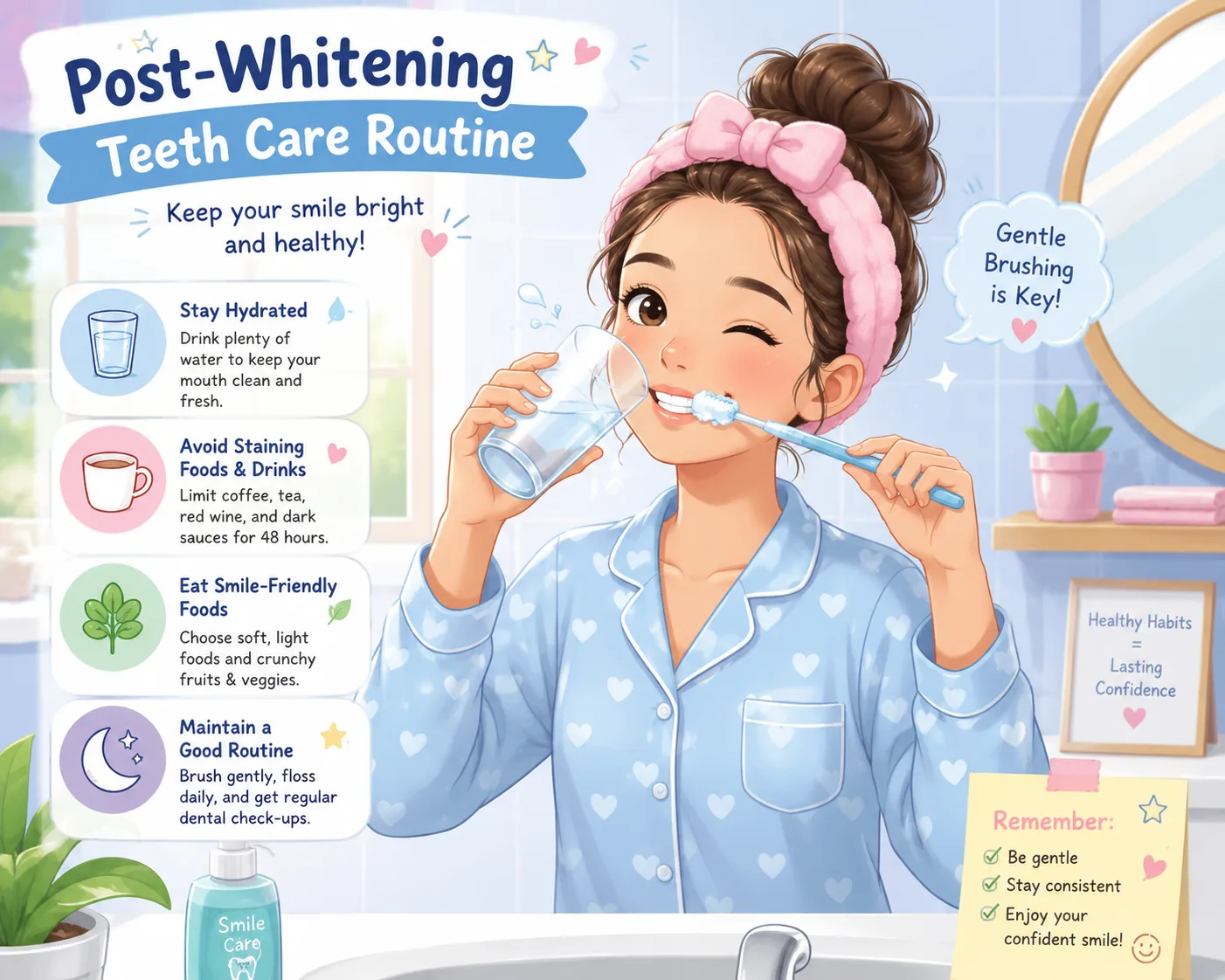
The hours after whitening are incredibly important. Your teeth become temporarily more porous after bleaching, almost like a sponge that can quickly absorb new stains. Dentists often refer to this period as the “white diet” phase because what you eat and drink directly affects how long your whitening lasts.
Dark beverages are the biggest culprits. Coffee, tea, cola, red wine, and deeply pigmented sauces can rapidly stain freshly whitened enamel. If you absolutely cannot skip your morning coffee, using a straw and rinsing your mouth afterward helps reduce exposure. Think of it like protecting a freshly painted wall from splashes before the paint fully dries. The first 24 to 48 hours matter the most.
Tooth sensitivity is another common side effect after whitening. According to dental experts, temporary sensitivity and gum irritation are the most frequently reported whitening complaints. Using toothpaste designed for sensitive teeth can help calm nerve irritation. Avoid extremely hot or cold foods for a couple of days after treatment. Most sensitivity fades quickly when whitening products are used correctly.
Long-term maintenance depends heavily on oral hygiene habits. Brushing twice daily, flossing consistently, and attending regular dental cleanings make a massive difference in how long your results last. Whitening is not permanent because teeth constantly interact with food, drinks, and bacteria. People who neglect routine oral care often find themselves repeating whitening treatments far too frequently.
Hydration also matters more than most people realize. Saliva naturally helps protect enamel and wash away staining compounds. Dry mouth creates a perfect environment for stains to cling to teeth. Drinking enough water throughout the day supports both whitening maintenance and overall oral health. It is one of the simplest yet most overlooked habits for keeping teeth bright.
Lifestyle Tips to Preserve Brightness
Keeping your teeth white is often easier than whitening heavily stained teeth from scratch. Small daily habits create a huge difference over time. Many people focus intensely on whitening products but completely ignore the lifestyle patterns causing the discoloration in the first place.
Smoking is one of the fastest ways to stain teeth. Tobacco contains tar and nicotine that deeply penetrate enamel, leading to yellow or brown discoloration. Even professional whitening struggles against heavy smoking stains if the habit continues daily. Quitting tobacco not only improves your smile but dramatically benefits your gums, breath, and overall health.
Diet also shapes the color of your teeth. Acidic foods weaken enamel, making teeth more vulnerable to staining. Pigmented foods like berries and curry may discolor enamel over time, especially when combined with poor brushing habits. That does not mean you need to eliminate enjoyable foods completely. Balance matters more than perfection. Rinsing with water after meals and brushing regularly significantly reduces stain buildup.
Another underrated habit is using a straw for dark beverages. It sounds simple because it is simple. Less liquid contact with your front teeth means less staining. Professional speakers, actors, and television personalities often use this trick consistently because they understand how quickly coffee and tea can dull whitened teeth.
How often should you whiten? That depends on the method used and your sensitivity level. Over-whitening can damage enamel and create translucent-looking teeth. Most experts recommend limiting stronger whitening treatments to occasional use rather than continuous bleaching cycles. If you feel tempted to whiten every week indefinitely, that is usually a sign your maintenance habits need improvement instead.
Recognizing When to Consult a Dentist
At-home whitening works well for many people, but not every discoloration problem can or should be handled in your bathroom mirror. Certain stains require professional diagnosis because the underlying issue may involve decay, trauma, infection, or enamel damage rather than simple surface staining.
Gray teeth, dark spots, or sudden discoloration in one tooth can indicate internal damage. Trauma sometimes kills the tooth nerve, causing color changes from the inside out. Whitening products alone will not fix that problem and may actually worsen sensitivity. Persistent white patches after whitening may also signal enamel demineralization or uneven bleaching.
People with crowns, veneers, fillings, or bonding should speak with a dentist before whitening. Artificial dental materials do not whiten the same way natural teeth do. This can create mismatched shades where natural teeth brighten while restorations remain darker. A dentist can help plan whitening around existing dental work for more balanced results.
Sensitivity that becomes severe or long-lasting is another warning sign. Mild discomfort is common during whitening, but sharp pain, gum swelling, or lingering sensitivity deserves professional evaluation. Healthy whitening should improve your smile without making daily eating painful.
There is also a point where whitening products simply stop delivering meaningful improvement. Deep intrinsic stains caused by medication, fluorosis, or genetics may require professional bleaching, bonding, veneers, or other cosmetic treatments. A dentist can tell you honestly whether continued whitening is worth it or whether another option would provide better results. Sometimes the smartest move is not stronger bleach but a more tailored solution.
Latest Posts: How Do You Get Your Teeth White Fast at Home Using Safe Methods
Conclusion
Getting your teeth white fast at home is absolutely possible when you combine safe methods, realistic expectations, and consistent habits. The key is understanding why your teeth became discolored in the first place. Surface stains from coffee, smoking, and food often respond well to whitening strips, peroxide gels, and whitening toothpaste. Deeper intrinsic stains may require professional help.
The safest whitening approach always protects enamel while improving brightness gradually. Chasing instant celebrity-level whiteness with harsh DIY hacks usually creates more problems than solutions. Healthy teeth naturally vary in shade, and a bright smile is not about perfection. It is about cleanliness, confidence, and maintaining strong oral health.
If you want lasting results, focus on the habits behind the whitening process. Brush correctly, limit staining foods, stay hydrated, avoid tobacco, and use whitening products responsibly. Your teeth are not just cosmetic accessories. They are living structures that deserve long-term care.
FAQs
1. What is the fastest way to whiten teeth at home?
Whitening strips and peroxide-based LED kits typically provide the fastest visible results at home. Many people notice improvement within a few days when products are used correctly.
2. Is baking soda safe for whitening teeth?
Baking soda can help remove surface stains when used occasionally and gently. Overuse may wear down enamel, so it should not replace regular toothpaste.
3. Why do my teeth look yellow even after brushing daily?
Daily brushing removes plaque but does not fully eliminate intrinsic discoloration, aging effects, or deep stains from coffee, smoking, and certain medications.
4. Can whitening damage tooth enamel?
Over-whitening or using highly abrasive methods can weaken enamel and increase sensitivity. Following instructions carefully helps reduce risks.
5. When should I see a dentist for tooth discoloration?
Consult a dentist if you notice gray teeth, sudden discoloration, pain, white spots, uneven staining, or if at-home whitening products stop working effectively.