

A fire extinguisher might look like a simple red cylinder hanging on the wall, but it is one of the most important safety tools in any home or workplace. When a small fire breaks out, those few seconds before flames spread can make the difference between a quick recovery and a devastating disaster. Many people assume that any extinguisher can put out any fire, but that belief can actually make a dangerous situation worse. Different types of fires require specific extinguishing agents because each fire reacts differently depending on the fuel source involved.
Fire safety organizations such as the U.S. Fire Administration explain that extinguishers are categorized into fire classes based on the materials burning. Fires involving ordinary combustibles like wood, paper, cloth, rubber, and fabric are known as Class A fires. These are among the most common household fires because everyday items like curtains, books, cardboard boxes, furniture, and wooden structures can ignite easily under the right conditions.
The reason fire extinguishers are specialized comes down to chemistry and physics. Fire needs three ingredients to survive: heat, oxygen, and fuel. This is often called the “fire triangle.” Fire extinguishers interrupt this triangle by cooling the fire, removing oxygen, or coating the fuel source. Imagine trying to stop a campfire. Pouring water cools the burning wood, while foam or dry chemicals can smother flames by blocking oxygen. Using the wrong extinguisher, however, can create explosive results. Throwing water on burning cooking oil or energized electrical equipment can spread flames instantly or even cause electrocution.
That is why understanding fire classes and extinguisher ratings is not just helpful; it is critical for personal safety. Homeowners today are increasingly encouraged to keep ABC multipurpose extinguishers because they can handle most common residential fire scenarios. Experts from fire safety organizations also recommend placing extinguishers strategically throughout the house rather than relying on a single unit hidden in a closet.
Understanding Fire Classes and Their Ratings
What Is a Class A Fire?
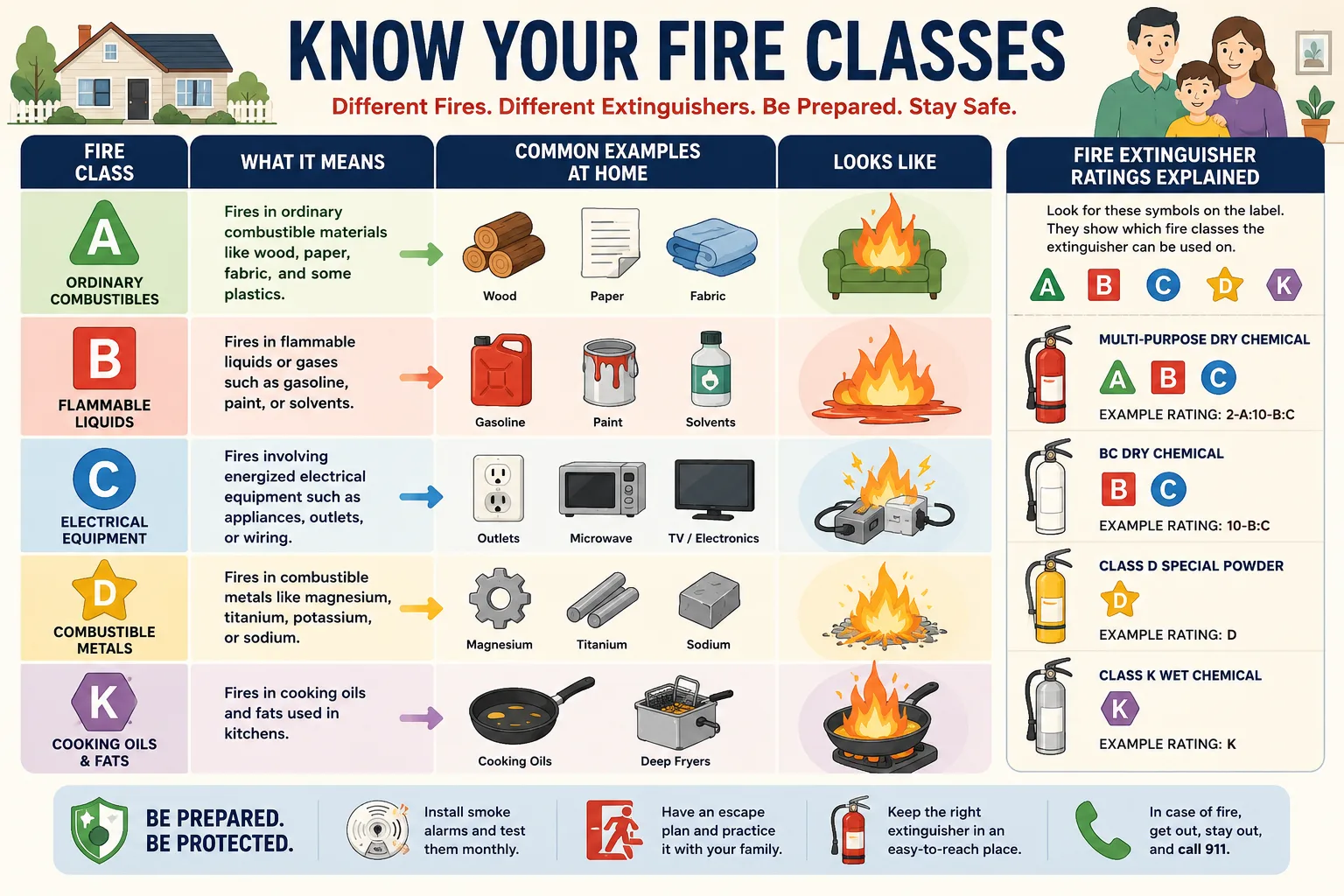
A Class A fire involves ordinary combustible materials such as wood, paper, cloth, cardboard, trash, and fabric. Think about the items surrounding you right now. Your couch, bookshelves, office papers, curtains, and even your wooden dining table all qualify as Class A fuel sources. These fires are common because modern homes contain countless combustible materials packed into relatively small spaces.
Fire experts classify these materials together because they behave similarly during combustion. They leave behind ash after burning, which is one reason the letter “A” is often associated with ordinary combustible ash-producing materials. A spark from faulty wiring, an unattended candle, or an overheated appliance can quickly ignite fabrics or paper products. Once flames spread to wooden furniture or wall framing, fires can grow at terrifying speed.
Differences Between Class A, B, C, D, and K Fires
Understanding fire classes is like understanding different diseases; each requires a different treatment. Here is a quick comparison:
| Fire Class | Fuel Source | Common Examples |
|---|---|---|
| Class A | Ordinary combustibles | Wood, paper, fabric |
| Class B | Flammable liquids | Gasoline, oil, paint |
| Class C | Electrical equipment | Wiring, appliances |
| Class D | Combustible metals | Magnesium, titanium |
| Class K | Cooking oils and fats | Deep fryers, grease fires |
Government fire safety agencies stress that Class A extinguishers are specifically designed for combustible solids, while Class B extinguishers target liquid fires and Class C extinguishers focus on electrical hazards.
Understanding Fire Extinguisher Ratings
Fire extinguishers carry ratings that can seem confusing at first glance. You may see labels such as 2-A:10-B:C or 3-A:40-B:C printed prominently on the cylinder. These numbers and letters indicate the extinguisher’s firefighting capability.
What Numbers Like 2-A:10-B:C Mean
The number before the “A” represents the extinguisher’s equivalent firefighting power compared to gallons of water. For example, a 2-A rating means the extinguisher performs roughly like 2.5 gallons of water against a Class A fire. The larger the number, the greater the extinguishing capacity.
The number before the “B” indicates the approximate square footage of a flammable liquid fire the extinguisher can handle. The “C” means the extinguishing agent is nonconductive and safe for energized electrical equipment.
Experts frequently recommend a 2-A:10-B:C extinguisher for residential use because it balances portability with sufficient suppression power for most homes.
Why Class A Extinguishers Work on Wood, Paper, and Fabric
Class A extinguishers are effective because they target the exact characteristics of combustible solid fires. Wood, paper, and fabrics burn by producing embers and sustained heat. Water-based extinguishers cool these materials below ignition temperature, stopping combustion before flames can reignite.
Picture a campfire after rain. The wood becomes too cool and damp to continue burning. That is essentially how water extinguishers work. They absorb enormous amounts of heat energy while soaking the combustible material. Foam extinguishers add another layer of protection by forming a blanket over the burning surface, helping prevent oxygen from reaching the flames.
Modern homes contain far more synthetic fabrics and engineered wood products than older homes did decades ago. These materials can burn hotter and faster, which is why multipurpose ABC dry chemical extinguishers have become increasingly popular. They are designed to handle not only ordinary combustibles but also electrical and flammable liquid fires. According to home fire safety recommendations, ABC extinguishers are considered the best all-around choice for residential environments.
Common examples of Class A fire hazards include:
- Upholstered furniture
- Bedding and curtains
- Books and office paper
- Wooden cabinets and floors
- Cardboard storage boxes
- Clothing and fabrics
The danger with these materials is that they often exist in clusters. Once one object catches fire, nearby items become fuel. A burning curtain can ignite furniture, which can then spread flames to structural wood framing. Fires involving ordinary combustibles are deceptively dangerous because they can escalate from manageable to catastrophic in minutes.
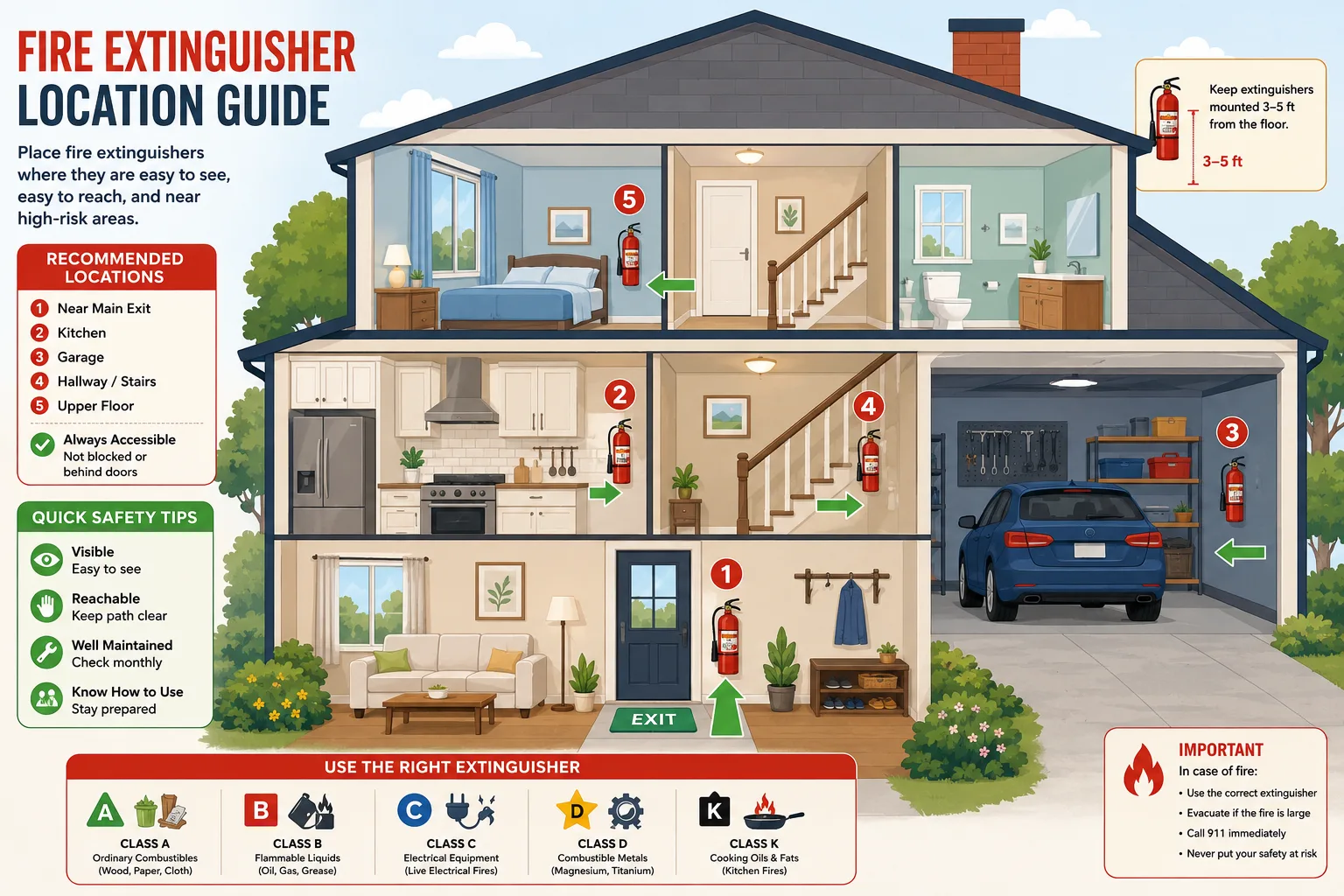
That is why quick access to the correct extinguisher matters so much. Experts consistently advise homeowners to place extinguishers near exits rather than directly beside likely fire sources. This placement allows you to keep an escape route behind you while fighting a small fire.
Types of Fire Extinguishers Suitable for Home Use
Water Fire Extinguishers
Water extinguishers are the traditional solution for Class A fires. They work exceptionally well on wood, paper, and fabric because water cools the burning material effectively. These extinguishers are simple, environmentally friendly, and often affordable. They are commonly found in schools, warehouses, and offices where combustible solids are the primary fire risk.
The downside is that water extinguishers are dangerous around electrical equipment or flammable liquids. Spraying water on burning oil can spread flames explosively, almost like tossing gasoline onto a barbecue grill. Water also conducts electricity, creating shock hazards around live wiring.
ABC Dry Chemical Fire Extinguishers
For modern households, ABC dry chemical extinguishers are widely considered the gold standard. These extinguishers release a fine chemical powder that interrupts the combustion process while smothering flames. They are versatile because they can handle:
- Class A fires involving wood and paper
- Class B fires involving flammable liquids
- Class C fires involving electrical equipment
Fire safety experts and community fire departments strongly recommend ABC extinguishers for general residential protection because homes often contain multiple fire hazards in the same area.
The main drawback is cleanup. Dry chemical residue can be messy and corrosive if left untreated on electronics or metal surfaces. Still, when facing an active fire, most homeowners would gladly choose a mess over losing an entire room.
Foam Fire Extinguishers
Foam extinguishers combine cooling and smothering effects. They are effective against Class A fires and some Class B fires involving liquids. Foam spreads across the burning surface like a fireproof blanket, separating fuel from oxygen.
These extinguishers are common in industrial settings and garages where combustible solids and flammable liquids coexist. While less common in homes than ABC units, foam extinguishers remain valuable for workshops, storage areas, and utility spaces.
Selecting the Right Size and Type for Home Use
Choosing the right extinguisher is a bit like choosing a spare tire. You hope you never need it, but when disaster strikes, having the right size matters enormously. Tiny extinguishers may be lightweight and convenient, but they discharge quickly and may not control a spreading fire long enough for safe evacuation.
Fire departments and safety organizations commonly recommend a 5-pound ABC extinguisher for standard residential use. This size provides a practical balance between portability and extinguishing power. Larger homes, garages, or workshops may benefit from 10-pound extinguishers with higher ratings.
Here is a simple guide for typical home placement:
| Area | Recommended Type |
|---|---|
| Kitchen | ABC or Class K |
| Living Room | ABC |
| Garage | Higher-rated ABC |
| Bedroom Hallway | ABC |
| Workshop | Foam or ABC |
Placement matters just as much as extinguisher type. Experts recommend installing extinguishers:
- Near exits
- On every floor
- In kitchens and garages
- Away from direct heat sources
- In visible, accessible locations
The National Fire Protection Association recommends keeping extinguishers within reach throughout the home and mounting them properly on walls.
One mistake many homeowners make is storing extinguishers under sinks or deep inside closets. During a fire, panic and smoke reduce visibility dramatically. You do not want to waste precious seconds searching for equipment while flames spread.
Proper Techniques for Using a Fire Extinguisher
Owning a fire extinguisher without knowing how to use it is like owning a parachute without learning how to deploy it. In an emergency, stress can cloud judgment and motor skills. That is why firefighters teach the simple PASS method.
Understanding the PASS Method
The PASS technique stands for:
- Pull the safety pin
- Aim at the base of the fire
- Squeeze the handle
- Sweep side to side
This method works because flames themselves are not the real target. The fuel source at the base of the fire is what must be extinguished. Spraying above the flames wastes valuable extinguishing agent.
Fire safety agencies emphasize that extinguishers are only intended for small, contained fires. If flames are spreading rapidly, producing thick smoke, or blocking exits, evacuation should become the priority immediately.
Common Mistakes People Make During Fires
People often make critical errors during emergencies, including:
- Standing too close to flames
- Spraying randomly instead of targeting the base
- Fighting fires with blocked escape routes
- Attempting to extinguish large fires alone
- Using the wrong extinguisher type
One particularly dangerous mistake involves grease fires. Pouring water on burning cooking oil can create explosive flare-ups. The oil instantly vaporizes the water, sending flaming grease outward in all directions. This is why kitchen fires require special care and sometimes specialized extinguishers.
Safety Precautions When Handling Fire
Fire extinguishers are powerful tools, but they are not magical shields against danger. Smoke inhalation alone can become deadly within minutes. Many fires produce toxic gases long before flames become overwhelming. Safety experts consistently remind people that personal survival matters more than property protection.
Situations When You Should Never Fight a Fire
Never attempt to fight a fire if:
- The fire is spreading quickly
- Smoke fills the room
- You do not have a clear exit
- The fire involves hazardous chemicals
- The extinguisher is too small
- You are unsure about the fire type
A fire can double in size incredibly fast. What begins as a small wastebasket fire can engulf an entire room in moments. If you ever feel uncertain, evacuate immediately and call emergency services.
Essential Fire Escape Planning Tips
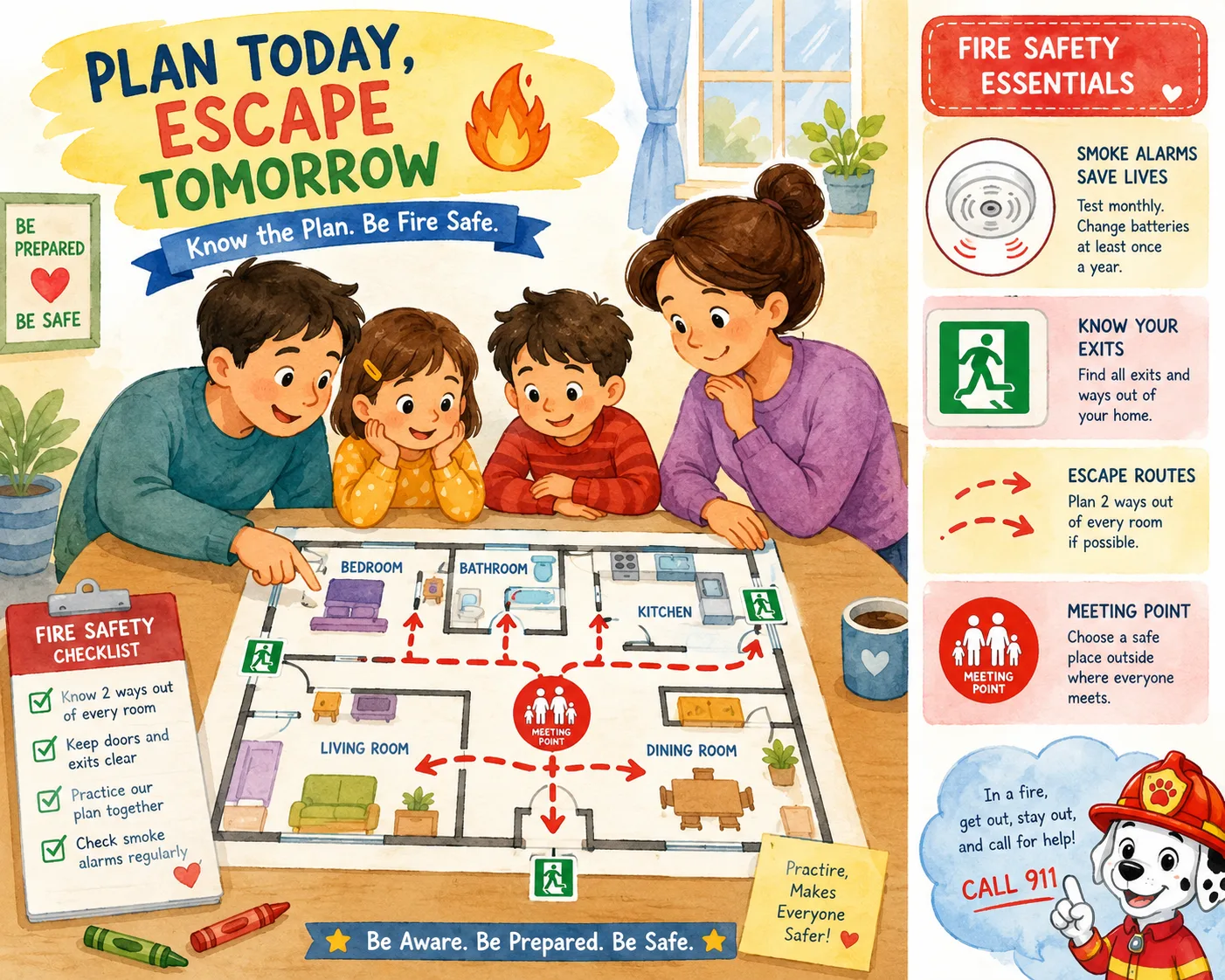
Every household should maintain a fire escape plan. This includes:
- Identifying two exits from each room
- Practicing evacuation drills
- Teaching children emergency procedures
- Keeping emergency numbers accessible
- Installing smoke alarms on every floor
Think of fire preparation like wearing a seatbelt. Most days it feels unnecessary, but during a crisis it becomes invaluable.
Maintenance and Inspection Tips
A neglected extinguisher may fail exactly when needed most. Fire safety experts recommend regular inspection and maintenance to ensure readiness. Surprisingly, many homeowners never check their extinguishers after purchase.
Monthly Inspection Checklist
A quick monthly inspection should include:
- Checking the pressure gauge
- Ensuring the pin is intact
- Looking for corrosion or damage
- Confirming easy accessibility
- Verifying labels remain readable
Experts recommend ensuring the gauge needle stays in the green zone. A low-pressure extinguisher may not discharge properly during an emergency.
When to Replace or Recharge a Fire Extinguisher
Extinguishers must often be replaced or professionally serviced after use. Rechargeable models may require maintenance every few years depending on manufacturer recommendations and local codes. Disposable extinguishers should typically be replaced once expired or discharged.
Signs it may be time for replacement include:
- Missing inspection tags
- Damaged hoses or nozzles
- Rust or corrosion
- Expired manufacture date
- Broken safety seals
Homeowners should also familiarize themselves with local regulations and NFPA recommendations for residential fire safety.
Conclusion
When it comes to fires involving wood, paper, and fabric, the correct extinguisher is typically a Class A fire extinguisher or a multipurpose ABC extinguisher. These extinguishers are specifically designed to combat ordinary combustible materials by cooling, smothering, or interrupting combustion. Understanding fire classes, extinguisher ratings, and proper handling techniques can dramatically improve household safety.
A fire extinguisher should never be treated as decoration hanging on a wall. It is emergency equipment that demands proper selection, placement, maintenance, and training. Choosing the right extinguisher size, positioning units strategically throughout the home, and learning the PASS method all contribute to faster and safer responses during emergencies.
The reality is simple: fires grow fast, panic spreads faster, and preparation saves lives. A properly maintained ABC extinguisher near a clear exit could become the difference between a close call and a devastating tragedy.
FAQs
1. What type of fire extinguisher is best for wood, paper, and fabric fires?
A Class A fire extinguisher is specifically designed for fires involving ordinary combustibles such as wood, paper, and fabric. Many homeowners prefer ABC extinguishers because they also handle electrical and flammable liquid fires.
2. Can I use water on a fabric or paper fire?
Yes, water works effectively on Class A fires involving paper, cloth, and wood. However, never use water on grease fires or electrical fires because it can spread flames or cause electric shock.
3. What does a 2-A:10-B:C rating mean?
The rating indicates the extinguisher’s firefighting capacity. The “2-A” refers to Class A suppression power, “10-B” indicates the size of flammable liquid fire it can handle, and “C” confirms it is safe for electrical equipment.
4. Where should fire extinguishers be placed in a home?
Fire extinguishers should be installed near exits, on every floor, and in high-risk areas like kitchens, garages, and workshops. They should remain visible and easy to access during emergencies.
5. How often should I inspect my fire extinguisher?
You should inspect your extinguisher monthly by checking pressure levels, safety pins, accessibility, and signs of damage or corrosion. Professional servicing schedules depend on the extinguisher type and manufacturer guidelines.