
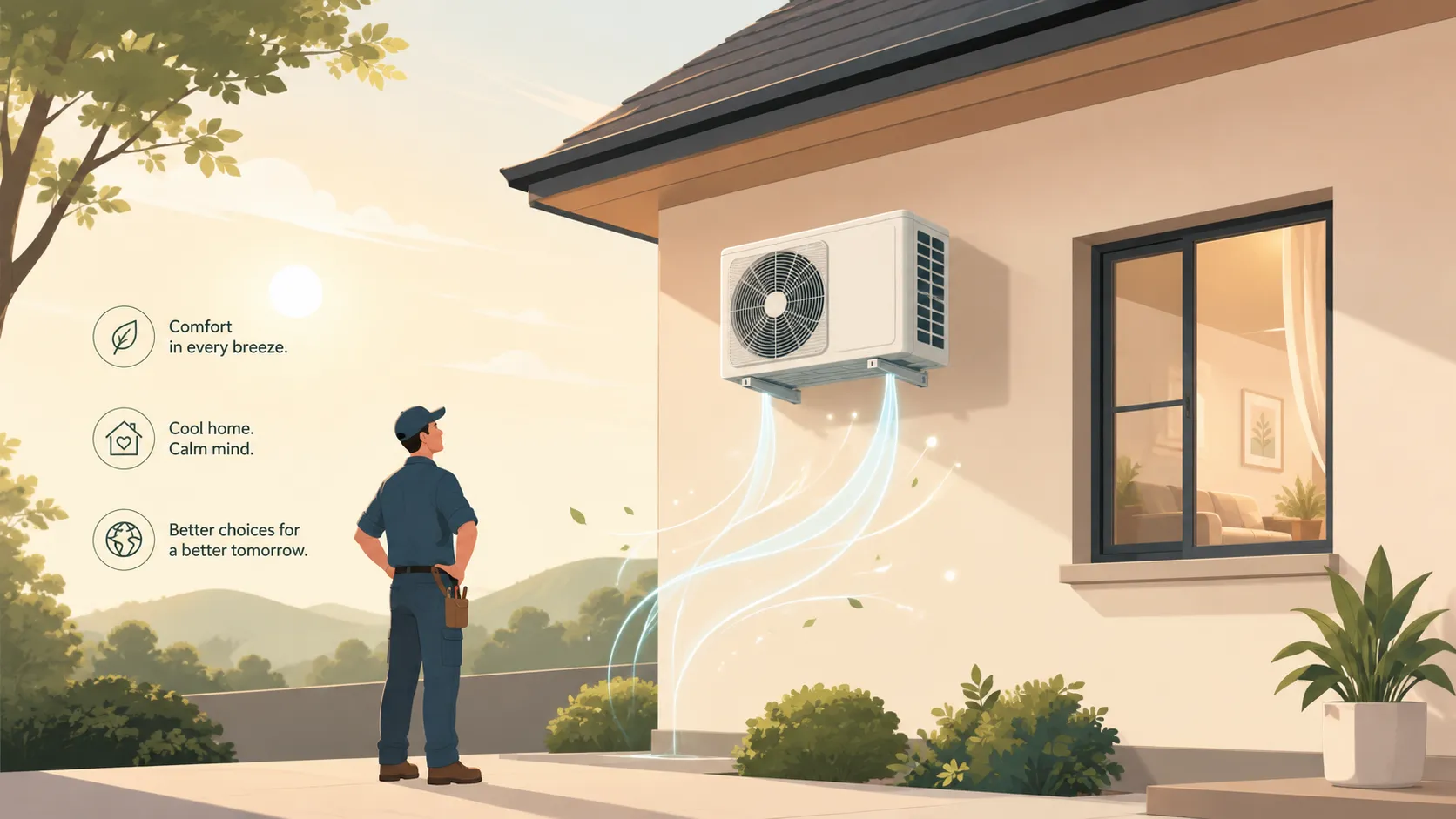
Adding air conditioning to a house used to feel like a luxury reserved for upscale homes or scorching desert climates. Today, it feels closer to a necessity. Summers are getting hotter, humidity is climbing in many regions, and homeowners increasingly want year-round indoor comfort. Whether you live in a newer suburban property or a century-old home without ductwork, installing air conditioning is now one of the most valuable upgrades you can make for comfort, property value, and energy efficiency.
The challenge? Figuring out how much it actually costs. One contractor quotes $5,000 while another says $18,000. Window units look cheap at first glance, but central air promises whole-home comfort. Then there are mini-splits, electrical upgrades, ductwork modifications, financing options, tax incentives, and confusing efficiency ratings like SEER2. It can feel like standing in front of a restaurant menu written in another language.
Recent 2026 pricing reports show that installing central air conditioning typically costs between $4,000 and $15,000, while first-time installations requiring new ductwork often exceed $10,000 to $18,000+ depending on home size and system complexity. The good news is that understanding the major cost factors helps you avoid overpaying and choose the right system for your home instead of buying more cooling power than you actually need.
Why More Homeowners Are Installing Air Conditioning in 2026
There’s a noticeable shift happening in the housing market. Air conditioning is no longer viewed as an optional feature in many parts of the world. Buyers now expect cooled indoor spaces the same way they expect running water or reliable heating. Homes without AC often feel outdated, especially in areas where heat waves are becoming more common and prolonged. Even regions that historically relied on open windows and ceiling fans are seeing rising demand for cooling systems.
Part of this shift comes from climate patterns. Summers are becoming more intense, and homeowners are spending more time indoors working remotely. Nobody wants to sit through a video conference while sweat drips down their back. Comfort expectations have changed dramatically over the past decade. Modern homeowners expect consistent indoor temperatures, quieter systems, and better humidity control. Central air systems and high-efficiency mini-splits now provide that experience while using less electricity than older units.
Air conditioning also impacts property value. Real estate professionals consistently note that homes with updated HVAC systems tend to sell faster and attract stronger offers. Buyers often view a new cooling system as a sign that the property has been properly maintained. Think of it like installing a reliable engine in a car; it doesn’t just make the ride more comfortable, it increases confidence in the entire vehicle.
Industry pricing data from 2026 shows that homeowners are investing heavily in cooling upgrades despite rising labor and equipment costs. Typical central AC installations now average roughly $6,500 to $7,000 nationally, though premium systems and homes requiring ductwork can push costs far higher.
Assessing Your Home’s Cooling Needs
Before comparing brands or chasing contractor quotes, homeowners need to answer one crucial question: what does the house actually need? Buying an oversized system is surprisingly common, and it often creates more problems than solutions. A system that’s too large cools the house too quickly, short-cycles frequently, wastes electricity, and struggles with humidity control. On the other hand, undersized systems run endlessly while failing to maintain comfortable temperatures.
The first factor contractors examine is square footage. Larger homes naturally require more cooling capacity, which is typically measured in tons or BTUs. A small 1,000-square-foot home might only need a 1.5- to 2-ton system, while a larger 3,000-square-foot property may require 5 tons or more. Yet square footage alone never tells the full story. Ceiling height, insulation quality, window placement, and local climate dramatically influence cooling demand.
Sun exposure can completely change how a home behaves thermally. A house shaded by mature trees may remain relatively cool even during peak afternoon heat. Meanwhile, a south-facing home with massive windows can feel like a greenhouse. Poor insulation and air leaks also force HVAC systems to work harder, increasing both installation and operating costs. That’s why reputable contractors perform a proper load calculation instead of simply replacing your old unit with the same size.
Occupancy patterns matter too. Kitchens generate heat. Home offices packed with electronics generate heat. Second-story bedrooms trap heat like attics during summer afternoons. Smart homeowners think about how they actually use their space rather than assuming every room has identical cooling requirements. This approach often leads people toward zoning systems or ductless mini-splits instead of one oversized central unit attempting to cool everything equally.
Comparing Central vs. Window Units
Choosing between central air conditioning and window units is a bit like deciding between a whole-home sound system and portable speakers. Both can technically do the job, but the experience is dramatically different. Your budget, home layout, and long-term plans will determine which path makes the most sense.
Central air conditioning delivers the most seamless cooling experience. Cool air flows through ducts into every room, temperatures remain consistent, and the equipment operates relatively quietly. Modern systems integrate with smart thermostats, zoning technology, and advanced filtration systems. For homeowners planning to stay in their property long term, central AC often provides the best combination of comfort, efficiency, and resale value. Recent estimates place typical central AC installation costs between $5,000 and $15,000, depending heavily on efficiency ratings and ductwork requirements.
Window units sit on the opposite end of the spectrum. They’re affordable, accessible, and simple to install. A decent window unit may cost between $150 and $600, making them attractive for renters or homeowners needing temporary cooling solutions. The downside is obvious once summer arrives. Window units are noisier, block natural light, cool unevenly, and can struggle during extreme heat waves. Multiple window units also consume significant electricity when running constantly throughout the day.
Ductless mini-splits have emerged as a middle-ground option. These systems don’t require traditional ductwork and allow individual room control, which improves efficiency substantially. They’re especially popular in older homes where installing ducts would involve tearing open walls and ceilings. Mini-splits can cost more upfront than window units but often outperform them dramatically in efficiency and comfort.
Here’s a quick comparison:
| System Type | Typical Cost | Best For | Main Advantage | Main Drawback |
|---|---|---|---|---|
| Window Units | $150–$600 each | Small spaces | Low upfront cost | Uneven cooling |
| Central AC | $5,000–$15,000 | Whole-home cooling | Consistent comfort | High installation cost |
| Mini-Splits | $4,000–$10,000+ | Homes without ducts | Zoned efficiency | Visible wall units |
Average Cost to Add Air Conditioning
Homeowners often search for one magic number when asking how much air conditioning costs to install. The reality is that HVAC pricing behaves more like buying a vehicle than purchasing a toaster. Two homes of identical size may receive quotes thousands of dollars apart because the underlying infrastructure differs dramatically.
For homes that already have usable ductwork, installing central air is usually much more affordable. Many 2026 estimates place straightforward replacements between $4,000 and $8,500, with national averages around $6,200 to $7,000. These projects typically involve replacing the outdoor condenser, indoor evaporator coil, refrigerant lines, and thermostat without major structural modifications.
Things become more expensive when homes lack ducts entirely. First-time central air installations requiring full duct systems commonly range from $10,000 to $18,000 or more. Duct installation is labor-intensive and sometimes invasive. Contractors may need to open walls, access crawlspaces, or reroute framing to fit ductwork properly. Older homes often present additional surprises such as outdated wiring, insufficient insulation, or cramped mechanical spaces.
Mini-split systems fall somewhere in the middle. Single-zone systems for one room may cost only a few thousand dollars installed, while whole-home multi-zone systems can rival central air pricing. Their biggest advantage is flexibility. Instead of cooling the entire house constantly, homeowners can cool only occupied rooms. That’s a huge benefit for energy-conscious households.
Window units remain the cheapest path into air conditioning, but the long-term operating costs deserve consideration. Multiple inefficient units running simultaneously can generate surprisingly high electricity bills. Over time, a properly sized high-efficiency central system may actually become more economical despite the higher upfront investment.
Factors That Affect Installation Costs
Air conditioning costs rise and fall based on a surprisingly wide range of variables. Homeowners often focus only on equipment prices, but labor, infrastructure, and installation complexity usually play an equally important role. It’s a little like building a deck; the lumber matters, but the foundation, design, and labor often determine the final bill.
One of the largest factors is system size. HVAC systems are measured in tons, with larger homes requiring greater cooling capacity. According to recent industry data, homeowners typically pay between $2,500 and $5,000 per ton installed, depending on efficiency and equipment quality. Bigger systems naturally cost more, but oversizing creates operational problems and wasted energy.
Ductwork condition also dramatically impacts pricing. Existing ducts may need repairs, sealing, resizing, or complete replacement before a new system can operate efficiently. Leaky ducts reduce efficiency and force the system to work harder. In older homes, contractors sometimes discover asbestos insulation, damaged returns, or poorly designed layouts that require expensive corrections before installation can continue.
Labor costs vary heavily by region. A central air installation in a major metropolitan area typically costs more than the same project in a smaller town because wages, permits, and licensing requirements differ. Seasonal demand matters too. Homeowners shopping during peak summer heat often encounter higher prices and longer wait times. Some contractors report off-season savings of 10–20% during cooler months.
Brand selection influences pricing as well. Premium HVAC brands with inverter-driven compressors, variable-speed technology, and advanced humidity control cost more upfront but usually deliver quieter performance and lower operating costs. Reddit discussions from homeowners and HVAC technicians consistently show enormous price variation depending on system sophistication and contractor reputation.
Energy Efficiency Considerations
Efficiency is where modern air conditioning systems separate themselves from older generations. Years ago, homeowners mostly cared about whether the house became cold. Today, energy consumption matters just as much. Nobody wants a comfortable home paired with a terrifying utility bill every month.
The most important efficiency measurement for modern systems is SEER2, which stands for Seasonal Energy Efficiency Ratio 2. Higher SEER2 ratings indicate greater efficiency. Entry-level systems generally start around 14 SEER2, while premium systems may exceed 20 SEER2. Higher-efficiency equipment costs more initially, but it often reduces long-term electricity expenses substantially.
Energy Star-certified systems typically outperform minimum federal efficiency standards by roughly 10–15%, according to appliance efficiency discussions and industry reports. That might sound minor, but savings accumulate quickly over years of operation. In hot climates where AC systems run daily for months, efficient equipment can shave hundreds of dollars annually off cooling costs.
Smart thermostats further improve efficiency by learning household patterns and reducing unnecessary runtime. Instead of cooling an empty house all afternoon, smart systems automatically adjust temperatures based on occupancy schedules. Some advanced systems even monitor humidity levels and optimize compressor speed dynamically.
Proper sizing remains one of the most overlooked efficiency factors. Homeowners often assume bigger means better, but oversized systems short-cycle constantly. This wastes energy and reduces comfort because the system shuts off before removing enough humidity from indoor air. A properly sized moderate-efficiency system often outperforms an oversized premium model in real-world conditions.
Think of HVAC efficiency like fuel economy in cars. A massive sports SUV might look impressive, but if you only drive through crowded city streets, a balanced efficient vehicle often makes more sense financially and practically.
Planning Ductwork or Electrical Upgrades
Many homeowners focus entirely on the air conditioning unit itself while forgetting the infrastructure supporting it. Yet ductwork and electrical systems often determine whether installation becomes simple or unexpectedly expensive. In older homes especially, the hidden systems behind the walls can completely reshape the project budget.
Ductwork acts like the circulatory system of central air conditioning. Even the best AC unit performs poorly if cooled air leaks before reaching living spaces. Homes without existing ducts require a major installation effort involving vent placement, return air design, airflow balancing, and structural routing. This explains why first-time central AC installations can easily exceed $10,000 to $18,000.
Older homes create unique challenges. Historic houses often lack sufficient wall cavities or attic space for traditional ducts. Contractors may need creative solutions involving soffits, high-velocity systems, or ductless mini-splits. Homeowners who want to preserve architectural character frequently choose mini-splits specifically to avoid tearing apart plaster walls and vintage trim.
Electrical capacity is another critical consideration. Air conditioning systems require dedicated circuits and significant power draw during startup. Many older electrical panels simply weren’t designed for modern cooling systems. If the panel lacks capacity, electricians may need to upgrade breakers, wiring, or even the entire service panel.
Electrical upgrades can add several thousand dollars to an HVAC project depending on complexity. That sounds painful initially, but overloaded electrical systems create serious safety risks. Reliable contractors inspect electrical infrastructure before installation instead of discovering problems halfway through the project.
This is also where permits become important. Legitimate HVAC installations typically require inspections to ensure electrical and mechanical systems meet local code requirements. Skipping permits may save money upfront, but it can create insurance complications and resale headaches later.
Budgeting and Financing Options
The sticker shock of a new air conditioning system catches many homeowners off guard. Spending thousands of dollars on something hidden in the attic or outside beside the house doesn’t feel nearly as exciting as renovating a kitchen or building a backyard patio. Yet cooling systems affect daily quality of life far more directly than many cosmetic upgrades.
Budgeting properly starts with understanding total project scope instead of focusing only on equipment prices. Homeowners should request itemized estimates showing labor, permits, duct modifications, electrical work, thermostat upgrades, and warranty details separately. This makes comparing contractor bids far easier and helps identify suspiciously low quotes hiding incomplete work.
Financing has become increasingly common for HVAC projects. Many contractors partner with lenders offering monthly payment plans, promotional interest rates, or deferred-payment options. For homeowners facing emergency system replacement during peak summer heat, financing spreads costs into manageable payments instead of requiring one massive upfront expense.
Rebates and tax incentives can also soften the financial impact. High-efficiency systems often qualify for federal energy-efficiency tax credits and local utility rebates. Some programs cover a percentage of installation costs or provide fixed rebates for qualifying Energy Star systems. According to recent industry reports, homeowners may receive tax credits covering up to 30% of qualifying high-efficiency system costs, capped at specific limits.
Timing matters too. Installing AC during cooler seasons often reduces costs because contractors experience lower demand. Summer emergency replacements usually come with premium pricing simply because technicians are overwhelmed with service calls.
Homeowners should also think long term instead of focusing purely on upfront expenses. A cheaper inefficient system may cost less today but generate higher utility bills for the next fifteen years. Balancing installation costs with operating efficiency creates the smartest financial outcome over time.
Conclusion
Adding air conditioning to a house is one of the most impactful upgrades a homeowner can make. The right system transforms indoor comfort, improves sleep quality, boosts home value, and creates a far more livable environment during extreme weather. Yet choosing the right setup requires balancing budget, efficiency, infrastructure, and long-term operating costs carefully.
Central air remains the gold standard for whole-home comfort, especially in houses with existing ductwork. Window units continue serving as affordable entry-level cooling solutions, while ductless mini-splits bridge the gap for older homes or targeted zoning needs. Installation costs vary dramatically depending on home size, ductwork condition, electrical capacity, and efficiency goals, with modern central systems typically ranging from $4,000 to well over $15,000 in 2026.
The smartest homeowners approach HVAC projects strategically. They prioritize accurate load calculations, compare multiple quotes carefully, invest in appropriate efficiency levels, and evaluate infrastructure honestly before installation begins. Air conditioning isn’t just about buying cold air; it’s about creating a balanced, efficient, comfortable living environment tailored to the way your household actually lives.
FAQs
1. How much does it cost to add central air to a house without ducts?
Most first-time central air installations requiring new ductwork cost between $10,000 and $18,000+ depending on home size, layout complexity, and labor costs.
2. Are window air conditioners cheaper to run than central AC?
Window units are cheaper upfront, but running multiple units continuously can become expensive. High-efficiency central systems may actually cost less over time for whole-home cooling.
3. What SEER2 rating should homeowners choose?
For most homes, 14–16 SEER2 systems offer the best balance between affordability and efficiency. Premium systems above 18 SEER2 usually make the most sense in very hot climates.
4. Do mini-split systems increase home value?
Yes. Ductless mini-splits are increasingly attractive to buyers, especially in older homes without central ductwork. Their energy efficiency and zoning capabilities are major selling points.
5. Is financing available for HVAC installation?
Most HVAC contractors offer financing programs, monthly payment plans, and promotional interest options. Homeowners may also qualify for utility rebates or federal tax incentives for high-efficiency systems.