
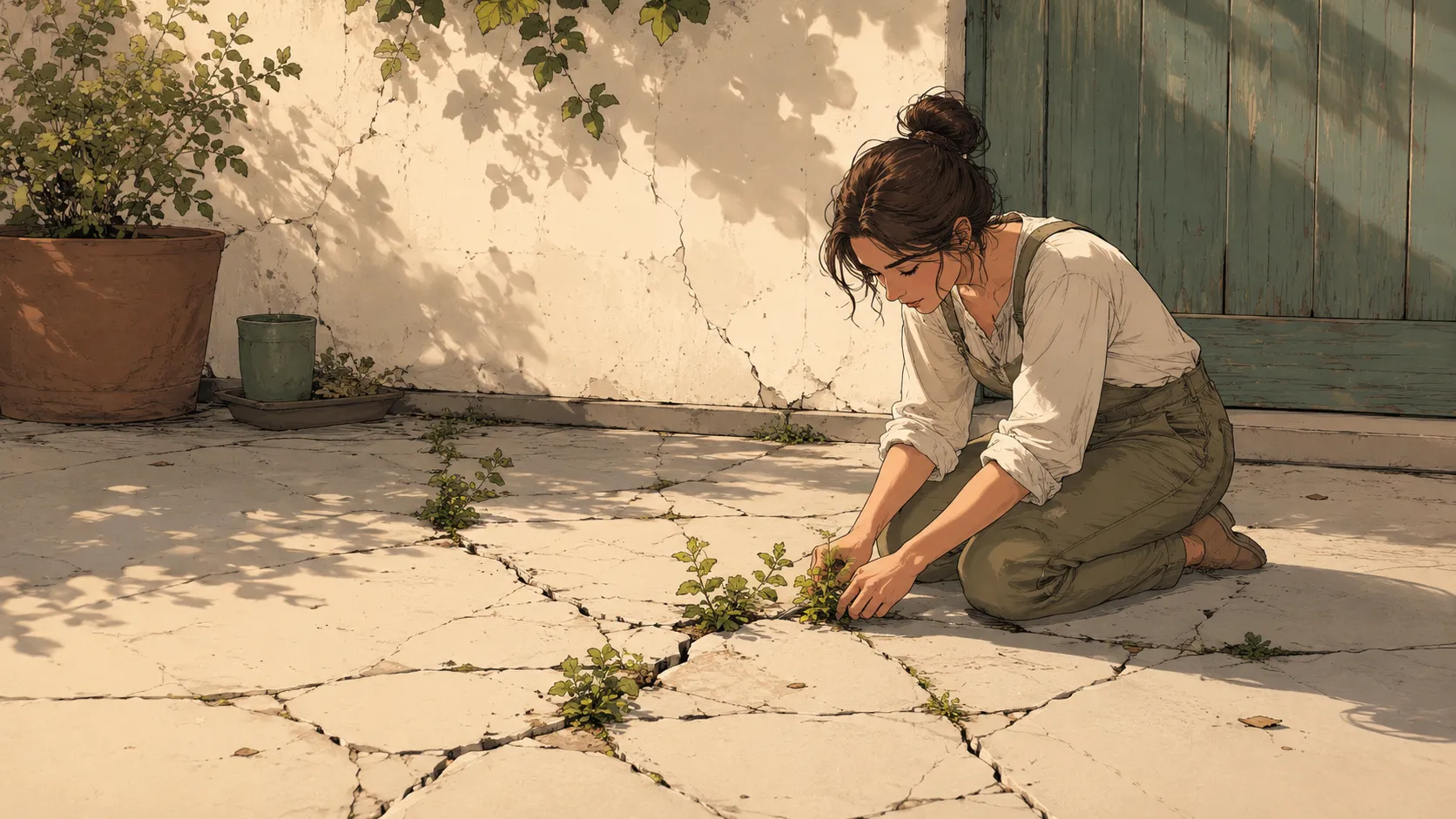
A cracked and uneven concrete patio can turn a relaxing outdoor space into a frustrating safety hazard. One day, your patio looks perfectly fine. The next, you notice hairline cracks stretching like spiderwebs across the surface, or worse, one slab sinking lower than the other. Water starts pooling after rain, patio furniture wobbles, and suddenly your backyard retreat feels more like an obstacle course.
The good news? Most patio damage can be repaired without tearing out the entire slab. Modern repair methods such as polyurethane foam leveling, mudjacking, crack sealing, and resurfacing can restore many patios for a fraction of the cost of replacement. Industry reports in 2026 show that concrete leveling and repair can cost 50–75% less than full slab replacement in many residential cases.
Before grabbing a bag of concrete mix and hoping for the best, you need to understand why the patio cracked and whether the slab is still structurally sound. Think of concrete like the skin of a building. If the “bones” underneath; the soil and support base; shift or weaken, cracks become inevitable. Repairing only the visible surface without fixing the root cause is like painting over rust on a car. It may look better for a while, but the problem keeps spreading underneath.
Understanding Why Concrete Patios Crack
Concrete has a reputation for strength, but it is not indestructible. In fact, contractors often joke that there are only two kinds of concrete: concrete that has cracked and concrete that will crack. That saying may sound dramatic, yet it reflects reality. Even perfectly installed patios experience stress over time due to weather, moisture, shifting soil, and temperature changes.
The biggest mistake homeowners make is assuming every crack means disaster. Some cracks are purely cosmetic, while others signal deeper structural issues beneath the slab. Understanding the difference is the first step toward choosing the right repair strategy. A tiny surface crack caused by curing shrinkage might only need flexible sealant. A sinking patio section with uneven edges could require slab lifting or complete replacement.
Natural Shrinkage Cracks
When concrete cures, water evaporates from the mix and the slab shrinks slightly. This natural movement often creates small, narrow cracks. These are commonly called hairline shrinkage cracks and usually appear within the first year after pouring. They are typically less than 1/8 inch wide and do not affect structural strength.
Shrinkage cracks become more common when control joints are not cut properly during installation. Control joints are intentional weak points designed to guide cracking into straight, less noticeable lines. Without them, concrete chooses its own path, often in unpredictable ways.
Structural and Settlement Cracks
Structural cracks are a completely different story. These cracks are wider, deeper, and often accompanied by vertical movement where one side of the slab sits higher than the other. Settlement cracks usually occur because the soil beneath the patio erodes, compacts unevenly, or becomes saturated with water.
Water is one of concrete’s greatest enemies. Poor drainage allows water to wash away soil beneath the slab, creating hidden voids. Eventually, the unsupported concrete sinks or tilts. Freeze-thaw cycles make the situation worse because trapped water expands when frozen, placing pressure on the slab like an invisible jackhammer.
Diagnosing Different Types of Concrete Cracks
Before repairing your patio, you need to diagnose the type of cracking involved. Treating every crack the same way is like giving every patient the same medicine regardless of symptoms. The repair method must match the underlying problem.
| Crack Type | Appearance | Severity | Recommended Repair |
|---|---|---|---|
| Hairline Crack | Thin surface crack | Low | Flexible crack filler |
| Settlement Crack | Uneven slab edges | Medium to High | Slab leveling |
| Structural Crack | Wide deep crack | High | Professional assessment |
| Frost-Heave Crack | Seasonal movement | Medium | Drainage and leveling |
| Expansion Crack | Near edges/joints | Low to Medium | Sealant and joint repair |
Hairline Cracks
Hairline cracks are usually cosmetic. They often look alarming because they spread across visible areas, but they rarely indicate structural failure. These cracks can be sealed with polyurethane caulk or specialized concrete crack filler to prevent moisture intrusion.
Vertical Displacement Cracks
If one side of the crack sits higher than the other, the slab has likely shifted. This is a major warning sign. Settlement-related movement typically means there is a void beneath the patio. A simple patch job will not solve the problem because the concrete no longer has stable support underneath.
A quick “rocking test” can help identify hidden voids. Step firmly near the crack. If the slab rocks or moves slightly, the support base underneath has weakened.
Expansion and Frost-Heave Cracks
Cold climates introduce another challenge: frost heave. Moisture beneath the slab freezes during winter and expands upward, lifting sections of the patio unevenly. When temperatures rise, the slab settles back down, often leaving cracks behind. Homeowners on Reddit frequently report winter-related patio cracking after freeze-thaw cycles.
Expansion cracks can also occur where the patio meets another structure like a house foundation or retaining wall. Without proper expansion joints, concrete presses against rigid surfaces and fractures under pressure.
Assessing Patio Levelness and Structural Integrity
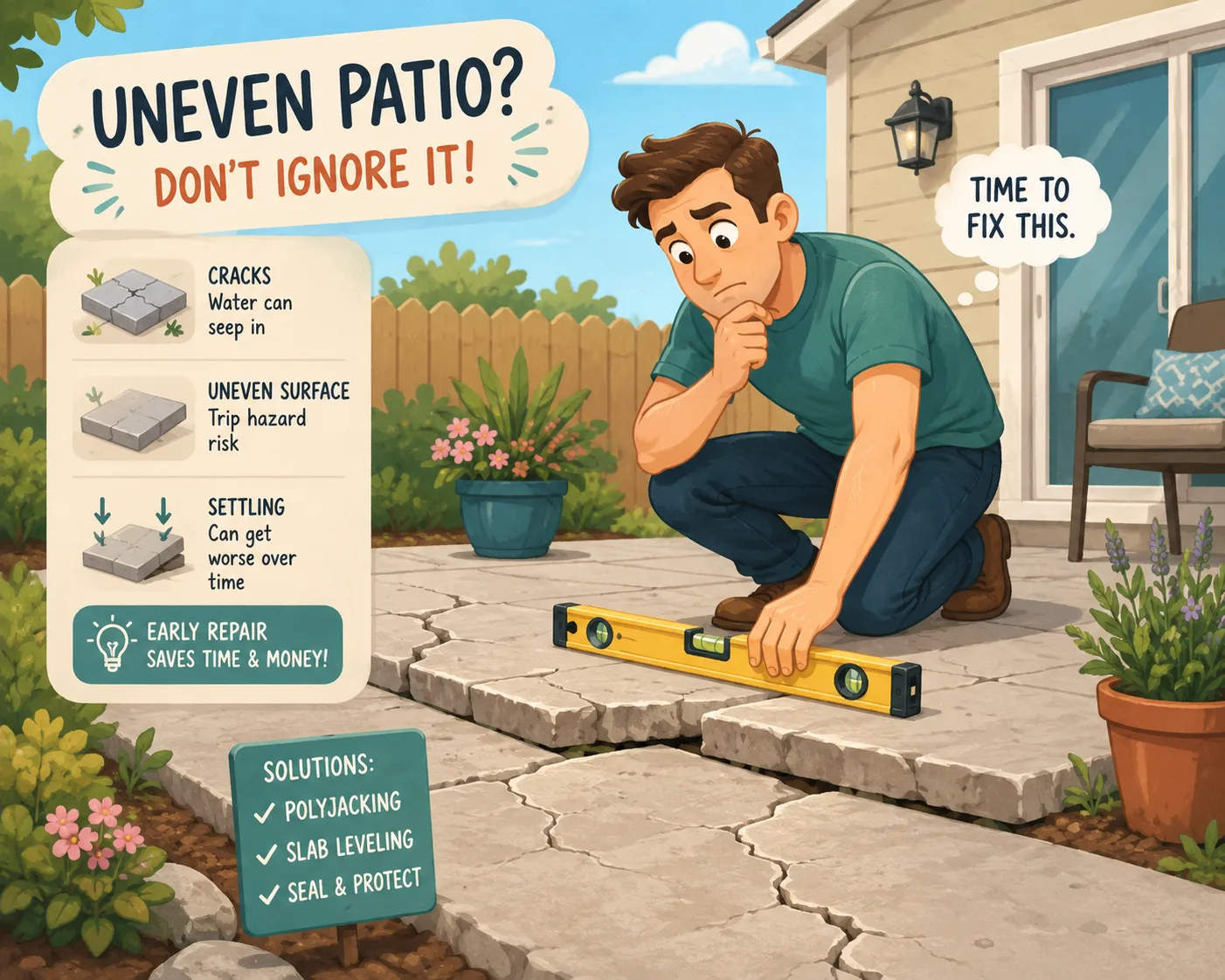
A patio may look cracked but still remain structurally stable. On the other hand, a patio with minimal visible damage could hide major support problems underneath. That is why checking levelness is just as important as examining the cracks themselves.
Start with a long level or laser level. Place it across multiple sections of the patio and identify low spots. Water pooling after rain is another obvious clue that the slab has settled unevenly. Pay close attention to areas near downspouts or landscaping because water runoff commonly erodes supporting soil there.
Signs Your Patio Is Structurally Unsafe
Some warning signs indicate the patio may need professional evaluation instead of simple DIY repair:
- Cracks wider than 1/4 inch
- Multiple intersecting cracks
- Rapid crack growth
- Significant vertical displacement
- Rocking or unstable slabs
- Severe crumbling or spalling
- Drainage issues causing soil washout
These symptoms often point to deeper foundation or subgrade issues rather than surface-level damage.
When Repair Is Better Than Replacement
Many homeowners assume replacement is the only solution once concrete becomes uneven. Surprisingly, modern leveling systems can save patios that appear beyond repair. Industry estimates show slab jacking and foam lifting often cost dramatically less than demolition and replacement.
Repair is usually worthwhile when:
- Settlement is under 4 inches
- Cracks are moderate
- Concrete remains mostly intact
- The slab is not severely crumbling
Replacement becomes more practical when the patio breaks into multiple disconnected sections or suffers extensive structural deterioration.
Essential Materials and Tools Needed
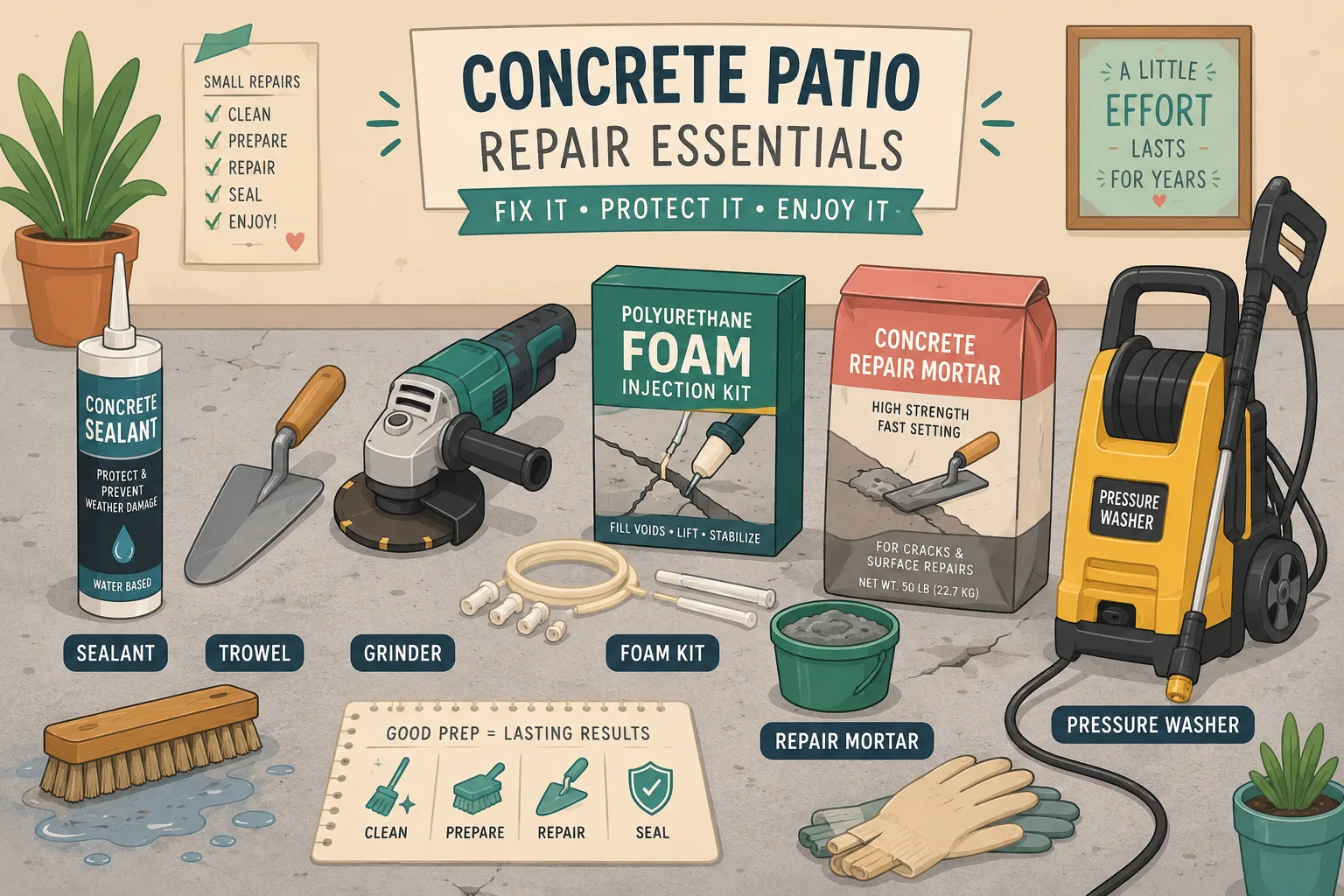
Having the right materials makes concrete repair far easier and more durable. Cheap patch products may look good initially but often fail within a season or two.
Crack Repair Materials
For standard patio repairs, you may need:
- Polyurethane concrete crack sealant
- Epoxy injection kit
- Backer rod
- Concrete bonding adhesive
- Polymer-modified repair mortar
- Concrete resurfacer
- Masonry grinder
- Wire brush
Polyurethane sealants remain flexible during temperature changes, making them ideal for outdoor patios. Epoxy, meanwhile, provides stronger structural bonding for deeper cracks.
Leveling and Lifting Equipment
Leveling a sunken patio often requires specialized tools:
- Hammer drill
- Injection ports
- Mudjacking pump
- Polyurethane foam kit
- Laser level
- Pressure washer
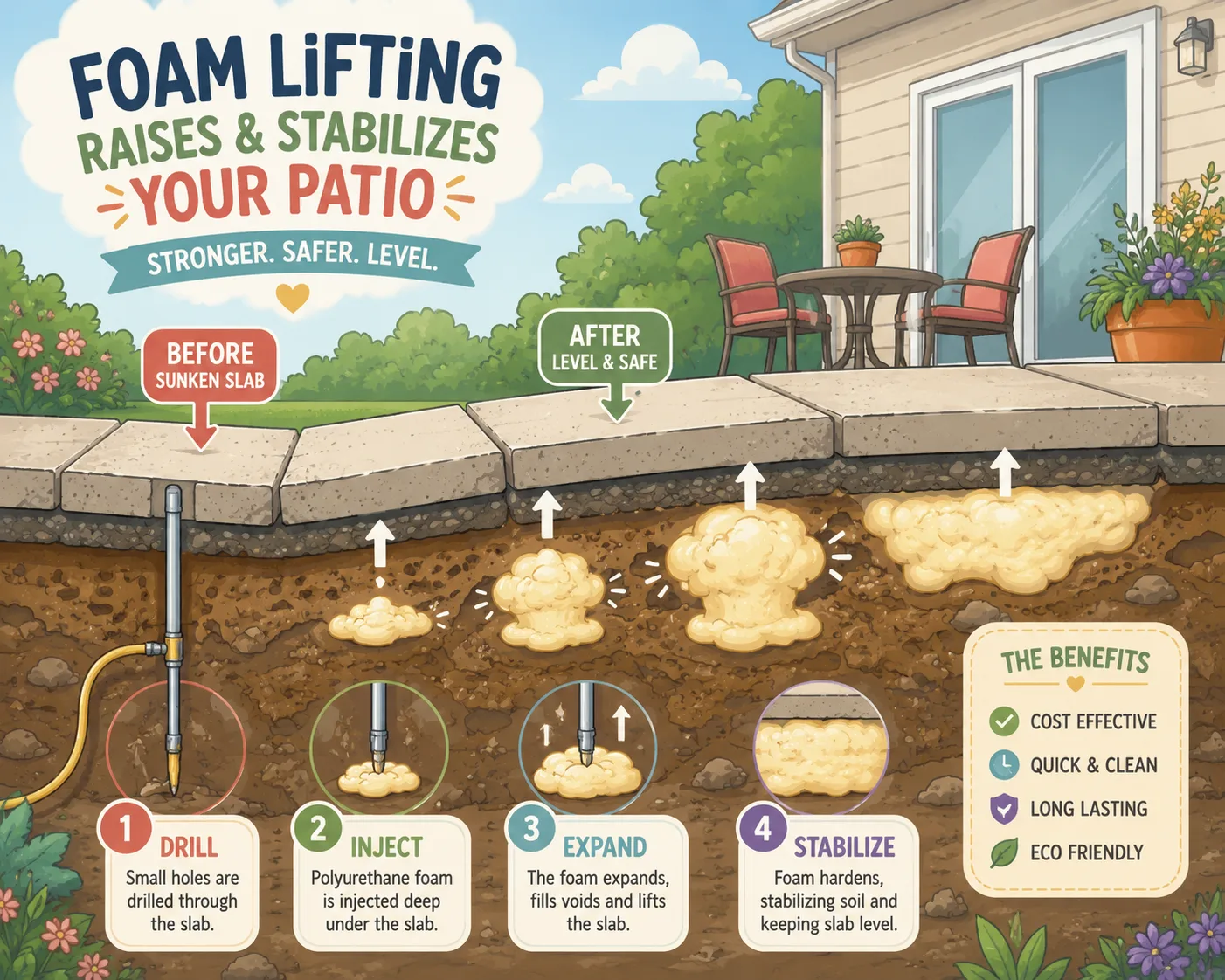
Professional contractors frequently use polyurethane foam injection because it cures rapidly and adds minimal weight beneath the slab. Foam lifting can restore patios within hours in many cases.
Step-by-Step Concrete Patio Repair Techniques
Repairing a patio is not just about filling visible cracks. Effective repair follows a process that addresses cleaning, stabilization, leveling, and long-term protection.
Cleaning and Preparing the Surface
Every successful repair starts with preparation. Dirt, algae, loose debris, and old sealants weaken adhesion. Pressure wash the patio thoroughly and allow it to dry completely. Use a wire brush or grinder to widen narrow cracks slightly so repair materials can bond properly.
This stage may seem boring, but it is crucial. Skipping preparation is like trying to paint over greasy walls. Even premium repair products fail when applied to contaminated surfaces.
Repairing Hairline and Moderate Cracks
For small cracks, flexible polyurethane sealant works well because it expands and contracts with temperature changes. Insert backer rod into deeper cracks before applying sealant. This prevents excessive product use and improves flexibility.
Apply sealant evenly with a caulking gun and smooth the surface using a putty knife. Allow the repair to cure fully before exposing it to moisture.
Patching Large Cracks and Missing Sections
Larger cracks or chipped edges require patching compounds rather than simple sealants. Polymer-modified repair mortars bond strongly to old concrete and resist shrinking during curing.
For deep repairs:
- Remove loose concrete fragments
- Apply bonding adhesive
- Fill the damaged area gradually
- Smooth the surface with a trowel
- Allow sufficient curing time
The key is patience. Rushing repairs often traps moisture inside the patch, leading to premature failure.
Leveling Uneven Patio Slabs
Uneven slabs require lifting rather than patching. Two primary methods dominate the industry today: mudjacking and polyurethane foam injection.
Mudjacking Method
Mudjacking involves drilling holes into the slab and pumping a cement slurry underneath to raise the patio. This method has existed since the 1930s and remains popular due to lower cost.
6
Mudjacking works best when:
- Soil remains relatively stable
- Settlement is moderate
- Budget is limited
The downside is weight. Cement slurry is heavy and may contribute to future settlement if underlying soil remains weak.
Polyurethane Foam Injection
Foam injection has gained massive popularity because the material is lightweight, waterproof, and fast-curing. Contractors drill small holes and inject expanding foam beneath the slab. The foam fills voids and gently lifts the patio back into position.
Advantages include:
- Same-day usability
- Minimal drilling
- Lightweight support
- Better moisture resistance
Still, foam injection must be performed carefully. Improper pressure can create new cracks or even damage nearby structures.
Resurfacing Damaged Concrete
If the patio surface is rough, stained, or lightly spalled, resurfacing can dramatically improve appearance. Concrete resurfacer acts like a fresh skin over existing concrete.
Apply resurfacer only after cracks and leveling issues are fixed. Otherwise, the new surface may crack quickly as underlying movement continues.
Preventing Future Patio Damage
Repairing concrete without prevention is like fixing a leaky roof while leaving the hole open to the rain. Long-term durability depends heavily on controlling moisture and soil movement.
Improving Drainage Around the Patio
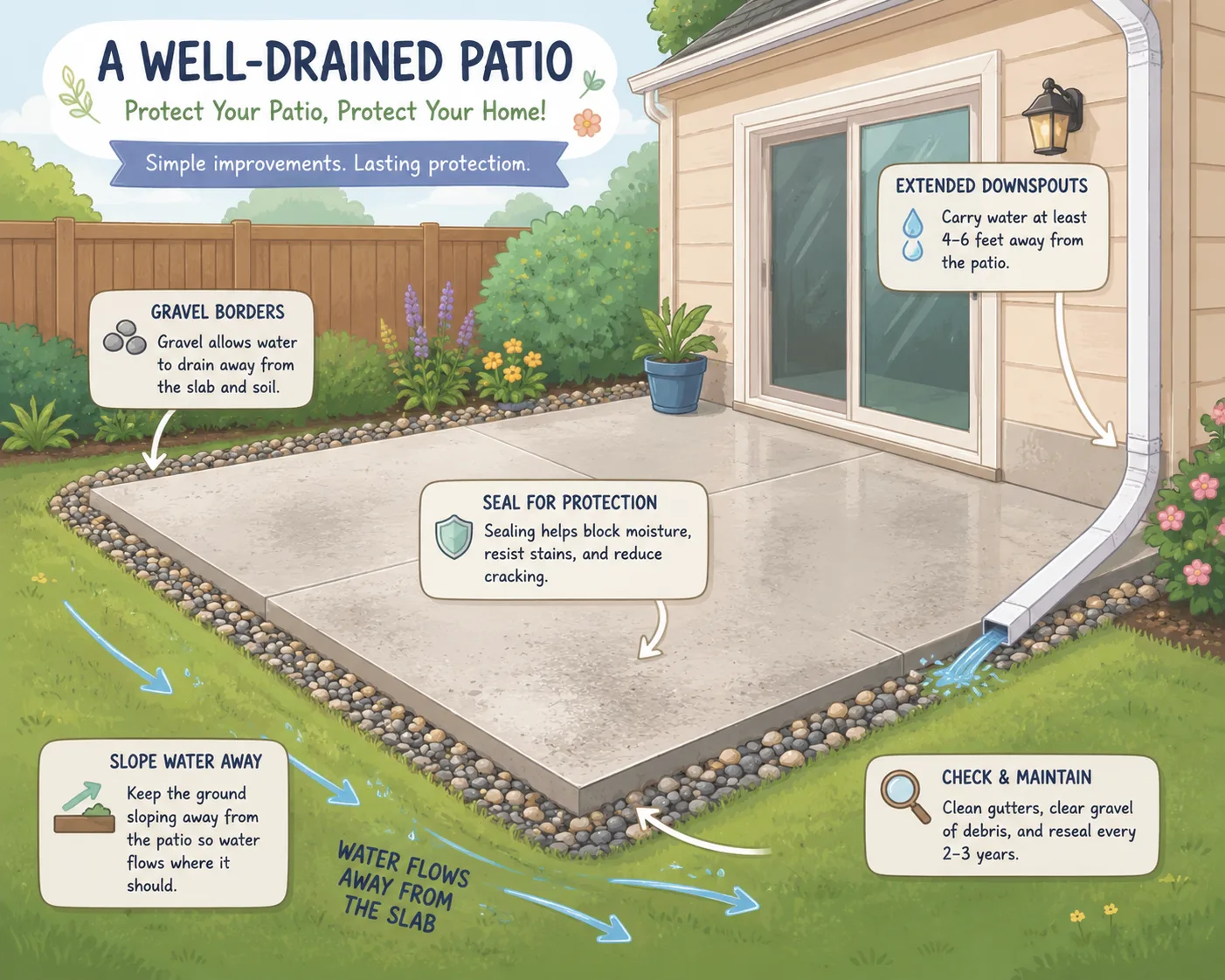
Water causes most patio settlement problems. Experts estimate poor drainage contributes to over 80% of residential slab settlement cases.
Key drainage improvements include:
- Extending downspouts at least 4 feet
- Maintaining proper yard grading
- Installing gravel borders
- Preventing sprinkler overspray
- Filling erosion-prone gaps
A properly sloped patio should direct water away from the home rather than allowing puddles to form.
Sealing and Seasonal Maintenance
Concrete sealer acts like sunscreen for your patio. It reduces water penetration, protects against freeze-thaw damage, and minimizes staining.
Reseal patios every 2–3 years depending on climate exposure. Inspect cracks annually and repair them early before water enlarges the damage.
DIY vs Hiring a Professional
DIY concrete repair works well for cosmetic cracking and minor patch jobs. Basic crack filling and resurfacing are manageable for most homeowners with patience and the right materials.
Professional help becomes necessary when:
- The slab has major settlement
- Structural cracks are present
- Specialized leveling equipment is required
- Nearby foundations could be affected
A poorly executed repair can actually worsen the problem. Reddit discussions frequently highlight cases where improper slab lifting led to additional cracking or movement.
Hiring a qualified contractor also provides access to warranties and professional-grade materials. Always request multiple quotes and verify that the contractor addresses underlying voids rather than simply lifting the slab temporarily.
Cost Breakdown for Concrete Patio Repairs
Concrete repair costs vary dramatically depending on severity and repair method.
| Repair Type | Average DIY Cost | Average Professional Cost |
|---|---|---|
| Crack Filling | $5–$50 | $150–$800 |
| Patching | $20–$100 | $300–$1,000 |
| Resurfacing | $100–$400 | $3–$10 per sq ft |
| Mudjacking | Rare DIY | $500–$3,000 |
| Foam Leveling | Rare DIY | $800–$5,000 |
| Full Replacement | Not Practical DIY | $6–$15 per sq ft |
Although replacement sounds expensive, it sometimes becomes the smartest long-term investment when the slab is severely deteriorated.
Conclusion
A cracked uneven concrete patio does not automatically mean your outdoor space is ruined. In many cases, strategic repairs can restore both safety and appearance without the massive expense of full replacement. The secret lies in accurate diagnosis. Hairline shrinkage cracks need completely different treatment than settlement-related structural movement.
Modern solutions like polyurethane foam leveling and mudjacking have transformed the concrete repair industry. Homeowners now have options that are faster, less invasive, and far more affordable than tearing out entire slabs. Still, no repair lasts long if the underlying cause; usually water and soil instability; is ignored.
Think of your patio as a system rather than a single slab of concrete. Drainage, soil support, expansion joints, sealing, and maintenance all work together like pieces of a puzzle. When one piece fails, cracks eventually follow. By addressing both the visible damage and the hidden causes underneath, you can extend your patio’s lifespan for many years while keeping your outdoor space safe, level, and attractive.
FAQs
1. Can I repair a cracked concrete patio myself?
Yes, small hairline cracks and surface damage are usually DIY-friendly. Larger structural cracks or uneven slabs often require professional leveling equipment and expertise.
2. What causes concrete patios to sink unevenly?
The most common causes are soil erosion, poor compaction, water drainage issues, and freeze-thaw cycles that create voids beneath the slab.
3. Is foam leveling better than mudjacking?
Foam leveling is lighter, faster-curing, and more moisture-resistant. Mudjacking is generally cheaper but heavier and slower to cure.
4. How long do concrete patio repairs last?
Properly executed repairs can last 10–15 years or longer, especially when combined with good drainage and regular sealing maintenance.
5. When should I replace instead of repair my patio?
Replacement is usually necessary when the slab is severely crumbling, broken into multiple pieces, or suffering major structural failure that leveling cannot safely correct.